-
Cities After Paris: The Role of Subnational Actors in Achieving International Goals
›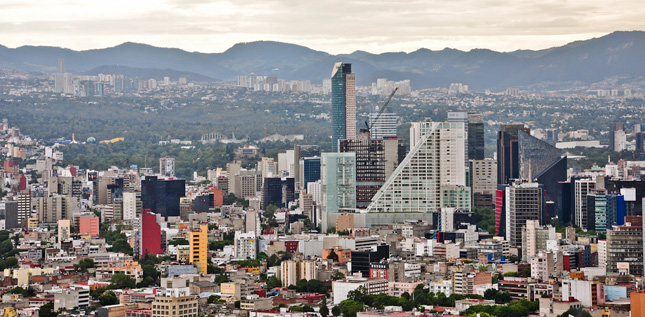
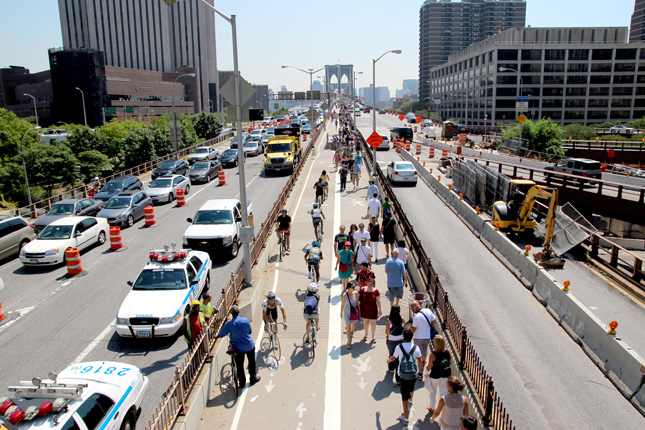
As the climate changes, cities will suffer. “These are important places that have a lot of people, property, and local economies that are going to struggle,” said Jessica Grannis, the adaptation program manager at Georgetown’s Climate Center, at a recent Wilson Center event on the role of subnational decision-makers in achieving international goals. “The good news is that, here in the United States, many cities are recognizing these threats to their people and populations, and they’re beginning to take action,” said Grannis.
-
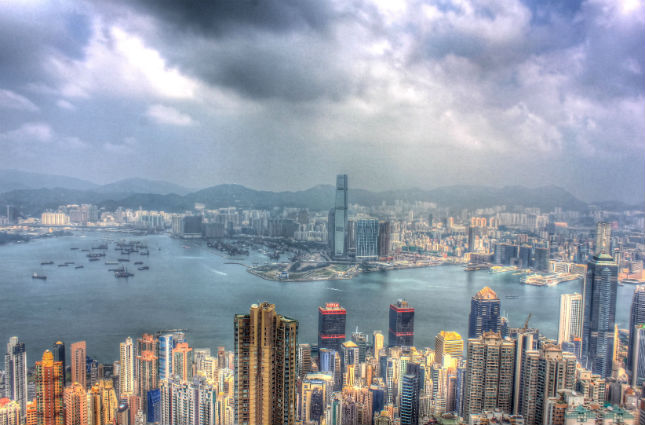
One Country, Two Water Systems: The Need for Cross-Boundary Water Management in Hong Kong and Guangdong
›
In 2011, a group of Hong Kong water activists and researchers traveled the length of the Dongjiang (East) River, which stretches from northeast Guangdong Province into Hong Kong’s New Territories, to investigate the challenges facing the watershed. The Dongjiang basin, which provides nearly 80 percent of Hong Kong’s water supply, has suffered water shortages due to the region’s increasing urbanization and industrialization. They found unchecked wastewater discharges—from agriculture, poultry farms, chemical plants, tanneries, and even an open-air quartz quarry—were dangerously degrading water quality.
-
Sustainable Infrastructure: Building Resilience in a Changing World
›The United States currently faces an infrastructure crisis, as well as a growing climate crisis. Taking a sustainable approach to infrastructure could help address both problems, argued participants in a recent webinar conducted by the National Council for Science and the Environment, in partnership with the Security & Sustainability Forum.
-
Managing Sludge Mountains: What Beijing Can Learn From Brooklyn
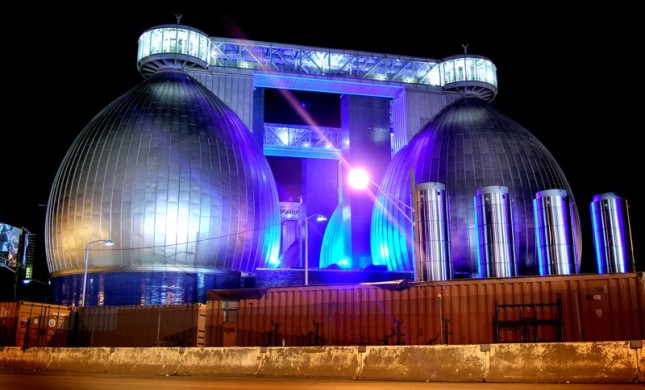
›Chinese cities are being encircled by untreated sludge—a pungent, viscous mixture of human excreta and stormwater runoff. Four years ago in Beijing, trucks loaded with untreated sludge from the city’s largest wastewater treatment plant were illegally dumping mountains of sludge in the outskirts of the capital as “free fertilizer” for peri-urban farms. Similarly, in the southern China city of Guangzhou, disposing toxic sludge into the nearby river required nothing more than a hired boat. From the far western desert city of Urumqi to the eastern metropolis of Shanghai, more and more of China’s cities are struggling to manage mountains of sludge and municipal waste, as well as floods of wastewater and stormwater runoff.
-
Meeting the Maternal and Newborn Needs of Displaced Persons in Urban Settings
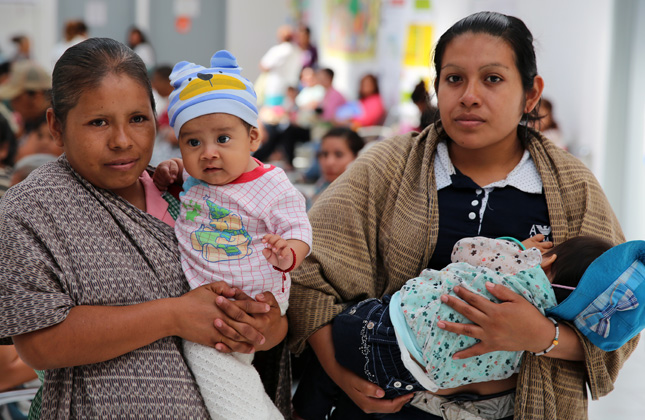
›More than 60 percent of the world’s refugees and 80 percent of internally displaced persons (IDPs) now live in urban areas. In contrast to traditional refugee camps, which have mainly been in rural areas, cities and other urban settings can offer refugees greater economic opportunities, a degree of anonymity, and better access to services—at least in theory, said Mary Nell Wegner, executive director of the Maternal Health Task Force, at the Wilson Center on May 31. However, in practice, the urban advantage may be a myth, as local systems, already strained by growing populations, are not well equipped to handle a large influx of people with complex needs.
-
David Reed, World Wildlife Fund-US
U.S. National Security and Prosperity Under Rising Pressure From Water Stress
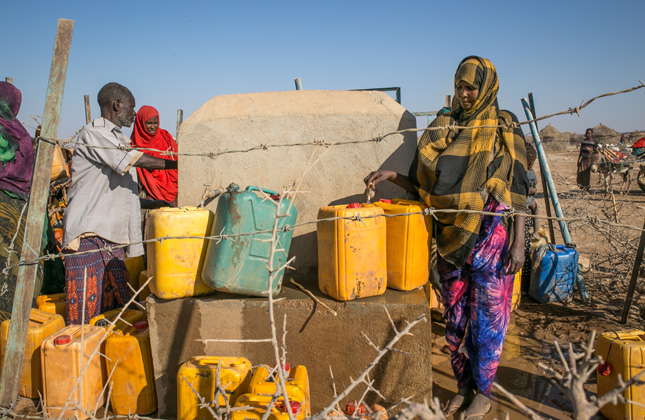
›U.S. prosperity and national security depend directly on the prosperity and stability of our partner countries and competing countries around the world. Today, water-driven stresses are, with increasing frequency, undermining economic productivity, weakening governance systems, and fraying social cohesion. Water scarcity has created a context of human and societal need wherein water stress has undermined the vitality of rural livelihoods, driven broad migratory movements, become a weapon of war, contributed to the growth of insurgencies and terrorist networks, and given rise to increased demand for U.S. development, humanitarian, and military assistance.
-
Climate, Conflict, and Refugees: Examining the Impact of Environmental Change on Human Security
›“There’s a long list of crises that can have a natural resource base,” said Anne C. Richard, former assistant secretary of state for population, refugees, and migration, at a Stimson Center panel on June 13, 2017, on the impacts of climate change on human security and mobility. The panelists included Kelly McFarland of Georgetown’s Institute for the Study of Diplomacy (ISD), Rod Schoonover of the National Intelligence Council, and Sally Yozell, director of Stimson’s Environmental Security Program.
-
No Room for Waste: Honolulu’s Sludge Plant Points Toward More Sustainable Urban Development
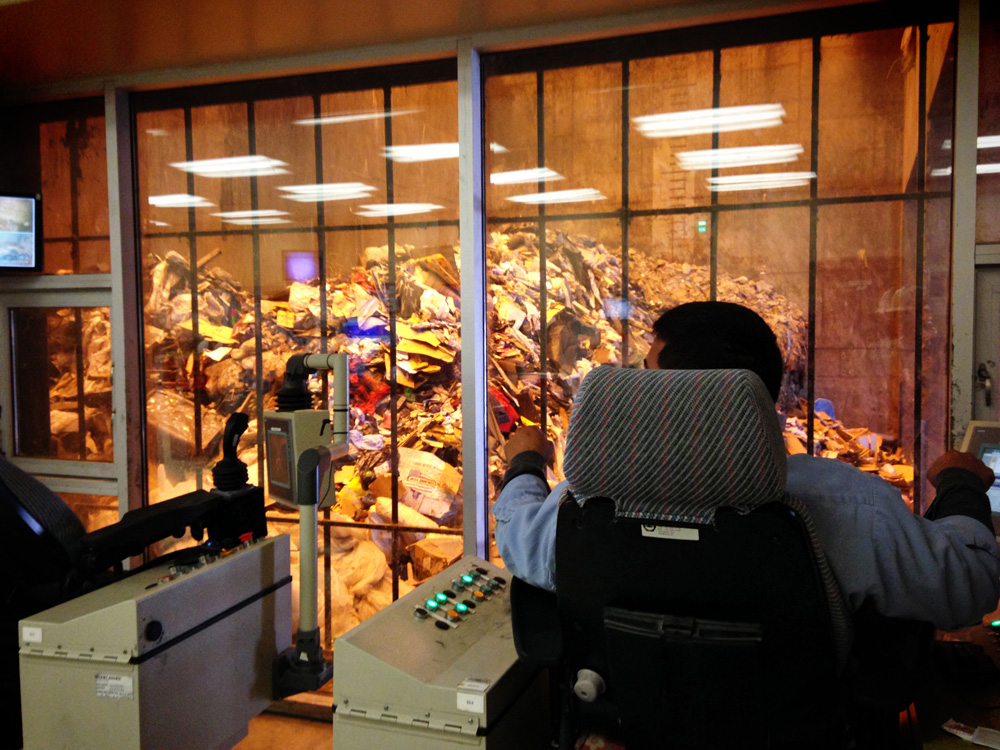
›HONOLULU – Sludge. The final, unwanted byproduct of a toilet flush. The semi-solid stuff that even wastewater treatment plants send packing to the landfill. Unseen in the steel pipes snaking high on the exterior of Honolulu’s H-POWER plant, sludge is injected into a massive boiler where it joins the city’s trash in a roaring inferno. From the gravel lot outside, it all seems very antiseptic and smells less than a stroll past the neighborhood dumpster. But the 70-megawatt waste-to-energy facility is a workhorse, processing as much as 2,000 tons of refuse each day from Oahu’s 1 million residents. All told, it generates up to 10 percent of the electricity needed to power this Pacific island.
Showing posts from category urbanization.