-
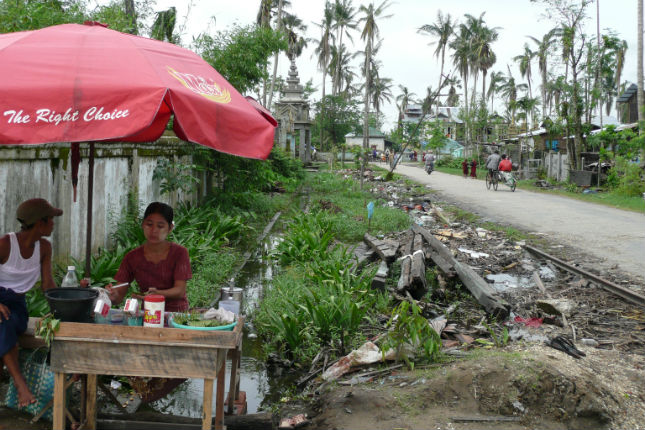
Urban Risk or Resilience? Opportunities for Improving Informal Settlements in Urban Africa
›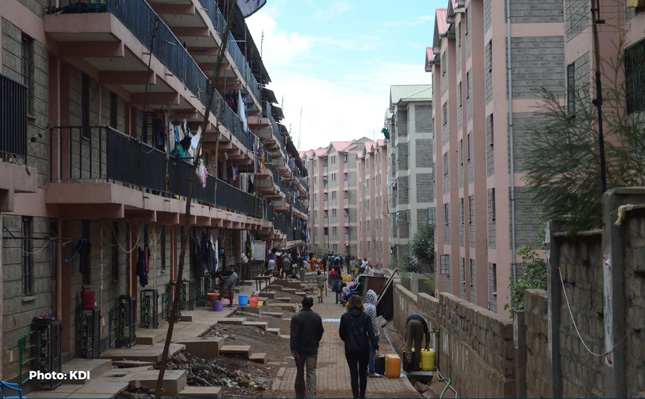
“Most risk in African cities is not catastrophic. It’s not even episodic, but it is every day,” said Mark Pelling, a professor at King’s College, London, at a recent event on urban risk and resilience in sub-Saharan Africa. With rates of rural-to-urban migration reaching record highs, more than half of the urban residents in sub-Saharan Africa live in informal settlements, where they lack basic infrastructure and access to critical resources. Integrated projects like Pelling’s Urban ARK seek to build more resilient communities in cities and informal settlements. “African cities are dynamic and are growing,” said Pelling—but so is the vulnerability of their residents to environmental change, natural disasters, and conflict.
-
Managing Sludge Mountains: What Beijing Can Learn From Brazil
›
Just days before the 2016 Summer Olympics began in Rio de Janeiro, the Brazilian city faced an unsavory problem: how to handle its overwhelming sewage. Nearly half of Rio’s municipal wastewater flowed untreated into Guanabara Bay, where the waters were so polluted by sludge that direct contact was deemed a health hazard to Olympic athletes.
-
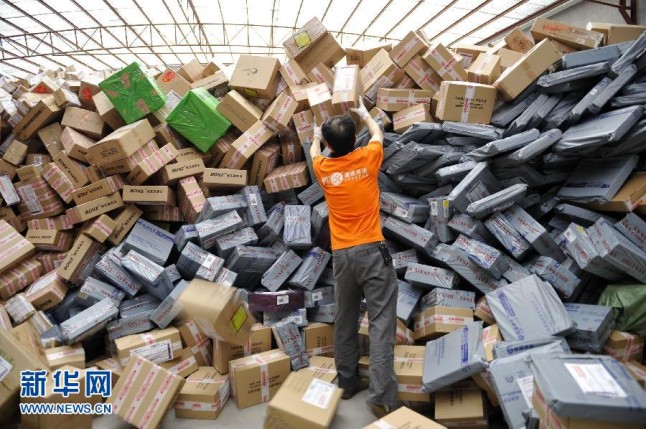
Hot Times: Waste-to-Energy Plants Burn Bright in China’s Cities
›$1 billion sales in two minutes. More than 250,000 purchases every second. Singles’ Day, China’s annual retailing extravaganza, absolutely crushes Black Friday: E-commerce giant Alibaba raked in $17.8 billion in gross sales during last year’s event, more than double the combined total of $6.8 billion in sales during the United States’ 2016 holiday shopping kick-off. The shopping spree lasts only 24 hours, but its environmental impacts will extend for decades.
-
From Disaster Risk Reduction to Sustainable Peace: Reducing Vulnerability and Preventing Conflict at the Local Level
›The summer of 2017 was a stark reminder that climate change exacerbates both the intensity and frequency of natural disasters—and that the most vulnerable people are most severely affected. A recent study shows that from 2004-2014, 58 percent of disaster deaths and 34 percent of people affected by disasters were in the most fragile countries, as measured by the Fragile States Index. Disasters in these countries receive considerably less media coverage than the recent hurricanes that hit the United States. This lack of attention also leads many policymakers to overlook a possible opportunity: By working together to reduce fragility and vulnerability, could we not only better prepare for disaster, but also help prevent conflict? We have the policy tools to take an integrated approach to climate, conflict, and disaster—but we need the political will to use them.
-
Top 5 Posts for October 2017
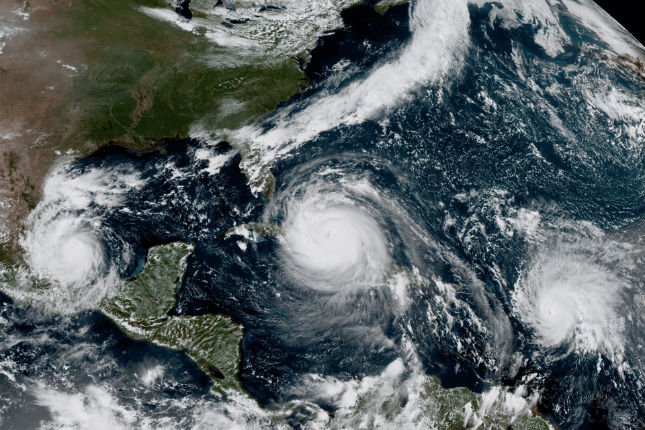
›Hurricanes Irma and Maria devastated Puerto Rico, leaving many on the island without power, drinking water, or cellular service. Such disasters are not just an issue for the Caribbean, said the Wilson Center’s Roger-Mark De Souza in an interview with WOUB that was last month’s most read story on New Security Beat. All coastal areas of the United States, with their growing populations and vulnerable but valuable infrastructure, should be prepared to face more severe climate-related natural disasters.
-
Cities at COP-23: Q&A With WRI’s Ani Dasgupta
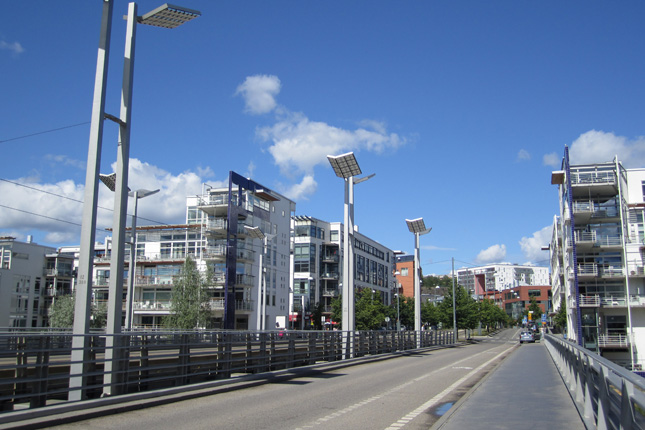
›To meet the climate challenge, city leaders are committing to ambitious emissions targets, designing decentralized action plans, and sharing lessons in transnational networks. Since growing cities are a large source of global emissions, their efforts could contribute substantially to global climate objectives. As the world’s climate experts gather next week in Bonn, Germany, for the 23rd Conference of the Parties (COP-23), urban initiatives will be a key focal point of the agenda-setting conversation.
-
An Unholy Trinity: Xinjiang’s Unhealthy Relationship With Coal, Water, and the Quest for Development
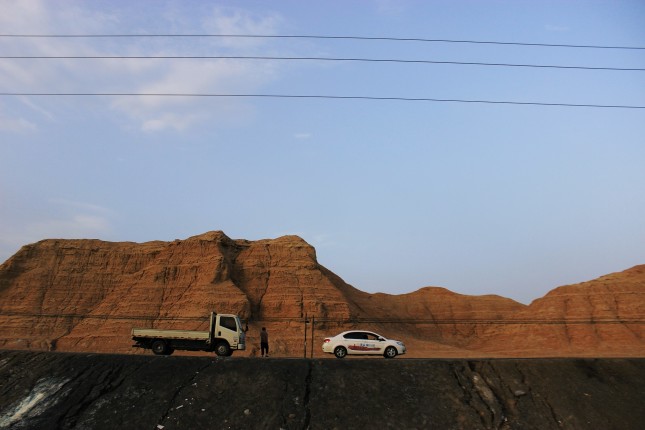
›Sitting shotgun in a beat-up vehicle en route to Tashkorgan a small town in the western Chinese province of Xinjiang, I soaked in the magnificence—or what I could see through the dust-coated windshield. The unpaved and rocky road, which carves through the precipitous Karakorum pass, will be (when finished) a key link in China’s “One Belt One Road” plan to connect China to Pakistan. China’s ambitious plans for westward expansion will demand an almost inconceivably enormous amount of energy and resources, and water-scarce Xinjiang will play a central role. With plans like these, how can China meet its water needs?
-
Fire Warning: From India to California, Change Fuels the Flames
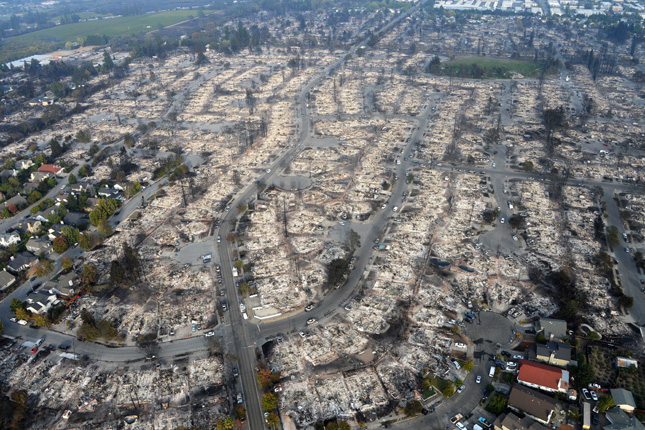
›October 31, 2017 // By Arundhati PonnapaEarlier this month, more than 40 people perished and 20,000 people were ordered to evacuate as Northern California faced some of its deadliest fires in decades. Potentially fueled by climate change, these fires—only the only the latest in a string of fires to strike the state—will reshape landscapes and lives, as I know well from personal experience on the other side of the world.
Showing posts from category urbanization.