-
Rush Hour: Three Commutes, Three Stories
›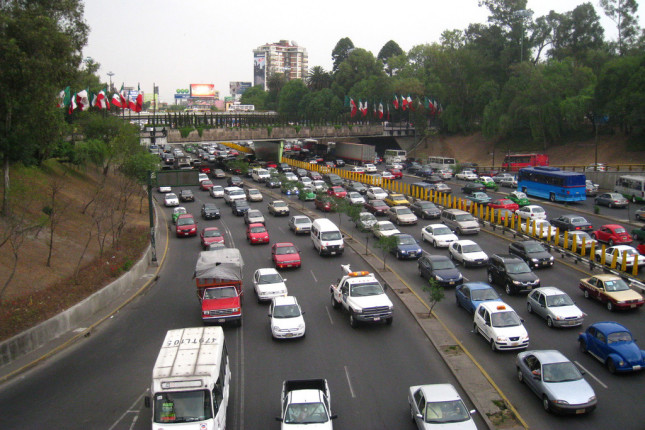
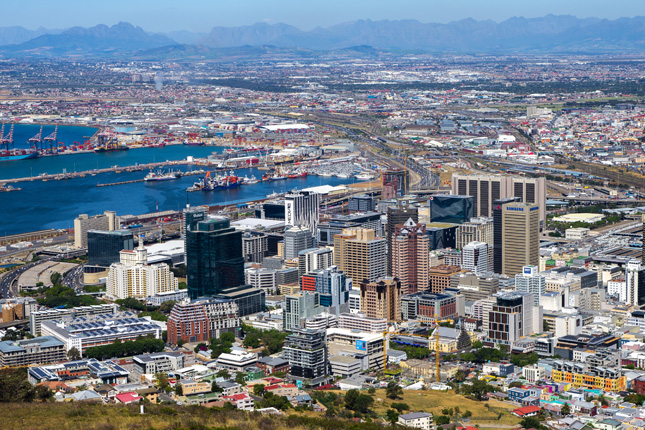
“The idea to make this film came from a very personal place,” said filmmaker Luciana Kaplan at a recent Wilson Center screening of her documentary Rush Hour, recalling how a woman who worked for her spent six hours a day on public transportation. “I have to make a film about this,” she said she told herself, “because this is a silent enemy that is attacking all of us in big cities.”
-
China’s Waste Import Ban: Dumpster Fire or Opportunity for Change?
›
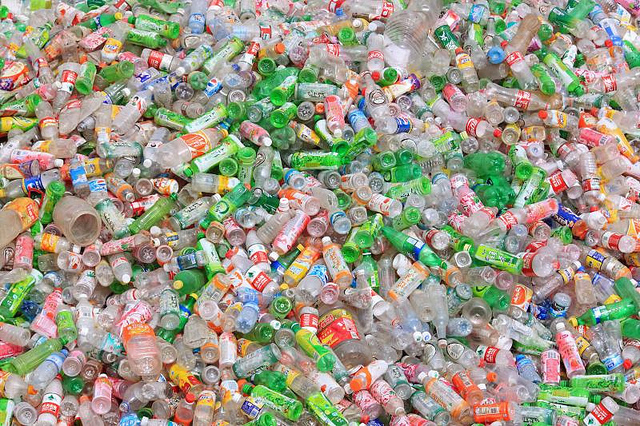
In early January of this year, China’s “National Sword” policy banned imports of non-industrial plastic waste. The ban forces exporting countries to find new dumping grounds for their waste, which is estimated to total nearly 111 million metric tons by 2030. China’s decision has exposed deep structural flaws and interdependencies in the global waste management system. Western countries that have long depended on China to take their garbage are now struggling to deal with mounds of plastic trash, while China lacks the low-priced labor needed to effectively sort and process waste.
-
Mapping Refugees and Urban Job Opportunities
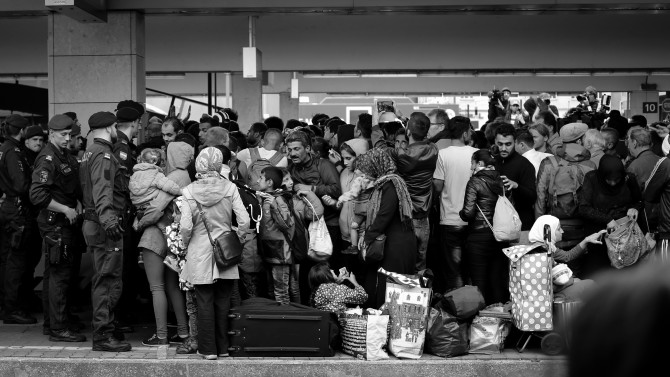
›Although most of us picture refugees living in remote, dusty camps, as many as 2.1 million of the developing world’s working-age refugees reside in major urban areas—where they should have greater access to employment opportunities. However, according to a new report from the Center for Global Development, finding employment remains “one of the major unmet needs identified by refugees.”
-
Avoiding a Water Crisis: What’s Next for Cape Town — and Beyond?
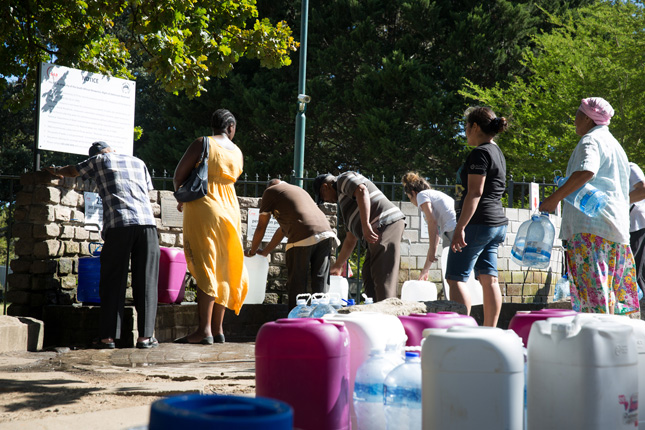
›Intense drought in South Africa’s Western Cape Province has led the world-renowned city of Cape Town to the brink of “Day Zero”—the date at which residents would be forced to collect strictly rationed water supplies from shared distribution taps. Water conservation efforts have so far prevented a massive water shutdown, but the city’s rapid population growth and reliance on surface water dams makes it particularly vulnerable to lower precipitation levels.
-
“Journalist on Water Beat Helped Cape Town Avoid ‘Day Zero’”
›Saya Pierce-Jones got a cactus for Valentine’s Day and she keeps a bottle of treated wastewater on her desk. These are the souvenirs Pierce-Jones has kept as the water reporter for Cape Town’s Smile 90.4 FM over the past year.
-
Ten Years, Nine Floods: Local-Level Climate Adaptation in China
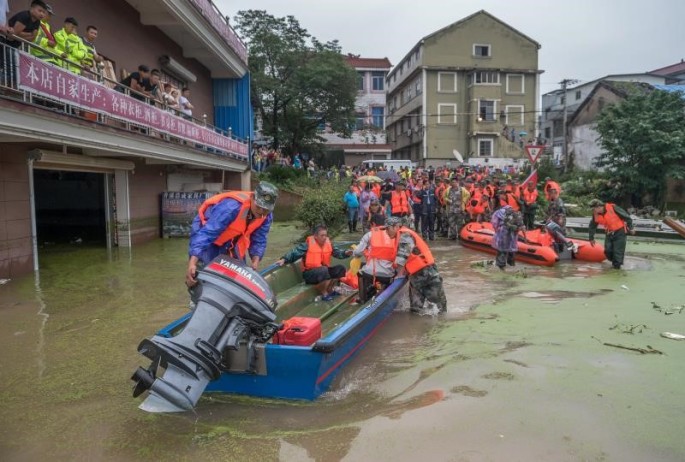
›The Lanjiang river in Eastern Zhejiang, China, reached its peak water level of 100 feet the night of June 25, 2017. Lanxi residents remember this day as “6.25,” marking the worst flood since 1955. Elsewhere in China that month, 7.3 million people were affected by floods, landslides, and heavy rains in northwestern Sichuan Province alone. Northern Guangxi suffered direct economic losses of 2.9 billion RMB (US$460 million). In the autonomous regions, 92,000 people were relocated. Flash floods caused the deaths of 10 people and forced 76,800 people to evacuate from Shanxi Province.
-
China’s Green Bonds Finance Climate Resilience
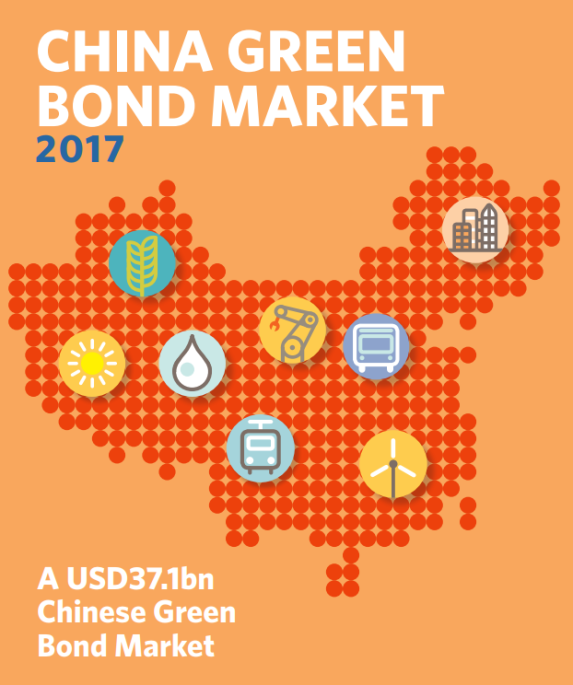
›In 2014, we met with some of the technical leads of a major Chinese river basin authority in Beijing and asked them whether they were more worried about pollution or climate change impacts. Both, the engineers replied. Pollution affects us every day, they said, but changes in the climate erode our ability to supply drinking and irrigation water, manage floods, and generate electricity.
China must address its environmental and climate change challenges, such as reducing water pollution and building resilience to droughts, floods, and long-term climate shifts. But existing sources of finance have not met the growing demand for environmental projects.
-
The Next “Day Zero”: Water Scarcity and Political Instability Beyond Cape Town
›Cape Town is running dry. But thanks to its sophisticated water management efforts, the city may ride out the crisis. However, other cities that lack these capacities are less likely to survive Day Zero. Especially in developing countries, where urban water services are often provided by informal or illegal actors, running out of water could have dangerous ripple effects for peace and security.
Showing posts from category urbanization.