-
Feeding Unrest: A Closer Look at the Relationship Between Food Prices and Sociopolitical Conflict
›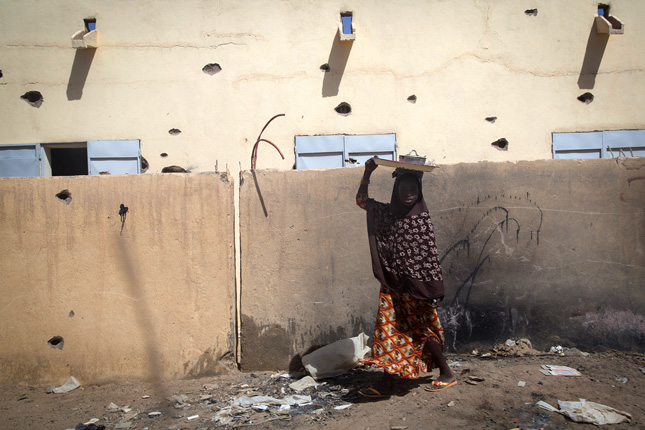
From the Roman poet Juvenal’s observations about bread and circuses to Marie Antoinette’s proclamation, “let them eat cake!” the link between food and political stability is well established in pop culture. In academic and policy circles, however, it’s a source of considerable debate.
-
Pentagon Sustainability Report, IPCC Synthesis Highlight Climate Challenges and Responses
› The culmination of five years of work by three working groups comprising hundreds of scientists around the world, the Intergovernmental Panel on Climate Change’s Fifth Assessment was released in parts throughout this year. A newly released synthesis presents their findings in one document.
 -
Tripp Shealy and Elke U. Weber, The Daily Climate
Built-In Climate Solutions: Adjusting Defaults to Encourage More Efficient Design
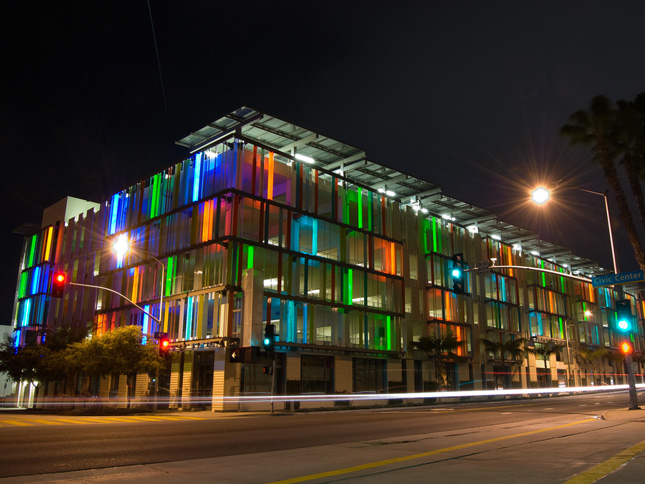
›November 14, 2014 // By Wilson Center StaffNew York City Mayor Bill de Blasio has called for “urgent, daring action” to help deliver on his pledge to reduce New York City’s greenhouse gas emissions by 80 percent by 2050. The Mayor asked us all to think about “the reckless way in which we live.”
-
The Making of a Tragedy: Inequality, Mistrust, Environmental Change Drive Ebola Epidemic
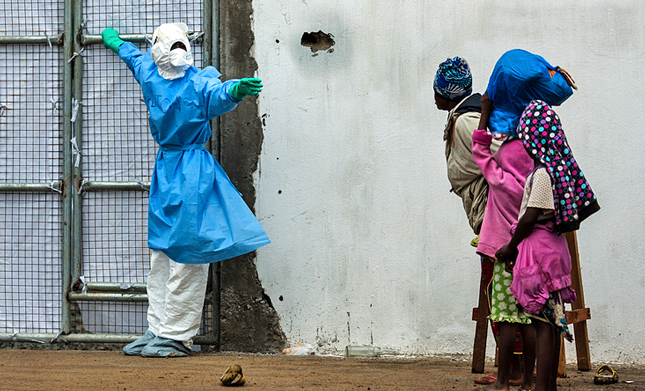
›October 9, 2014 // By Laurie MazurIn August, armed men stormed an Ebola clinic in Monrovia, Liberia, releasing infected patients and stealing contaminated bedding. The following month, eight health workers were attacked and killed in a Guinean village as they tried to educate residents about the deadly disease; their bodies were found in a village latrine. Days later, Red Cross workers in western Guinea were assaulted as they tried to collect and bury Ebola victims.
-
What Can the Environmental Community Learn From the Military? Interview With Chad Briggs on Scenario Planning
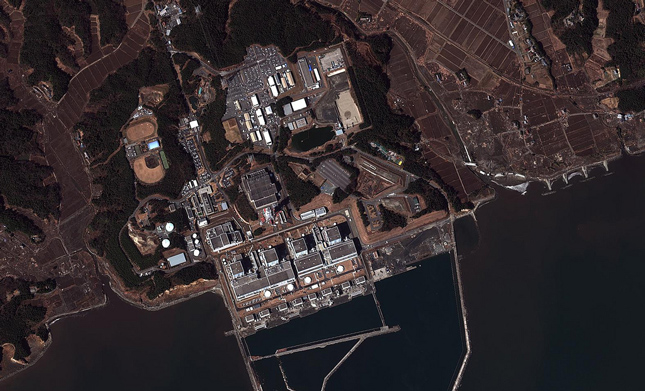
›September 8, 2014 // By Moses JacksonIs it possible to prepare for the unexpected? Could anyone have foreseen, for instance, a nuclear meltdown triggered by an earthquake-induced tsunami? Or a brutal band of transnational militants quickly capturing Iraq’s largest dam while attempting to establish a new Islamic caliphate? Perhaps not exactly, but that shouldn’t stop us from anticipating unlikely events, says Chad Briggs, a risk assessment expert and strategy director of consulting firm GlobalInt.
-
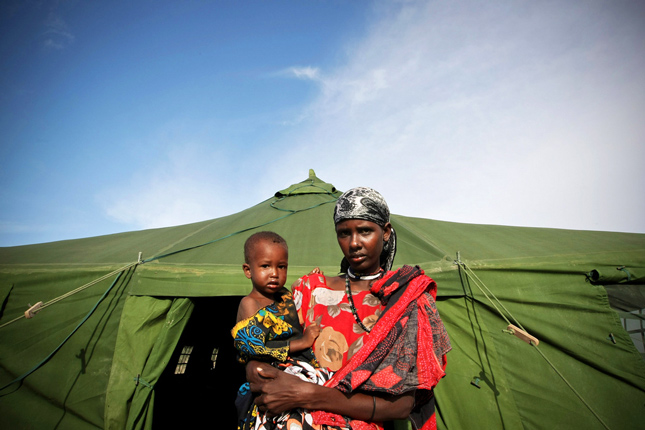
Somali Refugees Show How Conflict, Gender, Environmental Scarcity Become Entwined
›Under international law, someone who flees their country because of conflict or persecution is a refugee, but someone who flees because of inability to meet their basic household needs is not. In the case of Somalia, it is increasingly difficult to make any meaningful distinction between the two.
-
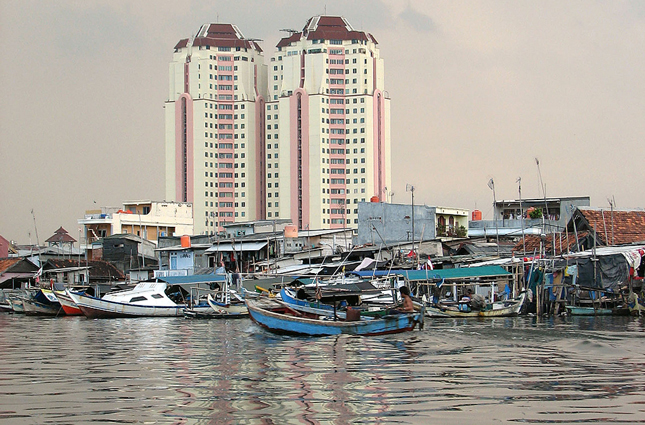
Don’t Forget About Governance: The Risk of Tunnel Vision in Chasing Resilience for Asia’s Cities
›Asia is going through an unprecedented wave of urbanization. Secondary and tertiary cities are seeing the most rapid changes in land-use and ownership, social structures, and values as peri-urban and agricultural land become part of metropolitan cityscapes. All the while, climate change is making many of these fast-growing cities more vulnerable to disasters.
-
Alice Thomas: For Refugees, Environmental Recovery Critical for Return to Normalcy
›
There are now well over 16 million refugees worldwide and 65 million people internally displaced by conflict and disasters, according to recent estimates. As more and more people are uprooted from their homes, mounting environmental pressures threaten to reinforce cycles of poverty and displacement if left unaddressed, says Alice Thomas in this week’s podcast.
Showing posts from category urbanization.