-
Banning Garrett: Getting Urbanization Right Can “Solve a Lot of Big Problems”
›
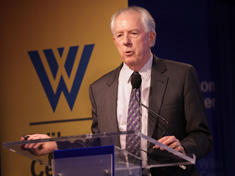
The world is changing quickly thanks to a convergence of megatrends, says Singularity University’s Banning Garrett in this week’s podcast, but urbanization could be the most critical. “If we get it right in cities, we can solve a lot of big problems,” he says.
-
Measuring the SDGs: Investments in Mapping, Geospatial Data Collection Critical to Success
›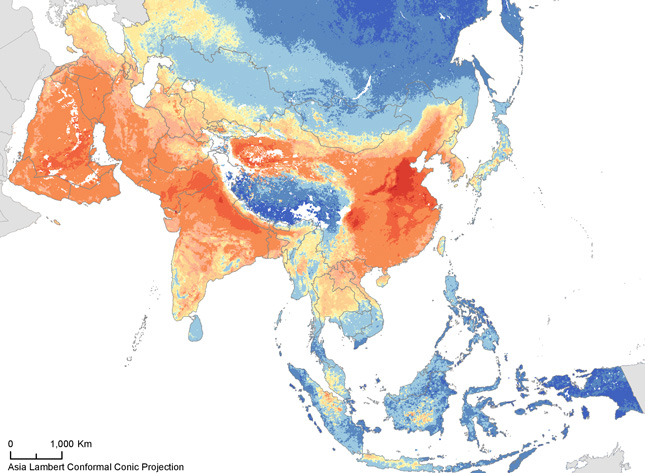
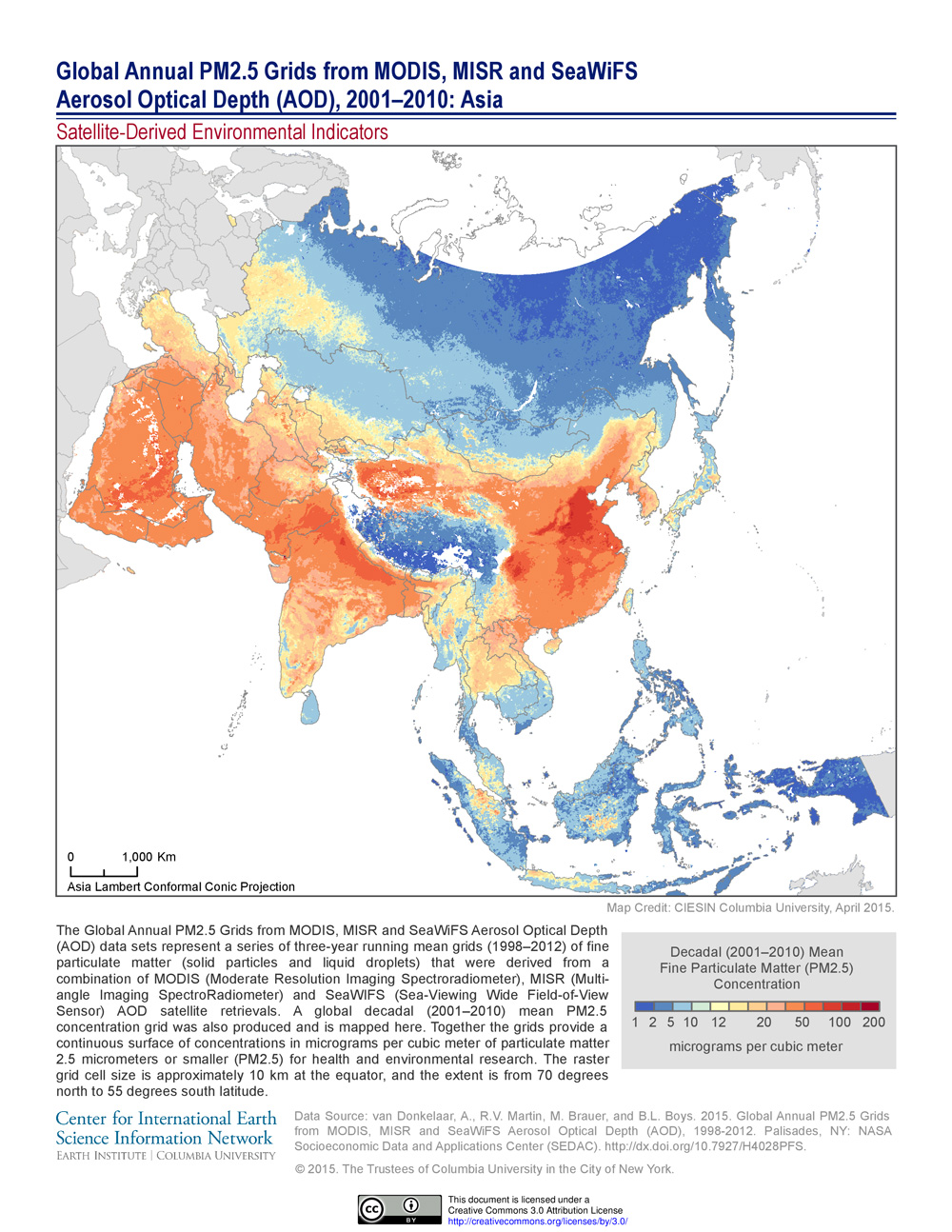
To ensure no one is left behind by the next generation of global development goals, a comprehensive mix of robust data is needed to measure progress and guide investments. A recent report coordinated by the Sustainable Development Solutions Network estimates the world will need to spend roughly $1 billion a year to sustain and enhance the statistical systems supporting and evaluating progress towards the Sustainable Development Goals (SDGs), the successors to the Millennium Development Goals expected to guide the development agenda for the next 15 years.
-
3 Facets to Relief and Recovery After Nepal’s Earthquake
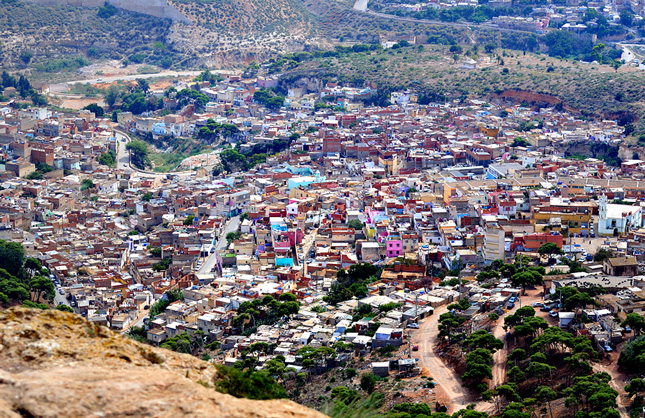
›Nepal’s devastating earthquake last Saturday was both tragic and expected. On September 18, 2011, as colleagues and I were driving through Kathmandu, our car started to shake, buildings began to sway, store fronts cracked, hundreds of people jumped out of windows and streamed into already crowded streets. It was the so-called Sikkim earthquake. There were only a few fatalities and injuries – it was a very minor event compared to last weekend’s disaster. But it validated the rationale for our visit: to help launch a disaster relief dialogue involving U.S. government experts, Nepalese security forces, and their country’s emergency responders.
-
Consequential Omissions: How Demography Shapes Development
›If you were on a mission to improve the plight of humankind, no less, would you care about how many people are living, where they are, and how old they are? You probably would, for it would obviously make it easier for you to estimate the challenge you face. However, the international community did not.
-
Big Money, Big Politics, and Big Infrastructure: Florida’s Saga Illustrates Climate Change’s Deep Challenges
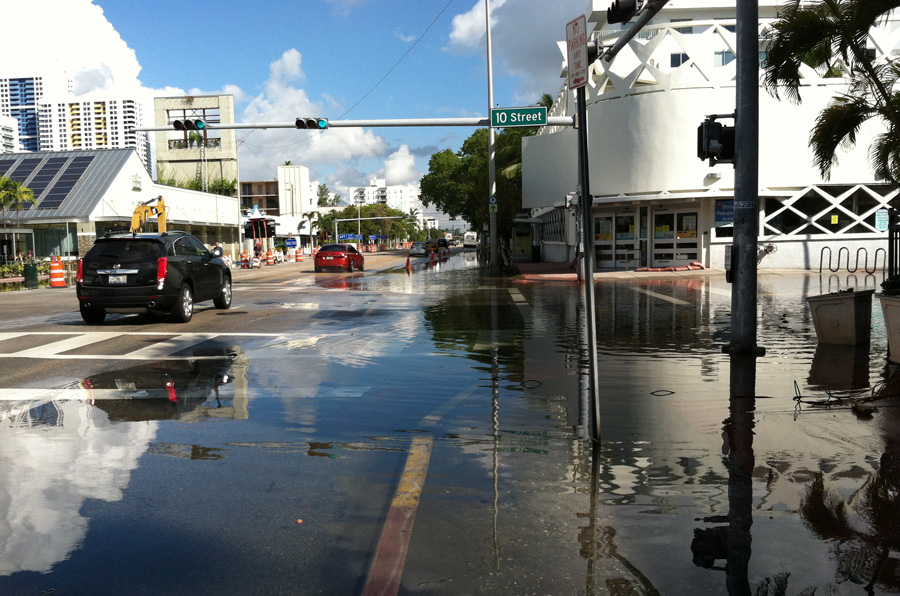
›Investigative journalists reported earlier this month that top appointees at Florida’s Department of Environmental Protection and other state agencies ordered employees not to use the terms “climate change” or “global warming” in official communications. Politically coded euphemisms such as “climate drivers” and “climate variability” were to be used instead. “Sea-level rise” was to be replaced with “nuisance flooding.” The news swiftly went viral, with commentators noting the irony of such censorship occurring in Florida – essentially ground zero for climate change in the Global North.
-
Heat and Hotheads: The Effect of Rising Temperatures on Urban Unrest
›When the first wave of protests erupted in Ferguson, Missouri, following the shooting of Michael Brown in August 2014, it looked as if unrest might spread to other American cities, echoing the “long hot summers” of 50 years before.
-
World Water Day: A Wellspring for Sustainable Development
›This year’s World Water Day is taking on a broader theme than years past: sustainable development. The theme makes sense as two major international processes – the drafting of the Sustainable Development Goals to replace the Millennium Development Goals, and the most anticipated UN Climate Summit in years – are taking place in 2015. Decisions made over the next nine months will play a huge role in relationships between nations and global development priorities going forward.
-
World Economic Forum Evaluates Global Risks, Comes to Some Odd Conclusions
›With intense drought in Sao Paulo and California, devastating floods in Malawi, and escalating water-energy confrontations in many developing countries, it is no wonder water is making headlines. It’s also gained the attention of the World Economic Forum (WEF), which lists water crises as the world’s number one risk in its recently released Global Risk Assessment.
Showing posts from category urbanization.