-
Christian Holmes, Global Waters
USAID Effort Joins Women’s Groups to Improve Sanitation in Vizag, India
›July 14, 2016 // By Wilson Center Staff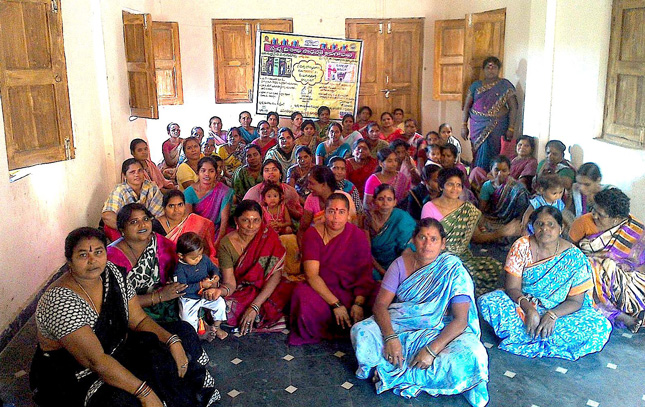
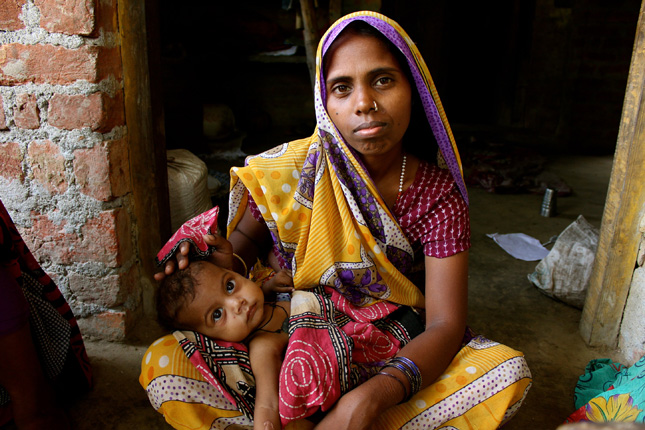
At USAID we recognize the threat poor sanitation combined with rapid urbanization presents to human health, dignity, and prosperity. This is why we have made urban sanitation a global priority for the Agency. During a recent visit to India, I was able to see some of the work being done to bring sanitation services to urban areas, and had the good fortune to meet some inspiring women who are advancing these efforts in their communities.
-
Finding Resilience in the Aftermath of Cyclone Roanu in Bangladesh
›
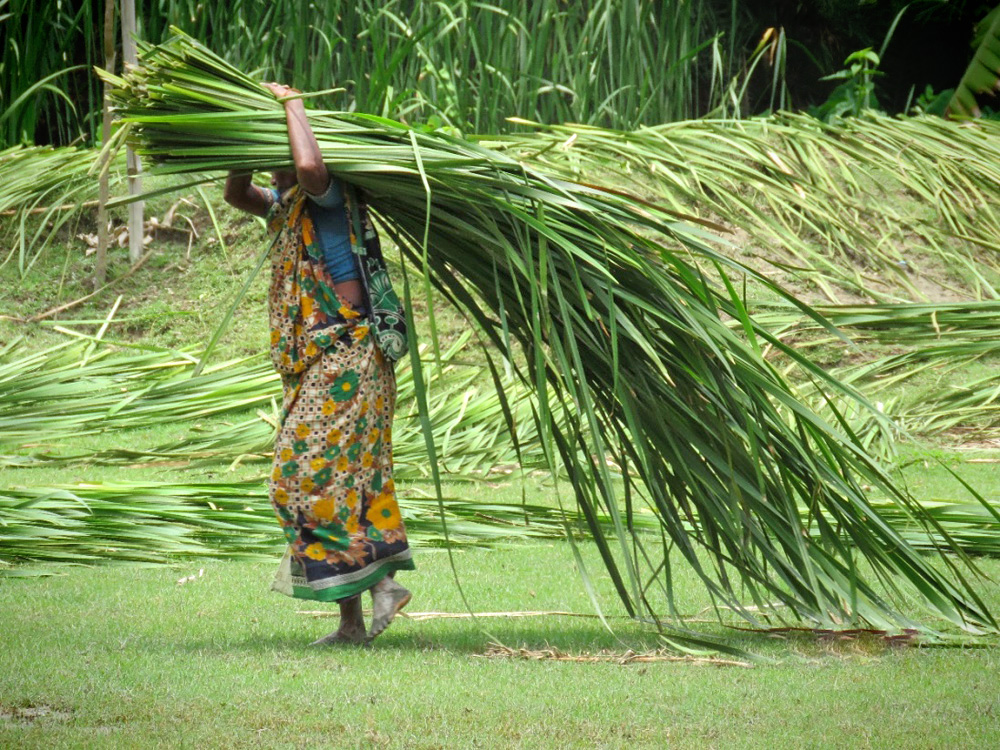
In 1970, Cyclone Bhola slammed into East Pakistan – present day Bangladesh – with sustained winds of 150 miles per hour, killing as many as half a million people. In 2007, Cyclone Sidr killed 3,406 people in Bangladesh. This year, Cyclone Roanu killed just 30. What’s behind this huge decline in mortality? What has Bangladesh done differently?
-
Military Leaders Urge South Asian Countries to Put Aside Animosities in Face of Common Climate Threat
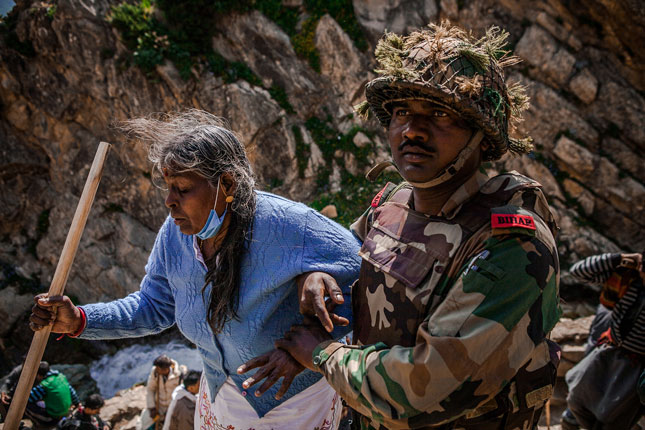
›July 6, 2016 // By Sreya PanugantiDespite a long history of confrontation and simmering tensions, three senior retired military leaders from Pakistan, Bangladesh, and India urge the nations of South Asia to unite around a common rising threat in a new report.
-
History’s Largest Generation Isn’t Getting the Health Care It Needs to Thrive
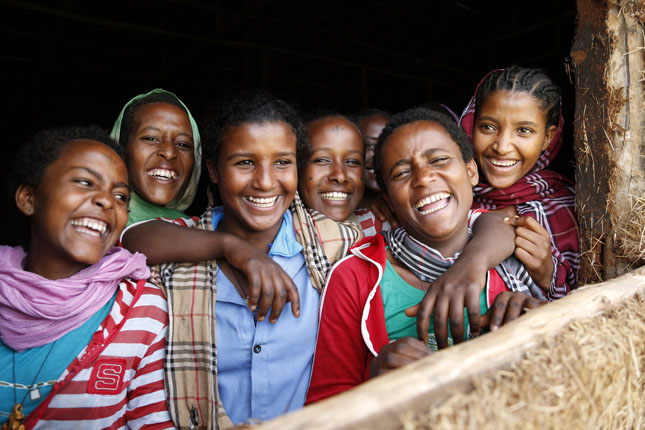
›At 1.8 billion strong, the current generation of 10 to 24 year olds is the largest in human history. Approximately 90 percent of these adolescents live in less developed countries. This poses an unprecedented challenge for health systems and social policies which largely struggle to meet the unique needs of young people, according to a new Lancet commission.
-
From Chicago to India, Journalist Tracks Long-Lasting Effects of Childhood Malnutrition in ‘First 1,000 Days’
›After more than a decade studying the wide-ranging effects of poor nutrition on children, former Wall Street Journal reporter Roger Thurow is outraged. Now he wants to inspire action.
-
Hunger in Shangri-La: Causes and Consequences of Food Insecurity in the World’s Mountains
›Over the past decade, the number of undernourished people around the world has declined by around 167 million, to just under 800 million people. However, this positive trend glosses over a stark reality: Food insecurity is increasing in the world’s mountains. This pattern has been under-recognized by development experts and governments, a dangerous oversight with far-reaching social and environmental repercussions.
-
Water Is the Climate Challenge, Says World Bank
›May 6, 2016 // By Schuyler NullHow will climate change affect you? Probably through water.
That’s the major message of a new World Bank report that finds the ways governments treat water can have a profound effect on the economy.
-
Christine Parthemore, Center for Climate and Security
How Are Climate Plans Affecting Nuclear Security?
›May 5, 2016 // By Wilson Center StaffToday, new nations are pursuing civilian but dual-use nuclear capabilities, the threat of non-state actors seeking nuclear materials may be growing, and countries continue to debate proper ways to enhance nuclear safety, security, and nonproliferation systems to keep up with the pace of change. At the same time, governments worldwide are having difficulty managing the effects of a rapidly changing climate, such as more damaging natural disasters and resource stress. The relationships among nuclear, climate, and security risks are growing more complex and interconnected, and these issues are likely to begin converging in new ways. By early 2016, it has become clear that the international community must take a fresh look at the ways in which they are likely to connect and potentially collide in the years ahead, and foster deeper dialogue on what should be done about it.
Showing posts from category South Asia.