-
Michael Kugelman, Foreign Policy
Why the India-Pakistan War Over Water Is So Dangerous
›October 6, 2016 // By Wilson Center Staff
Early on the morning of Sept. 29, according to India’s Defense Ministry and military, Indian forces staged a “surgical strike” in Pakistan-administered Kashmir that targeted seven terrorist camps and killed multiple militants. Pakistan angrily denied that the daring raid took place, though it did state that two of its soldiers were killed in clashes with Indian troops along their disputed border. New Delhi’s announcement of its strike plunged already tense India-Pakistan relations into deep crisis. It came 11 days after militants identified by India as members of the Pakistani terrorist group Jaish-e-Mohammed killed 18 soldiers on a military base in the town of Uri, in India-administered Kashmir.
-
Assessing Feed the Future in Bangladesh: Production Gains, Nutrition Challenges
›September 30, 2016 // By Anam Ahmed
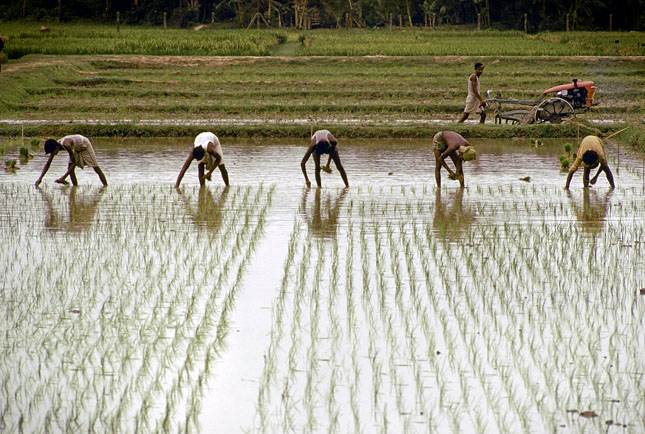
Among all the countries receiving agriculture and nutrition assistance through the U.S. government’s Feed the Future initiative, Bangladesh receives the third most, at approximately $50 million a year ($55 million has been requested for 2017). Yet Bangladesh’s population is larger than that of the two countries ahead of it, Tanzania and Ethiopia, combined.
-
Report: Deadly Miscues on the Brahmaputra an Argument for More Transboundary Cooperation
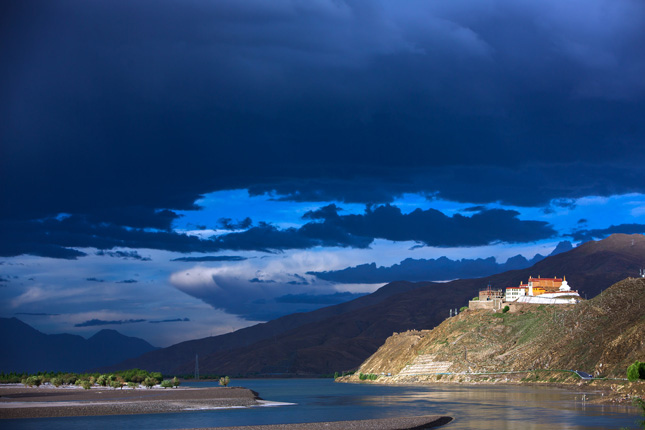
›Over the course of 1,800 miles, 5,300 vertical feet, and at least five name changes, the Brahmaputra River, in sometimes turbulent outbursts, flows from the Tibetan plateau to the Bay of Bengal. Along the way, it crosses three countries, including major geopolitical rivals China and India, and supplies 90 percent of downstream Bangladesh’s freshwater during the dry season.
-
The Unpredictability of Climate Impacts on River Flows, and the Need for Disaster Aid Reform
›A study published in PNAS highlights the unpredictability of the impacts of climate change on water resources by comparing detailed simulations in mountain areas of Chile and Nepal. Authors Silvan Ragettli, Walter W. Immerzeel, and Francesca Pellicciotti study the response of river flows to a significant decline in glacier areas in the Juncal catchment of Chile and the Langtang catchment of Nepal at higher spatiotemporal resolutions than any previous study. -
The Women of Sarawak and Mindoro on the “Invisible Battles” of Climate Change
›Although separated by a thousand miles, the women of the Malaysian state of Sarawak and the Filipino island of Mindoro are united by a major struggle: climate change. As rainfall patterns grow increasingly unpredictable, natural disasters become more frequent, and drought ravages once-arable land, women are on the frontlines in both communities.
-
Left Out and Behind: Fully Incorporating Gender Into the Climate Discourse
›August 22, 2016 // By Cara ThuringerMore often than not in the discourse around gender and climate change, the word “gender” is used primarily to refer to women. There is no disputing that women are acutely vulnerable to the effects of climate change in ways that are different than men and sometimes hidden. However, this interchangeable use of words neglects other dimensions of gender, sexual orientation, and sexual identity. As a result, we are missing important ways gender impacts people’s experiences with climate change.
-
Mobile Phone Data Helps Identify Displaced People Faster, Cheaper, More Accurately
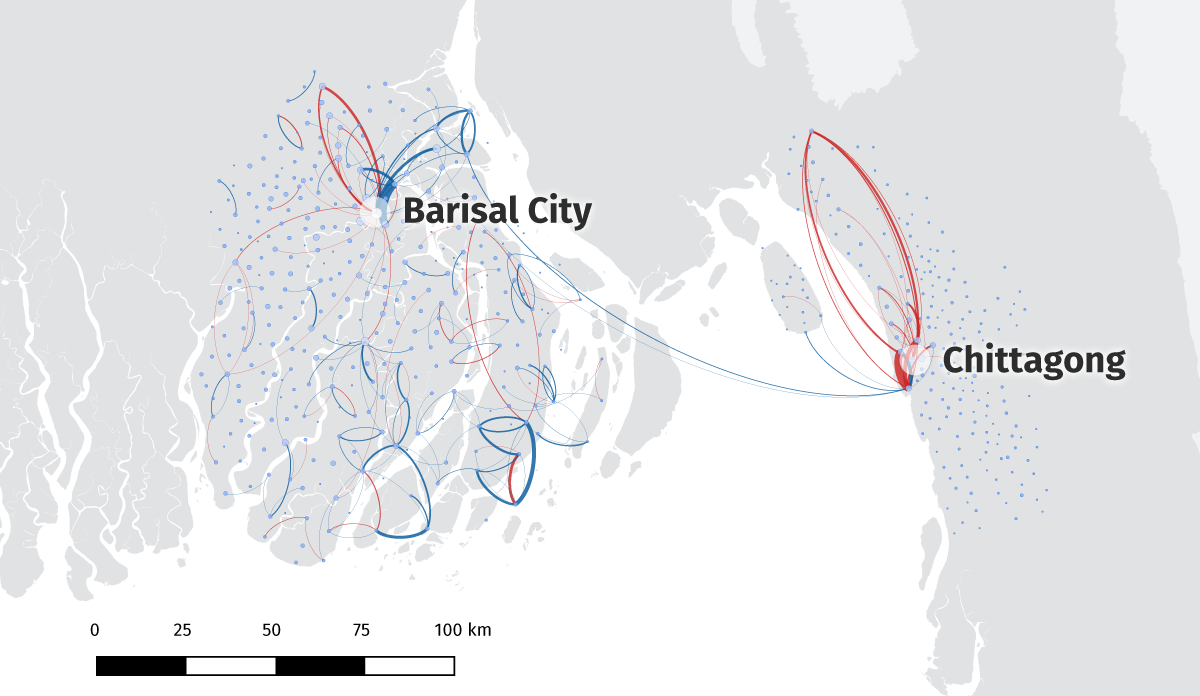
›If we are to avert the worst of climate change impacts, we need better tools for identifying patterns of displacement and migration around climate extremes. In vulnerable developing countries, increasingly frequent and intense storms will likely exacerbate current patterns of displacement and permanent migration. Displacement often leads to humanitarian crises in the short term and can derail progress toward development in the long term. Because of this dangerous potential, displaced persons and migrants are a common focus in humanitarian responses. However disaster responders must often “fly blind” without the benefit of current, accurate information about the worst-affected populations. To better respond to the impacts of climate change as they unfold, we will need more rapid, cost-effective, and accurate methods for identifying patterns of displacement and migration.
-
Geoffrey Dabelko, The Cipher Brief
Sorting Through the “Water Wars” Rhetoric in South Asia
›July 22, 2016 // By Wilson Center StaffThe eye catching headlines are familiar. “Water Wars” are imminent or already underway in the latest drought or dam-building hotspot. Such “wars” often extend to farmers battling over irrigation diversions, but at times countries are the players. Senior leaders are often quoted suggesting transboundary water theft constitutes a casus belli. Security officials are obliged to investigate.
Showing posts from category South Asia.