-
Infographic: The Environmental Effects of China’s Growing Pork Industry
›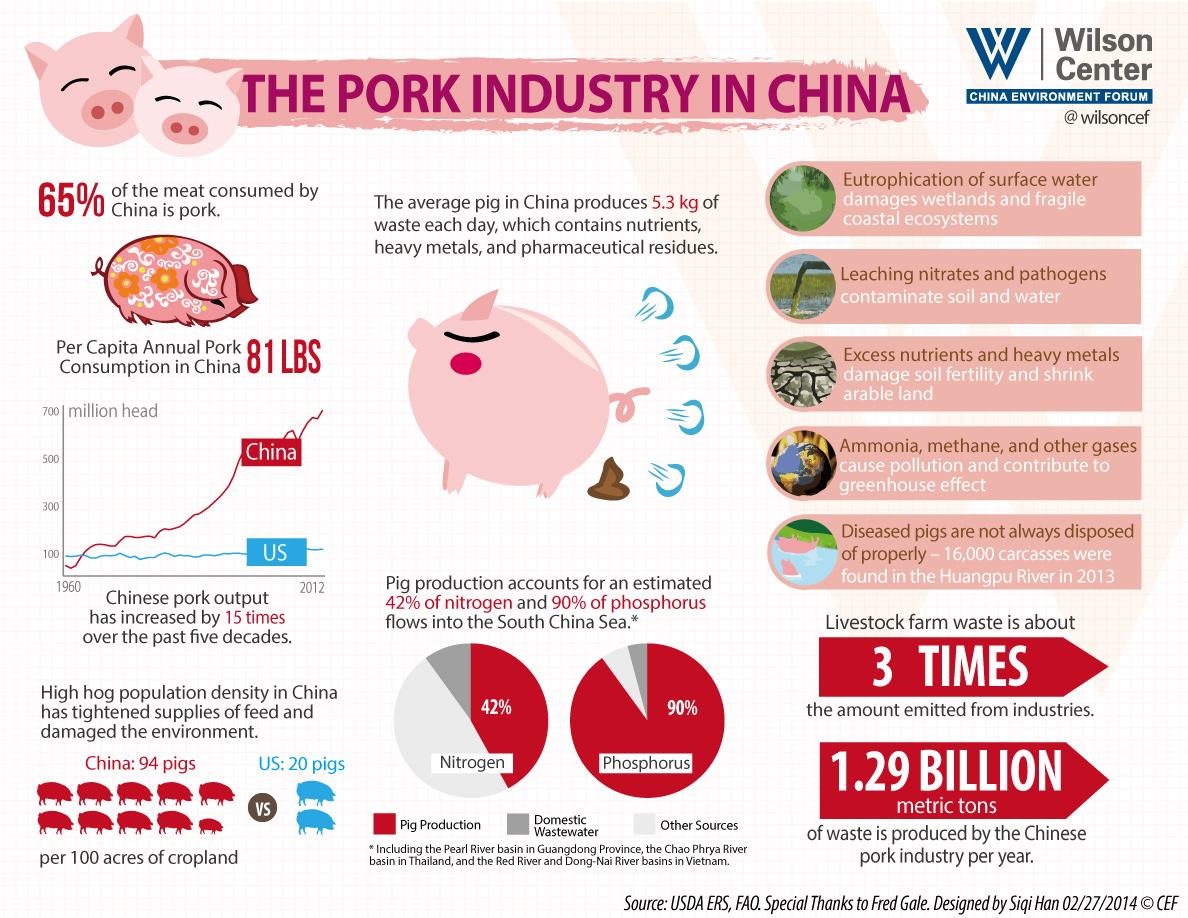
The pork industry in China accounts for 65 percent of domestic meat consumption, but also produces 1.29 billion metric tons of waste every year. China’s growing appetite for meat has put tremendous pressure on the livestock sector, which now produces three times more waste than industrial sources, and created a series of environmental and food safety issues.
-
Vik Mohan: Madagascar’s Cyclone Haruna Showed Benefits of Integrated Development
›December 10, 2013 // By Jacob GlassWhen Cyclone Haruna swept across Madagascar last February, Blue Ventures, a marine conservation and community health organization, found themselves in a surprising new role. “We went from development, to aid, and back to development, in an integrated way we never expected,” said Medical Director Vik Mohan in an interview at the Wilson Center.
-
Gorillas and Family Planning: At the Crossroads of Community Development and Conservation in Uganda
›
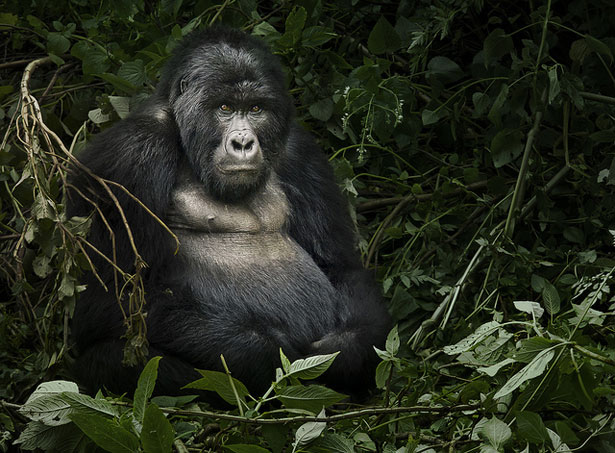
“Gorillas are very good at family planning; if we were like them, we’d be much better off,” said wildlife veterinarian Dr. Gladys Kalema-Zikusoka at the Wilson Center on September 26. The Conservation Through Public Health (CTPH) CEO and founder is celebrating 10 years of population, health, and environment (PHE) work in Uganda and the Democratic Republic of Congo, bringing health and livelihood interventions to people while protecting mountain gorillas around Virunga and Bwindi Impenetrable National Parks. [Video Below]
-
Gladys Kalema-Zikusoka on Gorilla Conservation and Community Health in Uganda and DRC
›Dr. Gladys Kalema-Zikusoka never expected to be so deeply involved in family planning when she started Conservation Through Public Health (CTPH) 10 years ago. CTPH began with a simple mission: to help preserve endangered mountain gorillas in Virunga National Park in the Democratic Republic of the Congo, and Bwindi Impenetrable National Park in Uganda. But, as Kalema-Zikusoka explains in this week’s podcast, they quickly found that to help the gorillas, they had to help the people living around them.
-
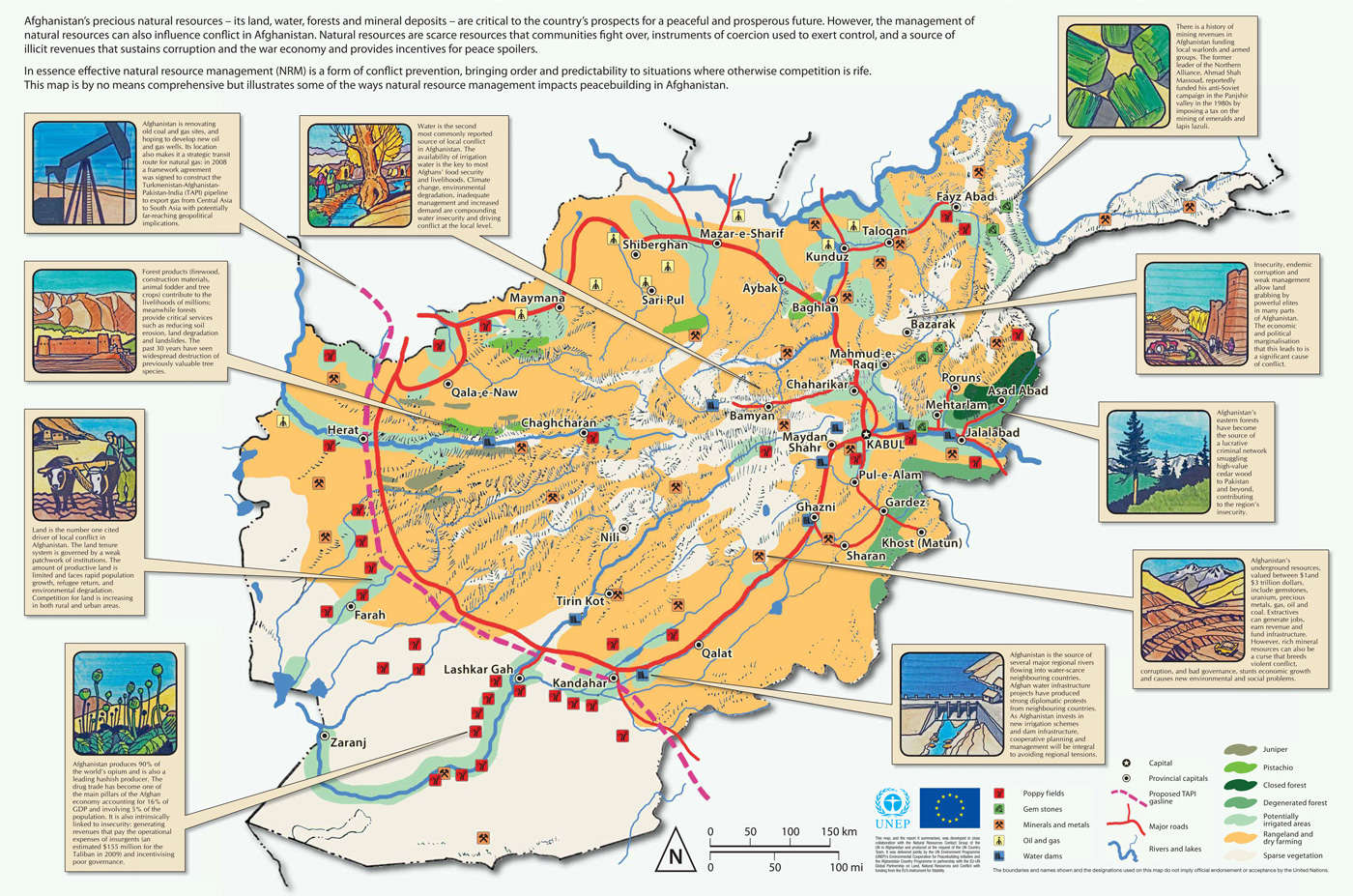
To Build Peace, Confront Afghanistan’s Natural Resource Paradox
›There’s a popular saying in Afghanistan reflecting the value of water: “Let Kabul be without gold, but not without snow.”
Living in a refugee camp across the border in Pakistan during the Soviet occupation, my father, who worked as a doctor in Samangan, Bamyan, Kunar, and Balkh provinces, used to tell me about the importance of our country’s natural wealth. He was optimistic that it was Afghanistan’s land, water, forests, and minerals that would help the country re-emerge as a strong nation. However, he also knew that the mismanagement of our natural resources is partly to blame for the instability, insecurity, and vulnerability that have gripped our country for so many years. This is the paradox of the natural resource wealth in Afghanistan.
-
Reviewing USAID’s Global Health Activities, and the Status of Malnutrition Worldwide
›USAID’s annual report to Congress on its global health programs breaks down the broad array of initiatives carried out each year “from the American people” to prevent child and maternal deaths, provide safe access to water, combat infectious disease, and deliver HIV/AIDS relief, among other priorities. Maternal and child health are of particular focus, with the agency helping to launch the Child Survival Call to Action, London Summit on Family Planning, and U.S. Government Action Plan on Children in Adversity last year. The authors report significant declines in maternal and newborn mortality rates for priority countries and the establishment of “national contraceptive security strategies” in 36 out of 47 USAID-supported countries since 2003. “All of these efforts align under U.S. goals to end extreme poverty and promote peace and prosperity worldwide, which result in improved security at home and better markets for U.S. businesses abroad,” writes Assistant Administrator Dr. Ariel Pablos-Méndez. -
On World Population Day, ICPD Conference Reminds Us of Population’s Role in Development
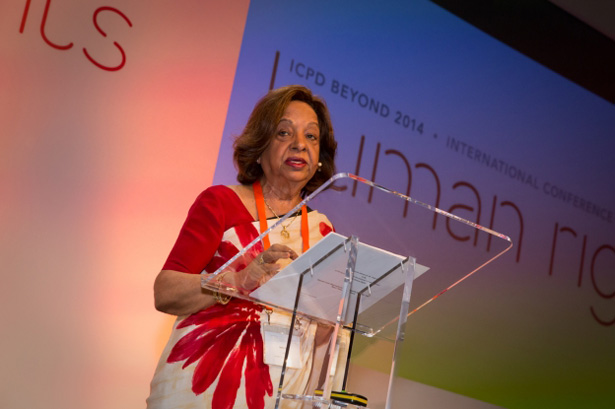
›July 11, 2013 // By Roger-Mark De Souza“The development agenda is discretionary and the human rights agenda is obligatory,” said Kitty van der Heijden, the ambassador for sustainable development in the Dutch Ministry of Foreign Affairs, on the final day of the ICPD International Conference on Human Rights here in the Netherlands.
-
Dale Lewis on Combating Poaching in Zambia’s Luangwa Valley Through Integrated Development
›June 28, 2013 // By Jacob Glass“We did something very special for the community and the resources these farmers live with. We sat down with local leaders and promised to stop spending so much time caring about the elephants, and instead create a company that will try to address community needs,” said Dale Lewis in an interview at the Wilson Center. “The deal was they had to put down their snares and guns.”
Showing posts from category sanitation.