• woodrow wilson center
  • ecsp

New Security Beat

Subscribe:
  • rss
  • mail-to
  • Who We Are
  • Topics
    • Population
    • Environment
    • Security
    • Health
    • Development
  • Columns
    • China Environment Forum
    • Choke Point
    • Dot-Mom
    • Friday Podcasts
    • Navigating the Poles
    • Reading Radar
  • Multimedia
    • Water Stories (Podcast Series)
    • Backdraft (Podcast Series)
    • Tracking the Energy Titans (Interactive)
  • Films
    • Water, Conflict, and Peacebuilding (Animated Short)
    • Paving the Way (Ethiopia)
    • Broken Landscape (India)
    • Scaling the Mountain (Nepal)
    • Healthy People, Healthy Environment (Tanzania)
  • Publications
  • Events
  • Contact Us

NewSecurityBeat

The blog of the Wilson Center's Environmental Change and Security Program
Showing posts from category sanitation.
  • On World Population Day, ICPD Conference Reminds Us of Population’s Role in Development

    ›
    July 11, 2013  //  By Roger-Mark De Souza
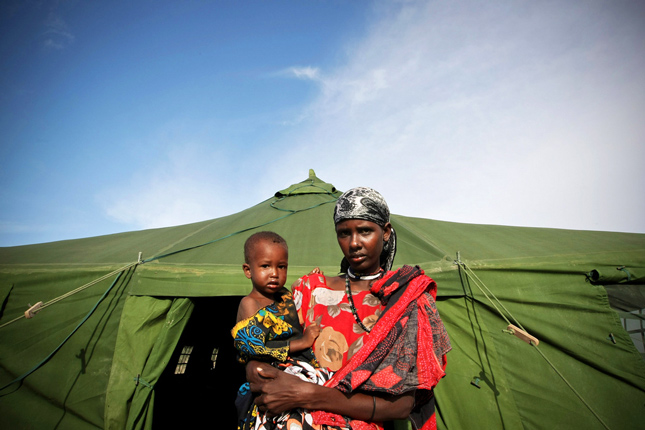
    Nafis Sadik at ICPD Beyond 2014

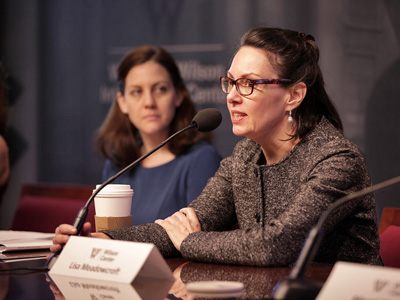
    “The development agenda is discretionary and the human rights agenda is obligatory,” said Kitty van der Heijden, the ambassador for sustainable development in the Dutch Ministry of Foreign Affairs, on the final day of the ICPD International Conference on Human Rights here in the Netherlands.

    MORE
  • Dale Lewis on Combating Poaching in Zambia’s Luangwa Valley Through Integrated Development

    ›
    June 28, 2013  //  By Jacob Glass

    “We did something very special for the community and the resources these farmers live with. We sat down with local leaders and promised to stop spending so much time caring about the elephants, and instead create a company that will try to address community needs,” said Dale Lewis in an interview at the Wilson Center. “The deal was they had to put down their snares and guns.”

    MORE
  • Facing the Future: Empowering Youth to Protect Their Health and Environment in Ghana and the Philippines

    ›
    From the Wilson Center  //  May 22, 2013  //  By Carolyn Lamere

    In the Philippines, there are health and development programs that specifically target children, senior citizens, and adults, said Joan Castro, but adolescents are underserved. Nineteen percent of the population is between the ages of 15 and 19, but “they can’t even go to health centers to get the family planning commodities [they desire],” she said. [Video Below]

    MORE
  • Leslie Mwinnyaa: Young People Drive Integrated Development in Ghana’s Ellembelle District

    ›
    Beat on the Ground  //  Friday Podcasts  //  May 17, 2013  //  By Schuyler Null & Carolyn Lamere

    “I have been amazed and inspired by the youth that I’ve worked with, with their dedication and motivation to help their countrymen and to try to make their communities better places,” says Leslie Mwinnyaa in this week’s podcast.

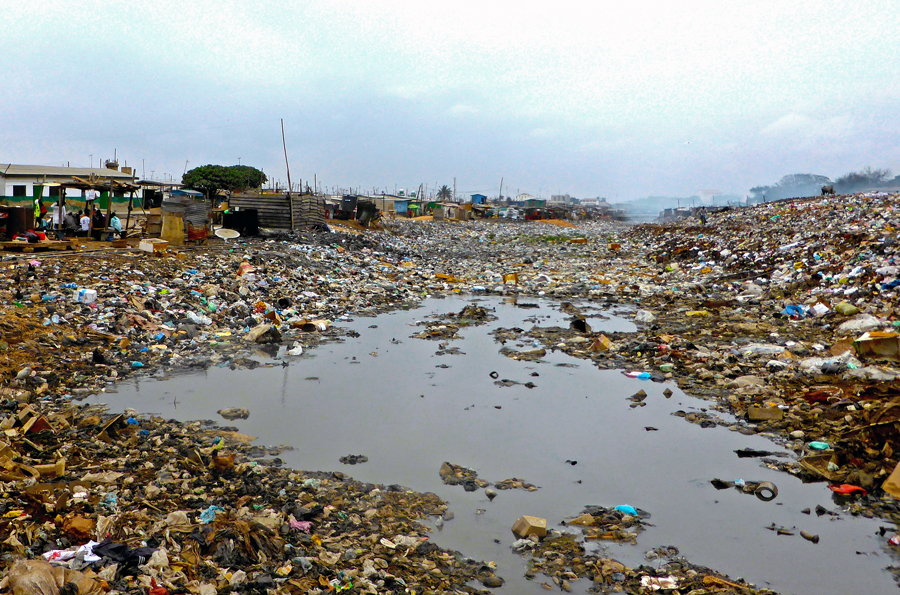
    When Mwinnyaa arrived in the Ellembelle district of coastal Ghana as a Peace Corps volunteer she found a multitude of development challenges. Fishermen routinely use illegal techniques like chemicals, lights, and dynamite that decimate fish stocks; “sand winning” and mangrove clearing increases erosion, leaving communities vulnerable to flooding and reducing breeding grounds for local fish; poor waste and refuse management contributes to disease and poor health; and teenage girls have twice the national rate of pregnancy.

    MORE
  • Combining Health and Food Security in Mozambique: Interview With Pathfinder International’s SCIP Project

    ›
    Beat on the Ground  //  May 15, 2013  //  By Carolyn Lamere

    Pathfinder International’s Strengthening Communities Through Integrated Programming (SCIP) is part of a new push towards integrated development – looking at communities as a whole and addressing multiple, traditionally-siloed sectors at once. SCIP integrates both its activities and its funding to great effect in Mozambique.

    MORE
  • Addressing Urban Environmental Health and Maternal Mortality in Developing Countries

    ›
    Reading Radar  //  April 24, 2013  //  By Maria Prebble

    Although climate change is a global phenomenon, developing countries – especially urban centers – are the most vulnerable to the negative health impacts of climate change.  In “Urban Governance of Climate Change and Health,” a working paper for the Norwegian Institute for Urban and Regional Research, author Siri Bjerkreim Hellevik reviews the existing literature on governments’ responses to climate change and health in developing urban centers. Overall, Hellevik concludes that there is a substantial need for more research specifically linking the two. She offers several recommendations for urban policymakers to consider, including developing an integrated and multi-level approach, and recognizing that human health and urban development are issues of global justice.

    MORE
  • After Cyclone Haruna, Blue Ventures Leverages Its PHE Program for Disaster Response in Madagascar

    ›
    Beat on the Ground  //  Guest Contributor  //  March 28, 2013  //  By Laura Robson

    ‘Toward Resilience’ is a series on the meaning of global resilience and vulnerability today.

    Balbine is moving through her coastal village of Andavadoaka with a sense of urgency. Normally she works as a community-based distributor for Blue Ventures’ integrated population, health, and environment (PHE) program in southwest Madagascar, providing health information and products to her community. However, since Cyclone Haruna swept through the region several weeks ago, Balbine has been especially busy distributing diarrhea treatment kits to mothers caring for sick infants, providing families sleeping out in the open with mosquito nets to protect against malaria, setting up water filtering stations, and emphasizing the importance good hygiene practices.

    MORE
  • World Water Day Focuses on Cooperation in the Face of Growing Stress

    ›
    March 22, 2013  //  By Schuyler Null

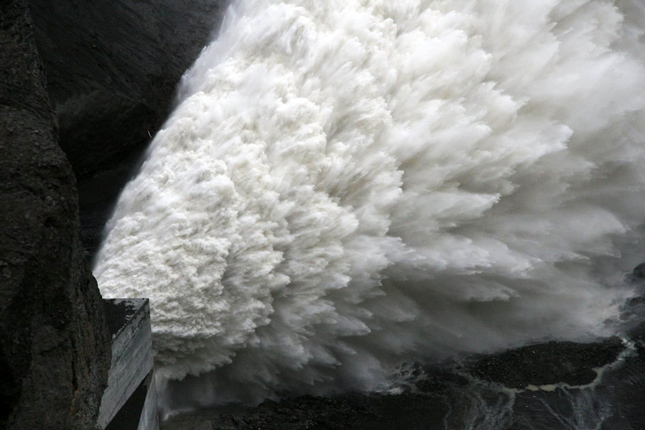
    Cooperation, not conflict; that’s the theme of this year’s World Water Day. Collaboration over water has been the rule rather than the exception over the past 70 years, UNESCO explained in the launch of their International Year for Water Cooperation initiative earlier this year (which the rest of the UN is thoughtfully supporting).

    But the fact that there’s need for such an initiative shows that water conflict and other water issues are not far from the minds of global policymakers. Scarcity, drought, climate change, food security, disease – water impacts people and their governments in so many ways. Here’s a rundown of some of our best related posts.

    MORE
Newer Posts   Older Posts
View full site

Join the Conversation

  • RSS
  • subscribe
  • facebook
  • G+
  • twitter
  • iTunes
  • podomatic
  • youtube
Tweets by NewSecurityBeat

Trending Stories

  • unfccclogo1
  • Pop at COP: Population and Family Planning at the UN Climate Negotiations

Featured Media

Backdraft Podcast

play Backdraft
Podcasts

More »

What You're Saying

  • Volunteers,At,The,Lagos,Food,Bank,Initiative,Outreach,To,Ikotun, Pan-African Response to COVID-19: New Forms of Environmental Peacebuilding Emerge
    Rashida Salifu: Great piece 👍🏾 Africa as a continent has suffered this unfortunate pandemic.But it has also...
  • A desert road near Kuqa An Unholy Trinity: Xinjiang’s Unhealthy Relationship With Coal, Water, and the Quest for Development
    Ismail: It is more historically accurate to refer to Xinjiang as East Turkistan.
  • shutterstock_1779654803 Leverage COVID-19 Data Collection Networks for Environmental Peacebuilding
    Carsten Pran: Thanks for reading! It will be interesting to see how society adapts to droves of new information in...

What We’re Reading

  • Rising rates of food instability in Latin America threaten women and Venezuelan migrants
  • Treetop sensors help Indonesia eavesdrop on forests to cut logging
  • 'Seat at the table': Women's land rights seen as key to climate fight
  • A Surprise in Africa: Air Pollution Falls as Economies Rise
  • Himalayan glacier disaster highlights climate change risks
More »
  • woodrow
  • ecsp
  • RSS Feed
  • YouTube
  • Twitter
  • Facebook
  • Home
  • Who We Are
  • Publications
  • Events
  • Wilson Center
  • Contact Us
  • Print Friendly Page

© Copyright 2007-2021. Environmental Change and Security Program.

Woodrow Wilson International Center for Scholars. All rights reserved.

Developed by Vico Rock Media

Environmental Change and Security Program

Woodrow Wilson International Center for Scholars

Ronald Reagan Building and International Trade Center

  • One Woodrow Wilson Plaza
  • 1300 Pennsylvania Ave., NW
  • Washington, DC 20004-3027

T 202-691-4000