• woodrow wilson center
  • ecsp

New Security Beat

Subscribe:
  • rss
  • mail-to
  • Who We Are
  • Topics
    • Population
    • Environment
    • Security
    • Health
    • Development
  • Columns
    • China Environment Forum
    • Choke Point
    • Dot-Mom
    • Friday Podcasts
    • Navigating the Poles
    • Reading Radar
  • Multimedia
    • Water Stories (Podcast Series)
    • Backdraft (Podcast Series)
    • Tracking the Energy Titans (Interactive)
  • Films
    • Water, Conflict, and Peacebuilding (Animated Short)
    • Paving the Way (Ethiopia)
    • Broken Landscape (India)
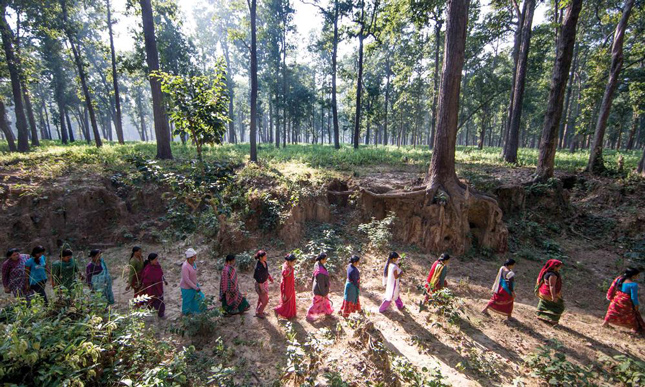
    • Scaling the Mountain (Nepal)
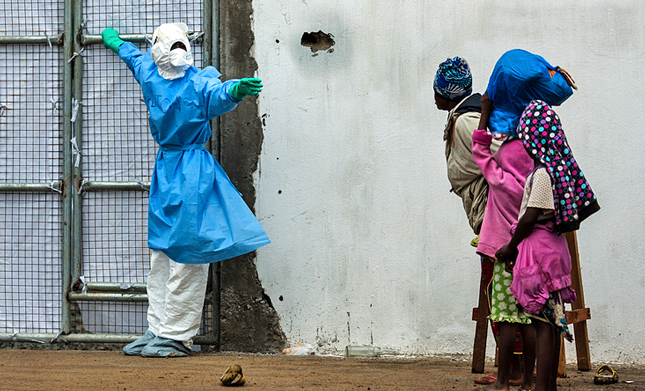
    • Healthy People, Healthy Environment (Tanzania)
  • Publications
  • Events
  • Contact Us

NewSecurityBeat

The blog of the Wilson Center's Environmental Change and Security Program
Showing posts from category sanitation.
  • Water Wars? Think Again: Conflict Over Freshwater Structural Rather Than Strategic

    ›
    Guest Contributor  //  April 15, 2014  //  By Cameron Harrington
    Pakistan-flooding

    The global water wars are almost upon us!

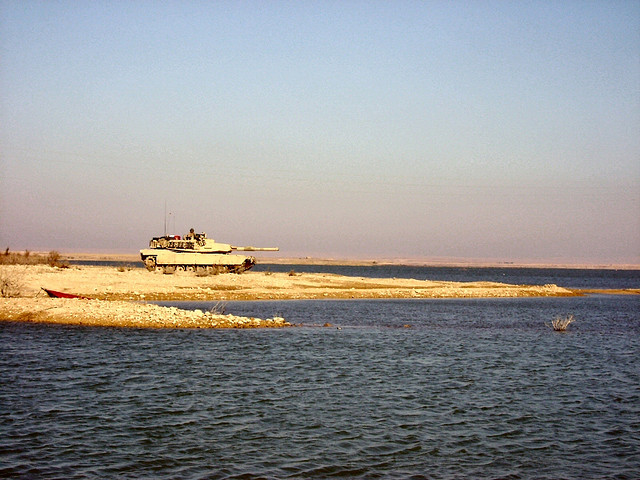
    At least that’s how it seems to many. The signs are troubling: Egypt and Ethiopia have recently increased their aggressive posture and rhetoric over the construction of the Great Ethiopian Renaissance Dam in the headwaters of the Blue Nile, Egypt’s major artery since antiquity. India continues to build new dams that are seen by its rival Pakistan as a threat to its “water interests” and thus its national security. Turkey, from its dominant position upstream, has been diverting the Tigris and Euphrates rivers and increasing water stress in the already-volatile states of Iraq and Syria.

    MORE
  • Deepa Pullanikkatil: Climate Adaptation Efforts Reveal Health-Environment Links in Malawi

    ›
    Friday Podcasts  //  March 14, 2014  //  By Moses Jackson
    deepa_small

    Effective development interventions often require thinking outside the box. In southern Malawi’s Lake Chilwa basin, where environmental degradation, public health, and population dynamics intersect in unpredictable ways, people like Deepa Pullanikkatil of Leadership for Environment and Development (LEAD) are challenging conventional thinking with promising results.

    MORE
  • Infographic: The Environmental Effects of China’s Growing Pork Industry

    ›
    China Environment Forum  //  March 11, 2014  //  By Siqi Han
    Pork_industry_in_China

    The pork industry in China accounts for 65 percent of domestic meat consumption, but also produces 1.29 billion metric tons of waste every year. China’s growing appetite for meat has put tremendous pressure on the livestock sector, which now produces three times more waste than industrial sources, and created a series of environmental and food safety issues.

    MORE
  • Vik Mohan: Madagascar’s Cyclone Haruna Showed Benefits of Integrated Development

    ›
    December 10, 2013  //  By Jacob Glass

    When Cyclone Haruna swept across Madagascar last February, Blue Ventures, a marine conservation and community health organization, found themselves in a surprising new role. “We went from development, to aid, and back to development, in an integrated way we never expected,” said Medical Director Vik Mohan in an interview at the Wilson Center.

    MORE
  • Gorillas and Family Planning: At the Crossroads of Community Development and Conservation in Uganda

    ›
    From the Wilson Center  //  November 13, 2013  //  By Donald Borenstein
    gorillaweb

    “Gorillas are very good at family planning; if we were like them, we’d be much better off,” said wildlife veterinarian Dr. Gladys Kalema-Zikusoka at the Wilson Center on September 26. The Conservation Through Public Health (CTPH) CEO and founder is celebrating 10 years of population, health, and environment (PHE) work in Uganda and the Democratic Republic of Congo, bringing health and livelihood interventions to people while protecting mountain gorillas around Virunga and Bwindi Impenetrable National Parks. [Video Below]

    MORE
  • Gladys Kalema-Zikusoka on Gorilla Conservation and Community Health in Uganda and DRC

    ›
    Friday Podcasts  //  October 11, 2013  //  By Donald Borenstein
    gladys-podcast

    Dr. Gladys Kalema-Zikusoka never expected to be so deeply involved in family planning when she started Conservation Through Public Health (CTPH) 10 years ago. CTPH began with a simple mission: to help preserve endangered mountain gorillas in Virunga National Park in the Democratic Republic of the Congo, and Bwindi Impenetrable National Park in Uganda. But, as Kalema-Zikusoka explains in this week’s podcast, they quickly found that to help the gorillas, they had to help the people living around them.

    MORE
  • To Build Peace, Confront Afghanistan’s Natural Resource Paradox

    ›
    Guest Contributor  //  September 16, 2013  //  By Shamim Niazi
    UNEP_Afghanistan_NRM_guidan

    There’s a popular saying in Afghanistan reflecting the value of water: “Let Kabul be without gold, but not without snow.”

    Living in a refugee camp across the border in Pakistan during the Soviet occupation, my father, who worked as a doctor in Samangan, Bamyan, Kunar, and Balkh provinces, used to tell me about the importance of our country’s natural wealth. He was optimistic that it was Afghanistan’s land, water, forests, and minerals that would help the country re-emerge as a strong nation. However, he also knew that the mismanagement of our natural resources is partly to blame for the instability, insecurity, and vulnerability that have gripped our country for so many years. This is the paradox of the natural resource wealth in Afghanistan.

    MORE
  • Reviewing USAID’s Global Health Activities, and the Status of Malnutrition Worldwide

    ›
    Reading Radar  //  July 17, 2013  //  By Jacob Glass

    USAID-Annual-Report-CoverUSAID’s annual report to Congress on its global health programs breaks down the broad array of initiatives carried out each year “from the American people” to prevent child and maternal deaths, provide safe access to water, combat infectious disease, and deliver HIV/AIDS relief, among other priorities. Maternal and child health are of particular focus, with the agency helping to launch the Child Survival Call to Action, London Summit on Family Planning, and U.S. Government Action Plan on Children in Adversity last year. The authors report significant declines in maternal and newborn mortality rates for priority countries and the establishment of “national contraceptive security strategies” in 36 out of 47 USAID-supported countries since 2003. “All of these efforts align under U.S. goals to end extreme poverty and promote peace and prosperity worldwide, which result in improved security at home and better markets for U.S. businesses abroad,” writes Assistant Administrator Dr. Ariel Pablos-Méndez.

    MORE
Newer Posts   Older Posts
View full site

Join the Conversation

  • RSS
  • subscribe
  • facebook
  • G+
  • twitter
  • iTunes
  • podomatic
  • youtube
Tweets by NewSecurityBeat

Trending Stories

  • unfccclogo1
  • Pop at COP: Population and Family Planning at the UN Climate Negotiations

Featured Media

Backdraft Podcast

play Backdraft
Podcasts

More »

What You're Saying

  • Volunteers,At,The,Lagos,Food,Bank,Initiative,Outreach,To,Ikotun, Pan-African Response to COVID-19: New Forms of Environmental Peacebuilding Emerge
    Rashida Salifu: Great piece 👍🏾 Africa as a continent has suffered this unfortunate pandemic.But it has also...
  • A desert road near Kuqa An Unholy Trinity: Xinjiang’s Unhealthy Relationship With Coal, Water, and the Quest for Development
    Ismail: It is more historically accurate to refer to Xinjiang as East Turkistan.
  • shutterstock_1779654803 Leverage COVID-19 Data Collection Networks for Environmental Peacebuilding
    Carsten Pran: Thanks for reading! It will be interesting to see how society adapts to droves of new information in...

What We’re Reading

  • Rising rates of food instability in Latin America threaten women and Venezuelan migrants
  • Treetop sensors help Indonesia eavesdrop on forests to cut logging
  • 'Seat at the table': Women's land rights seen as key to climate fight
  • A Surprise in Africa: Air Pollution Falls as Economies Rise
  • Himalayan glacier disaster highlights climate change risks
More »
  • woodrow
  • ecsp
  • RSS Feed
  • YouTube
  • Twitter
  • Facebook
  • Home
  • Who We Are
  • Publications
  • Events
  • Wilson Center
  • Contact Us
  • Print Friendly Page

© Copyright 2007-2021. Environmental Change and Security Program.

Woodrow Wilson International Center for Scholars. All rights reserved.

Developed by Vico Rock Media

Environmental Change and Security Program

Woodrow Wilson International Center for Scholars

Ronald Reagan Building and International Trade Center

  • One Woodrow Wilson Plaza
  • 1300 Pennsylvania Ave., NW
  • Washington, DC 20004-3027

T 202-691-4000