-
3 Facets to Relief and Recovery After Nepal’s Earthquake
›Nepal’s devastating earthquake last Saturday was both tragic and expected. On September 18, 2011, as colleagues and I were driving through Kathmandu, our car started to shake, buildings began to sway, store fronts cracked, hundreds of people jumped out of windows and streamed into already crowded streets. It was the so-called Sikkim earthquake. There were only a few fatalities and injuries – it was a very minor event compared to last weekend’s disaster. But it validated the rationale for our visit: to help launch a disaster relief dialogue involving U.S. government experts, Nepalese security forces, and their country’s emergency responders.
-
Infographic: Conquering China’s Sludge Mountains
›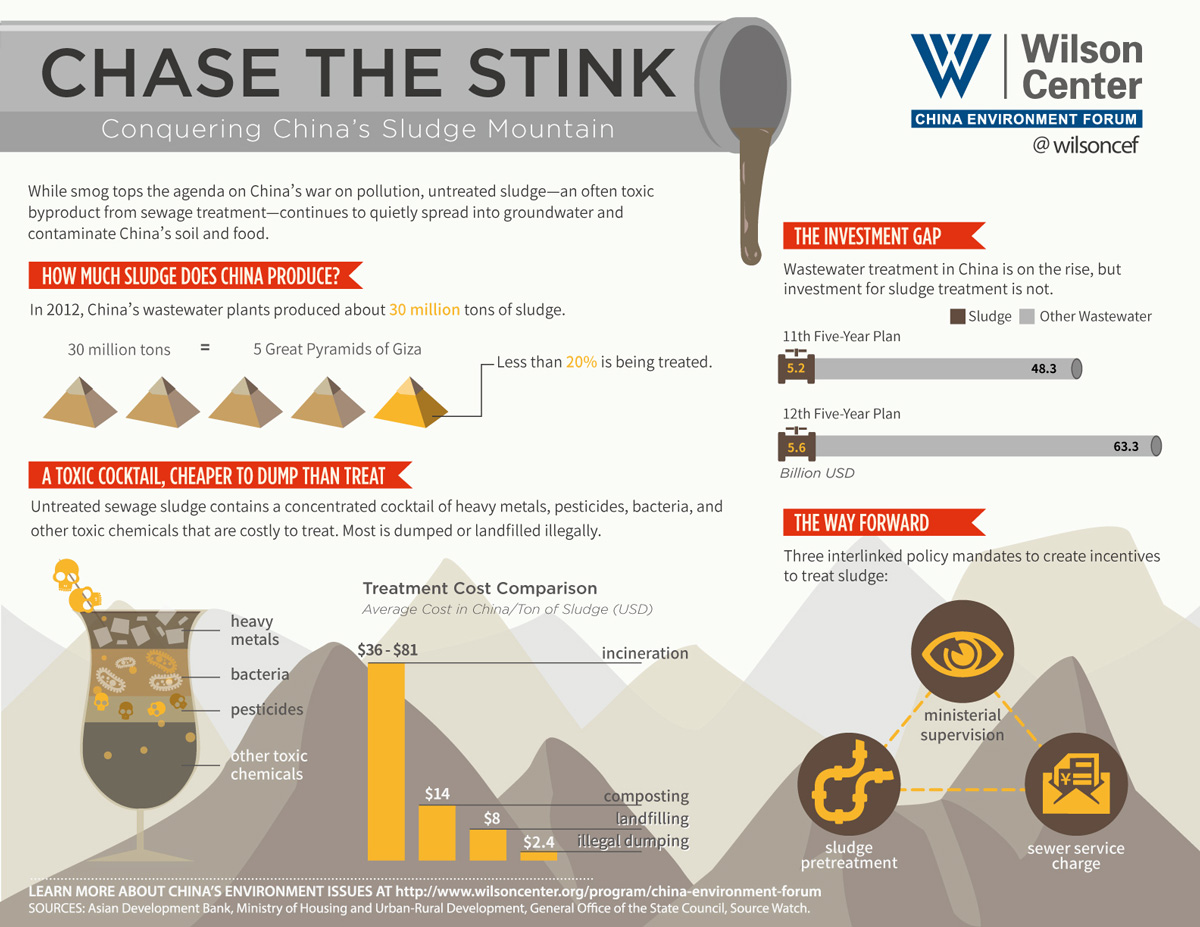
While Chinese officials make full frontal regulatory attacks on smog, untreated sludge, an often toxic byproduct from sewage treatment, continues to quietly spread into groundwater and contaminate soil and food.
-
What Can Be Done to Strengthen India’s Natural Resource Management? [Part 2 of 2]
›
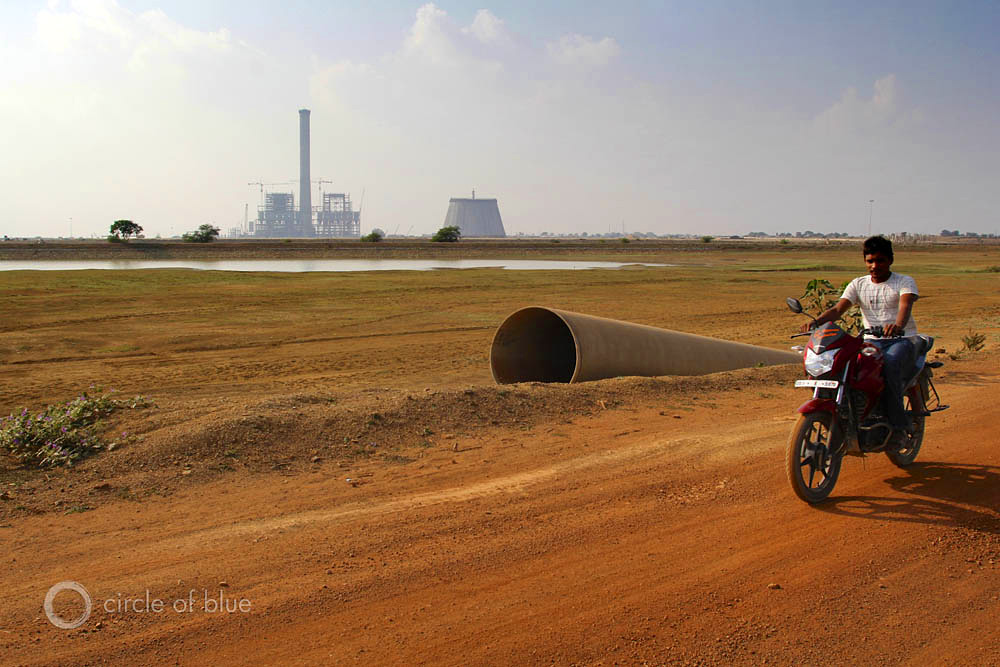
For two years, the Wilson Center and Circle of Blue have explored the contest for food, water, and energy in India and the troubling ways it plays out across the country. In part one of this series outlining our findings, we explained the basics of India’s natural resource management choke point.
-
World Water Day: A Wellspring for Sustainable Development
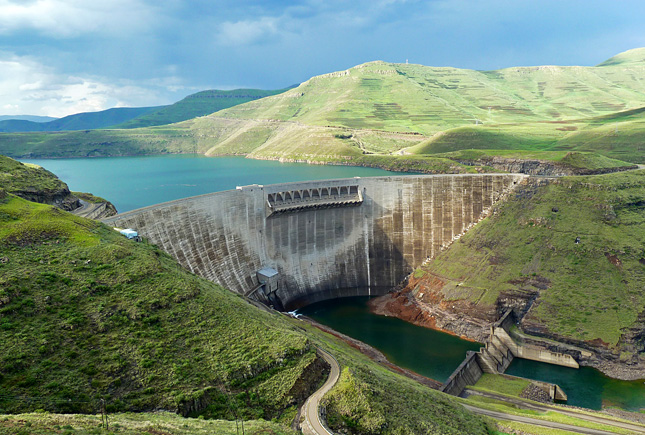
›This year’s World Water Day is taking on a broader theme than years past: sustainable development. The theme makes sense as two major international processes – the drafting of the Sustainable Development Goals to replace the Millennium Development Goals, and the most anticipated UN Climate Summit in years – are taking place in 2015. Decisions made over the next nine months will play a huge role in relationships between nations and global development priorities going forward.
-
India’s Growing Water Risks, Illustrated
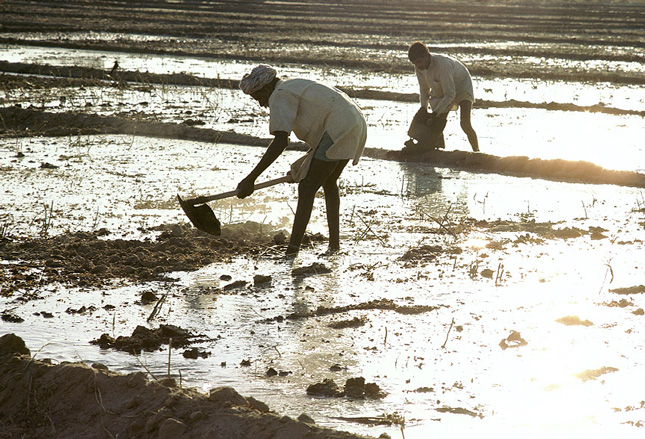
›Guest Contributor // March 3, 2015 // By Tien Shiao, Andrew Maddocks, Christopher Carson & Emma LoizeauxIndia is one of the most water-challenged countries in the world, from its deepest aquifers to its largest rivers. Groundwater levels are falling as farmers, new urban residents, and industries drain wells and aquifers. What water is available is often severely polluted, and the future may only be worse, with the national supply predicted to fall 50 percent below demand by 2030.
-
The Case for Better Aid to Pakistan: Climate, Health, Demographic Challenges Demand New Approach
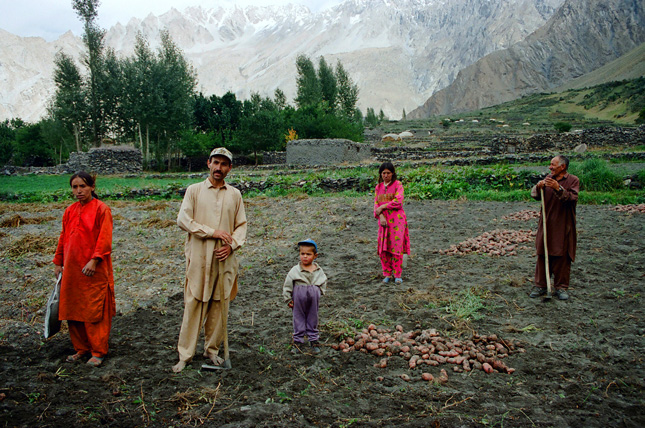
›March 2, 2015 // By Kate DiamondIn 2009, the U.S. Congress passed a five-year, $7.5 billion aid package for a country it had all but abandoned just 10 years earlier. Indeed, if one word can summarize the U.S. relationship with Pakistan, “volatile” might be it. Since the September 11 attacks, the U.S. has appropriated nearly $61 billion in aid to Pakistan – more than twice what it received since independence in 1947.
-
As Humanitarian Crises Multiply, Maternal Health and Safety of Women Becoming a Focus
›Accessing maternal health care is already a challenge in many countries, and when conflict erupts or a disaster strikes, it can get even worse, leaving millions of women on their own while at their most vulnerable, said Ugochi Daniels, chief of humanitarian response for the UN Population Fund (UNFPA). Women and girls also become more vulnerable to violence during times of crisis, she said, by virtue of nothing but their gender. [Video Below]
-
Are We Keeping up With Asia’s Urbanization?
›There is widespread agreement, and untold publications, that argue urbanization is the defining issue of our time. There are more cities, both large and small, and more people living in those cities than anytime in human history.
Showing posts from category sanitation.