-
For Environmental Peacebuilding and Development Work, Collaboration Pays Dividends
›
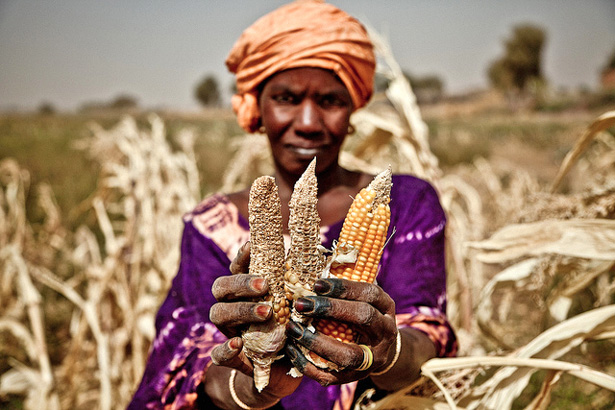
Many recurring problems in natural resource management are the result of missing a key point: ecosystems and human systems are inextricably linked and dynamic, changing constantly. We are part of a socio-ecological system, not external to it, as many previously thought. In the “age of man” – the Anthropocene, as some scientists call the current era – cross-sectoral collaboration is needed to make substantial headway in tackling complex challenges, such as natural resource-related conflict and climate change.
-
System Shock: To Prevent the Next Disaster, Change the Paradigm
›
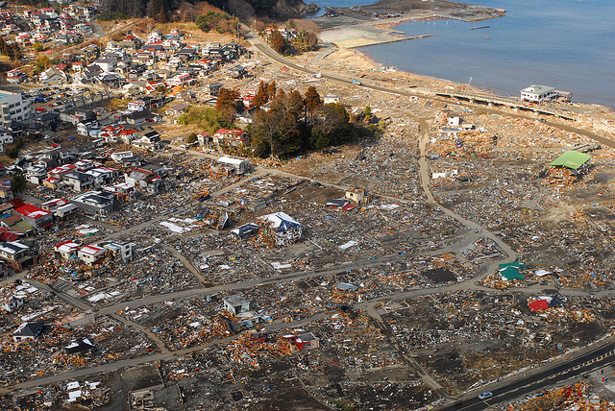
In the wake of natural disasters, the idea that systematic change might be needed to prevent future crises often takes a backseat to restorative efforts. But as disasters become more common, there is often a blurring of disaster response and development initiatives.
-
Bouncing Forward: Why “Resilience” Is Important and Needs a Definition
›As policymakers respond to the threat of climate and environmental change, the concept of resilience has found itself at the center of discussion. Few scientists and policymakers, however, can come to a consensus on how to define, evaluate, and build resilience.
-
Basket Case No More? Bangladesh’s Successes Portend Resilience in Face of Change
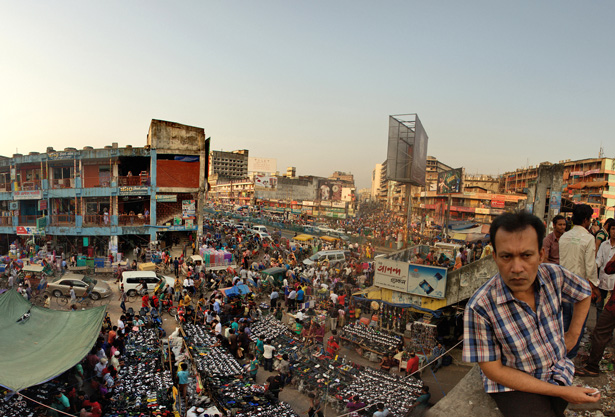
›This past December, Bangladesh turned 42, bringing the country Henry Kissinger once predicted would become a “basket case” into comfortable middle age (though perhaps this analogy breaks down for countries like Switzerland, age 722).
-
Susannah Fisher, International Institute for Environment and Development
In Nepal, Measuring Climate Change Resilience From the Community Up
›February 11, 2014 // By Wilson Center StaffThe original version of this article, by Susannah Fisher, appeared on the International Institute for Environment and Development.
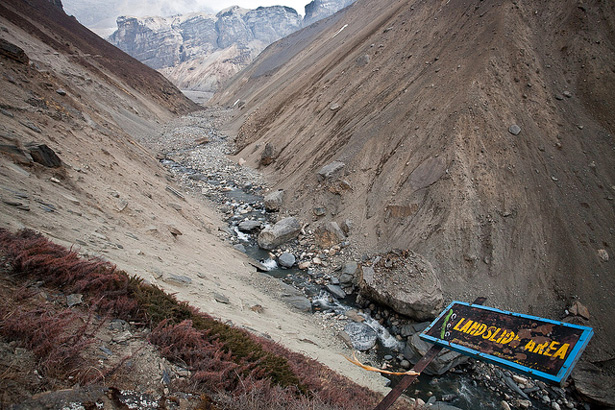
Nepal’s vulnerability to a warming climate became clear in May 2012 when the Seti River burst its banks during flash floods and landslides that killed more than 60 people. Scientists say such events are likely to become more common as the world warms, so communities need to adapt.
-
A. Tianna Scozzaro, Population Action International
Population Dynamics Are Crucial to Sustainable Development – So Why Isn’t Anyone Talking About Them?
›January 29, 2014 // By Wilson Center StaffThe original version of this article, by A. Tianna Scozzaro, appeared on Population Action International’s All Access blog.
For the past 11 months, a group of United Nations member states has been holding meetings seeking input on future goals for sustainable development once the Millennium Development Goals (MDGs) expire in 2015. Led by co-chair ambassadors from Hungary and Kenya, this Open Working Group of 69 countries has delved into topics ranging from governance to health and everything in between.
-
Ready for Change: Notre Dame Launches the Global Adaptation Index
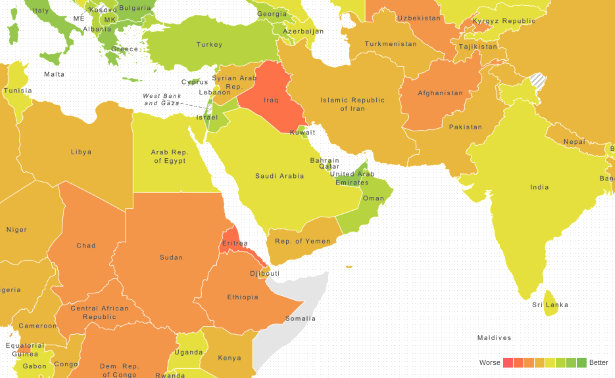
›In 2008 and 2010, the price of many basic food stuffs soared, sparking a series of riots and food crises around the world. People in the poorest countries – those living with the smallest margins – were most affected, while the economies of developed nations were able to absorb the price changes. According to Notre Dame’s Global Adaptation Index, how climate change will impact different countries depends not only on their vulnerability to physical changes, but also their ability to absorb these impacts. [Video Below]
-
Kirya: How a Village in Tanzania Shows the Challenge of Just Climate Adaptation
›In many parts of the world, climate change exacerbates existing inequalities – between men and women, rich and poor, landed and landless. Climate change responses, therefore, should carefully address these forms of vulnerability.
We hear this often, but in practice, it can be difficult to do.
Showing posts from category risk and resilience.