-
The New Middle Eastern Wars: To Protect Civilians, Protect Environmental Infrastructure
›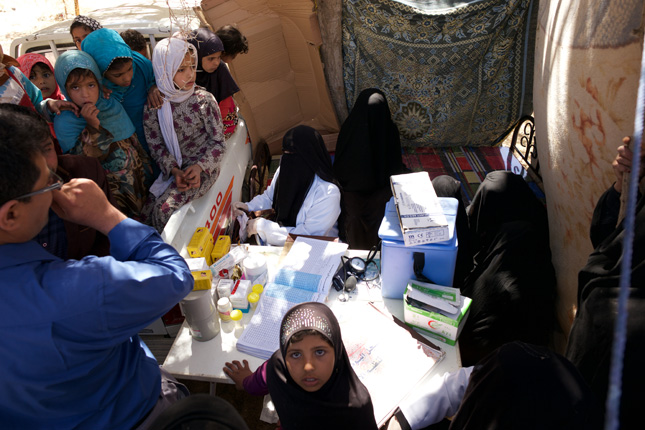
Six years of brutal warfare have destroyed basic infrastructure in Yemen, Libya, and Syria. While U.S. and European governments have been largely preoccupied with providing immediate assistance and dealing with refugees, international humanitarian organizations—such as the International Committee of the Red Cross and Doctors without Borders—are focusing on how to repair, maintain, and safeguard the facilities that provide essential services like clean water, sanitation, and electricity. Yet these efforts are hindered by lack of resources, protracted violence, and—most insidiously—by the warring parties’ intentional targeting of humanitarian actors and environmental infrastructure. Just as the extensive damage from hurricanes in the Caribbean and southeastern United States has underscored the need for more resilient infrastructure, the wars of the Middle East show that protecting infrastructure is key to protecting civilians caught up in conflict.
-
Crisis in Lake Chad: Tackling Climate-Fragility Risks
›
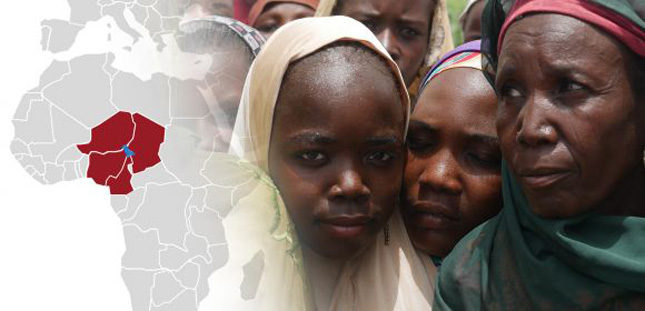
While attention in the United States is focused on the disasters in Puerto Rico and the Caribbean, a crisis across the Atlantic is rapidly becoming one of the worst humanitarian disasters since World War II. In the Lake Chad basin of West Africa, about 17 million people are affected by the emergency, struggling with food insecurity, widespread violence, involuntary displacement, and the consequences of environmental degradation. An estimated 800,000 children suffer from acute malnutrition; and although international donors pledged $672 million in February, the famine and humanitarian misery continues unabated. Suicide bombings and attacks by Boko Haram, which have killed at least 381 civilians since April 2017, have forced many people to leave their homes and farmers to leave their lands, interrupting livelihoods and reducing food supplies.
-
Devastation Can Foster Resilience: Interview With Roger-Mark De Souza
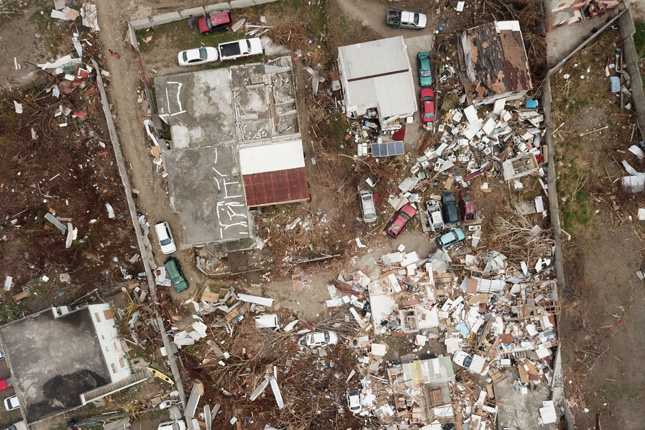
›October 10, 2017 // By Wilson Center StaffThe devastation in Puerto Rico is shocking: Half of the population, or 3.4 million people, lack drinking water and 95 percent are without electricity even two weeks after Hurricanes Irma and Maria.
-
Backdraft #9: Joshua Busby on Mapping Hotspots of Climate and Security Vulnerability
›Maps help us to grasp complex ideas, such as patterns of risk and vulnerability, but the stories they tell can have significant implications. “It’s very difficult to validate that what you’re capturing in the maps is representative of real-world phenomenon,” says Joshua Busby in this week’s “Backdraft” episode, describing his efforts to map climate and security hotspots in Africa and Asia. “You have to be modest in what you think the maps can tell policymakers, but also realize there is some seductive power in the way maps simplify complex reality.” -
To Fight Climate Change, Educate and Empower Girls
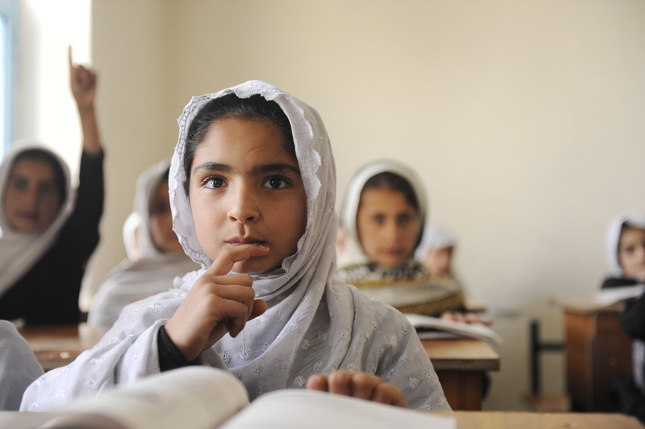
›Girls and women bear the brunt of climate change impacts. Natural disasters kill more women than men: an estimated 90 percent of those killed in some weather-related disasters were female. The effects of climate change on natural resources can also further exacerbate existing gender inequalities. Girls may be kept out of school to fetch water, as droughts drive them to walk farther and farther to find it. Seeking to stretch scarce household resources, families may marry off their daughters before the legal age and they may become more vulnerable to human trafficking after natural disasters.
-
Dealing with Disasters: Invest in Communities to Realize Resilience Dividends
›September 27, 2017 // By Roger-Mark De SouzaThe 1-2-3 punch of hurricanes Irma, Harvey, and Maria has made it devastatingly clear that extreme weather events can and will destroy families, interrupt livelihoods, and tear apart communities, particularly in coastal and low-lying areas of vulnerable regions like the Caribbean and the United States.
-
What Is Loss and Damage from Climate Change? First Academic Study Reveals Different Perspectives, Challenging Questions
›Following a series of recent devastating extreme weather events – mudslides in Sierra Leone, flooding in south Asia, and severe storms hitting the Philippines and the Gulf of Mexico, many have called attention to the role of climate change in these disasters. The string of Atlantic hurricanes that has devastated the Caribbean has prompted fresh calls to make nations and communities more resilient to the effects of climate change, and especially to address “loss and damage” in island nations.
-
Can Caribbean Islands Really Adapt to Extreme Hurricanes?
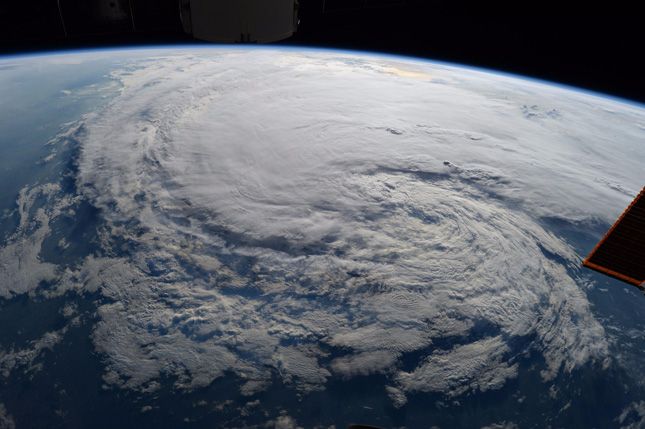
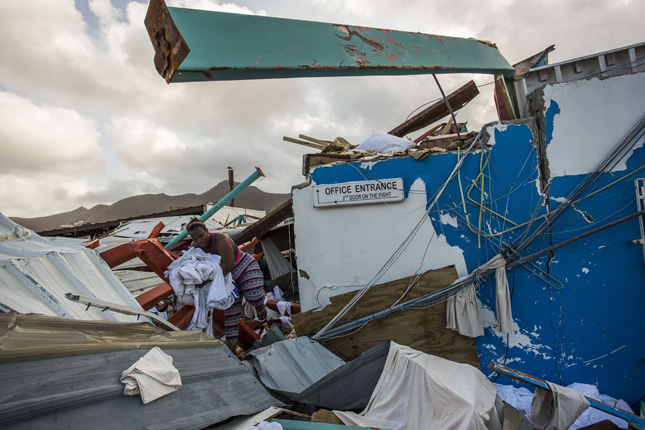
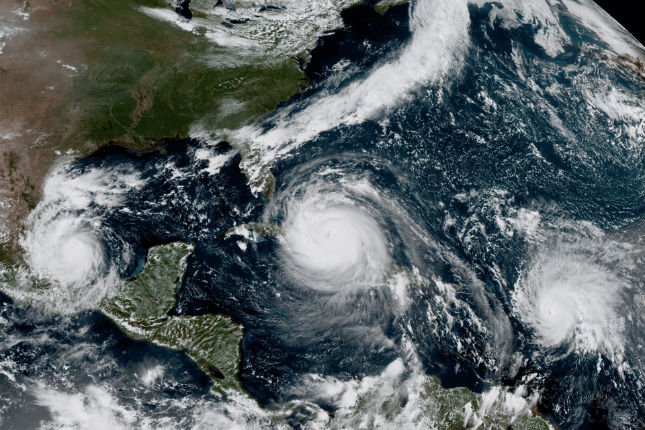
›“A monster”… “wreaking havoc”… “ripped through” the Caribbean and part of Florida: I heard these words as Hurricane Irma, the strongest Category 5 Atlantic hurricane on record, decimated the entire island of Barbuda and destroyed the four “most solid” buildings on St. Martin. And as I write this from the relative safety of Barbados, Hurricane Maria is on a similar path, leaving similar destruction in its wake. With winds of more than 160 miles per hour, Maria was the strongest storm to make landfall in Dominica. In a matter of hours, it devastated the country, regained its strength, and continued its onslaught on Puerto Rico and beyond.
Showing posts from category risk and resilience.
 Maps help us to grasp complex ideas, such as patterns of risk and vulnerability, but the stories they tell can have significant implications. “It’s very difficult to validate that what you’re capturing in the maps is representative of real-world phenomenon,” says Joshua Busby in this week’s “Backdraft” episode, describing his efforts to map climate and security hotspots in Africa and Asia. “You have to be modest in what you think the maps can tell policymakers, but also realize there is some seductive power in the way maps simplify complex reality.”