-
With Knowledge Comes Responsibility: A Conversation with Sylvia Earle on the Ocean
› “Having a planet that is suitable for us has taken a very long time, like four and a half billion years,” said Sylvia Earle, Explorer in Residence at the National Geographic Society, in a podcast interview with Ambassador David Balton before a recent Wilson Center event on marine protected areas. “It’s taken us about four and a half decades to significantly unravel, deplete, [and] modify those precious systems that really have little margin of error.”
 -
Fostering Citizen Enforcement and Rule of Law Could Cut Down Illegal Logging
›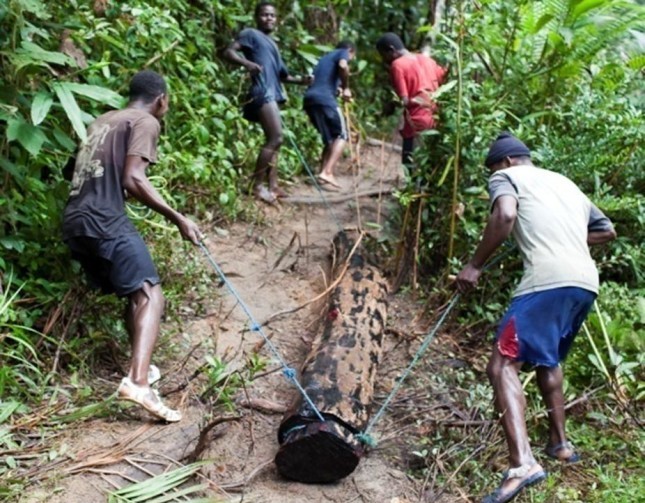
“The trade in illegal timber products—those harvested and exported in contravention of the law of the producer country—is entangled in corruption, conflict, insecure land rights, and poor governance,” said Sandra Nichols Thiam, Senior Attorney of the Environmental Law Institute. She moderated a panel titled “Citizen Enforcement in the Forestry Sector” hosted by the Environmental Law Institute that explored illegal logging within the forest sector. Illegal harvesting of timber accounts for roughly 50 percent to 90 percent of forest activities in major producing countries within the Amazon Basin, Central Africa and Southeast Asia, said Thiam. This illegal timber trade is estimated to be worth from $30 billion to 100 billion dollars annually. Dismantling this extensive illegal enterprise would help promote biodiversity conservation, climate mitigation, human rights and sustainable development.
-
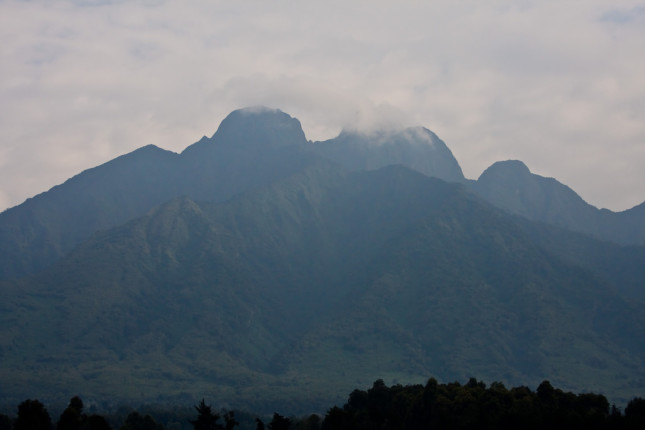
Missing Peace: Why Transboundary Conservation Areas Are Not Resolving Conflicts
›Transboundary Conservation Areas, such as Parks for Peace, have been heralded for their potential to simultaneously contribute to biodiversity conservation and peace, but evidence to this effect has been elusive. In fact, more indications suggest that transboundary conservation areas, including Parks for Peace, rely on pre-existing international peace between countries for formalization and on-going non-violent relations for continuity. Although they are primarily designed for ecological peace (based largely on arguments of ecological connectivity), they are not immune to environmental harms. Perhaps even more challenging is how “fortress conservation” and “green securitization” compromise social peace.
-
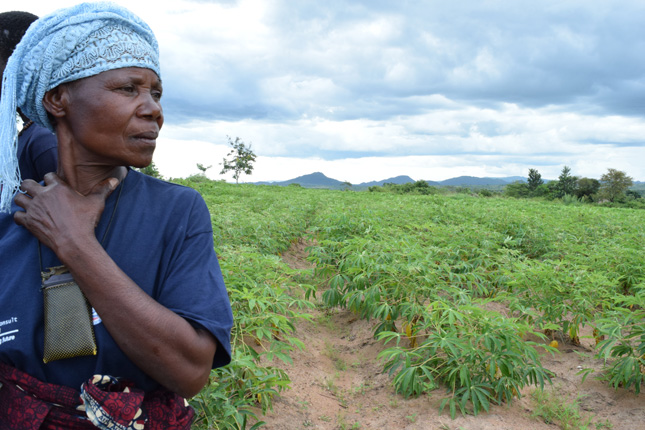
Reaching for Resilience in East Africa
›“Resilience isn’t an outcome, it is a process—and capacity-building is crucial,” said Chelsea Keyser, Deputy Chief of Party for USAID’s PREPARED program, during a recent event at the Wilson Center marking the end of the five-year project. PREPARED (Planning for Resilience in East Africa Through Policy, Adaptation, Research, and Economic Development) developed 14 different tools to help communities adapt to the impacts of the changing environment in the East African region, including unreliable rainfall and rising temperatures.
-
How Family Planning Can Help Save Cheetahs
›Conservationists and development practitioners may not have always seen eye to eye, but a new partnership between a cheetah conservation charity and a network of reproductive health NGOs is making the case for why these groups need to work more closely together.
-
Granting Rivers Legal Rights: Is International Law Ready for Rights-Centered Environmental Protection?
›Last year, four rivers were granted legal rights: the Whanganui in New Zealand, Rio Atrato in Colombia, and the Ganga and Yamuna rivers in India. These four cases present powerful examples of the increasing relevance of rights-centered environmental protection. Like corporations, which have legal rights in many jurisdictions, these rivers are rights-bearing entities whose rights can be enforced by local communities and individuals in court. But unlike corporations, these rights are not yet recognized in international treaties. Which raises the question: what are the implications of rights for nature for international environmental law?
-
China’s Ready to Cash In on a Melting Arctic
›Put simply, “the damn thing melted,” Navy Secretary Richard Spencer explained in recent testimony, referring to Arctic ice melt as the trigger for the new U.S. Navy Arctic Strategy that is to be released this summer. What the Navy planned as a 16-year road map is in need of updates after only four years, in part due to receding polar ice caps, which are “opening new trade routes, exposing new resources, and redrawing continental maps,” but also in part due to the rise of China as an “Arctic stakeholder” and increasing important player in the region.
-
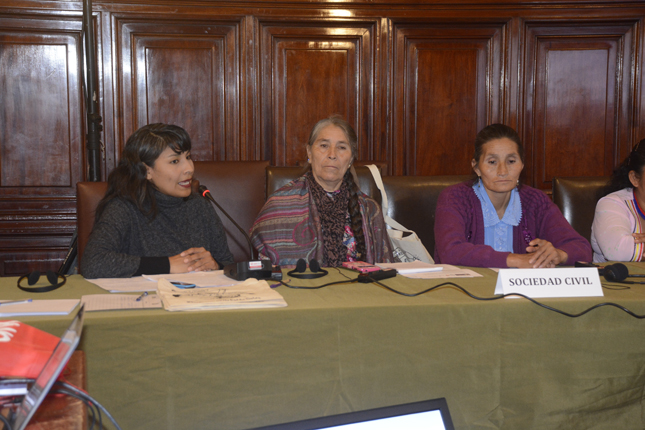
Another Deadly Year for Environmental Defenders, But Momentum Increases for Protecting Environmental Human Rights
›In 2017, four environmental activists were murdered every week on average—most of them in Latin America, and most of them targeted for protesting industries like logging or mining. These shocking numbers may finally start to taper off, if three new initiatives launched just this month are successful at protecting people’s right to a clean environment—and its defenders.
Showing posts from category protected areas.
 “Having a planet that is suitable for us has taken a very long time, like four and a half billion years,” said Sylvia Earle, Explorer in Residence at the National Geographic Society, in a podcast interview with Ambassador David Balton before a recent Wilson Center