-
Alex Evans, The Guardian
Addis Financing Summit Leaves Questions – Will the SDGs Provide Answers?
›July 24, 2015 // By Wilson Center Staff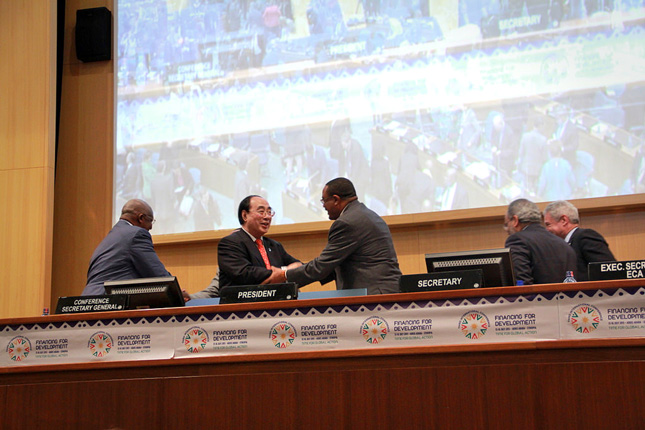
Start with the good news from this week’s finance for development conference in Addis Ababa: at least it got the narrative right.
-
50 Years of Family Planning at USAID: Successes, Political Challenges, and Future Directions
›
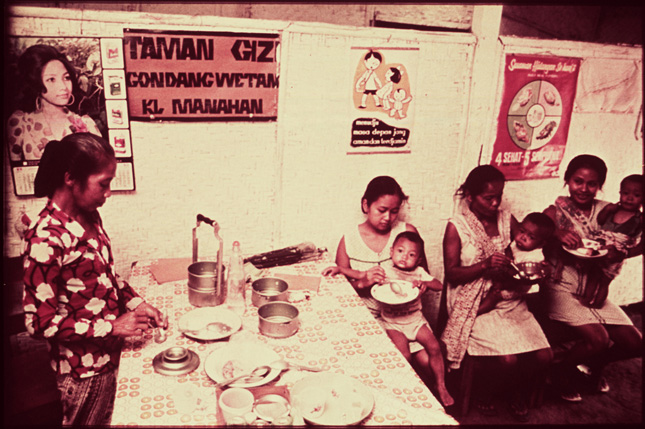
Since President Lyndon B. Johnson created the USAID population program in 1965, it has evolved in tandem with the global discourse on population and demography. “The agency’s family planning program is as relevant today as it ever was, and is necessary,” said Jennifer Adams, deputy assistant administrator of the U.S. Agency of International Development’s Bureau for Global Health. The bureau houses the Office of Population and Reproductive Health, which implements U.S. development and relief efforts to expand access to modern contraceptives, fight HIV/AIDS, reduce unsafe abortions, and protect the health of women and children. [Video Below]
-
Karachi’s Heat Wave a Sign of Future Challenges to Pakistan’s Fragile Democracy
›Karachi, the world’s second largest city by population, is emerging from the grips of a deadly heatwave. A persistent low pressure system camped over the Arabian Sea stifled ocean breezes and brought temperatures in excess of 113°F (45°C) to the city of 23 million people in June. The searing heat disrupted electricity and water service, making life nearly unbearable. All told, officials estimate the heatwave killed at least 1,200 Pakistanis, more than twice as many as have died in terrorist attacks this year.
-
Parson Rambinizandry and Marie Williamson, Blue Ventures
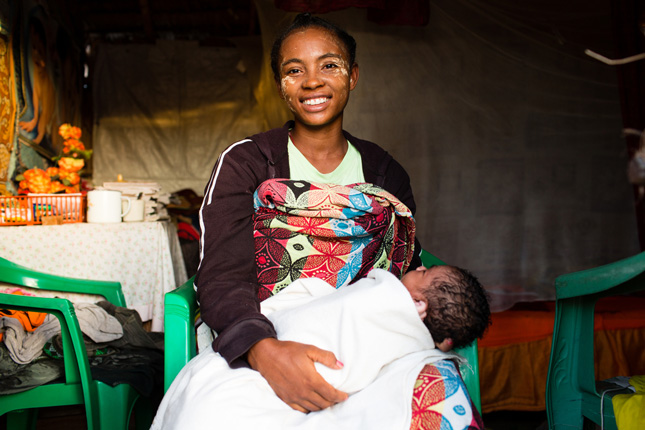
Conservation Organization Helps Women Bring Health Care to Rural Madagascar
›Two months ago we sat down with some of our community health workers to brainstorm ideas for International Women’s Day. What would engage women, what could bring about positive change in their community? Something different to the normal celebrations, perhaps a petition for a midwife? This seemed like a great idea on paper, but would it create false hope in a village where the public health center has been closed for years?
-
Pope Francis’ Encyclical Calls for Integrated Development – Just Don’t Say “Reproductive Health”
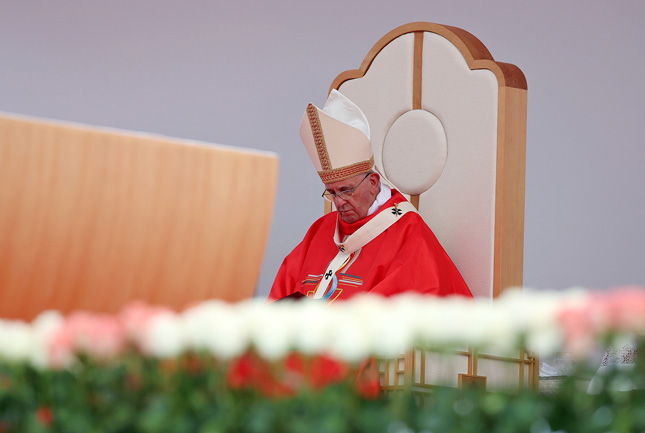
›Pope Francis sparked worldwide discussion and jubilation among many green advocates after releasing Laudato Si, the first Papal encyclical to focus directly on the environment. The pontiff touched on everything from pollution and sustainable development, to anthropogenic climate change and water security in his 180-page missive.
-
Alexander Carius: To Promote Cross-Sectoral Collaboration, Put Resilience at the Forefront
›With dangerous levels of climate change already in the pipeline, countries across the world are tasked with adapting to a drastically changing Earth. The Wilson Center and a consortium of international partners recently released an independent report commissioned by the G7 that examines the risks to stability from climate change.
-
De Souza: In Era of Man, Demography Needs to be Part of Environmental Security Discussion
›A new article from the Wilson Center’s own Roger-Mark De Souza explores how population trends can bolster community resilience in the face of climate change and other security threats. De Souza argues that demographic trends such as age structure help determine how well a population is able to respond to and bounce back from shocks, especially environmental ones like drought and famine.
-
From One Generation to the Next: New Wilson Center Film Explores Integrated Development in Ethiopia
›June 17, 2015 // By Sean PeoplesOn a warm January afternoon, Tesema Merga, a village elder in Endibir, Ethiopia, surveyed the latest improvements to the long dirt road just outside his house. Eventually this road will be paved, which will bring significant changes to the community.
Showing posts from category poverty.