

-
New Research Links Water Security and Economic Growth
›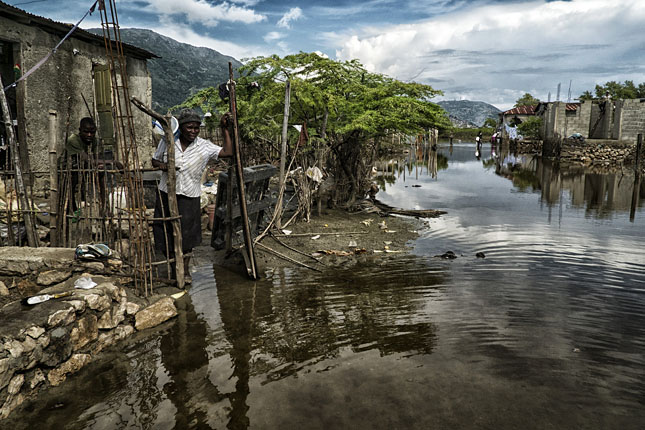
While it is intuitively clear that economic growth is related to water security – understood here as both water availability and also exposure to water-related risks such as drought and floods – there has been very little empirical evidence of this relationship to date.
-
The SDGs Are All About Integration – Good Thing PHE Programs Have Been Doing That for Years
›
Last week, the United Nations concluded one of the last negotiations on the road to adopting the Sustainable Development Goals in September. We’ve entered the home stretch of a process that has taken more than two years, bringing governments, civil society organizations, and communities together to define the development goals and targets that UN member states will be expected to aim for over the next 15 years.
-
Who Benefits From REDD+? Lessons From India, Tanzania, and Mexico
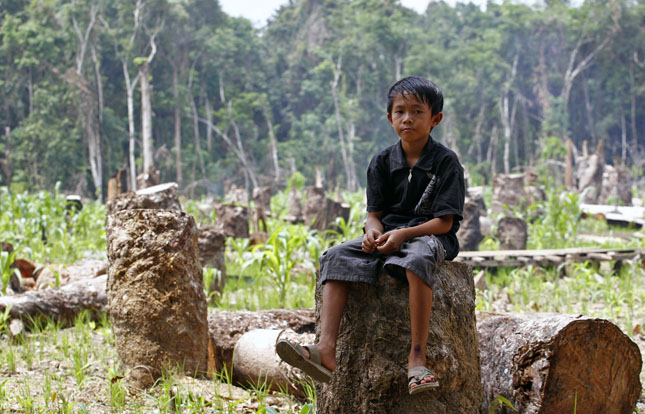
›REDD+, a global framework designed to reward governments for preserving forests, has pledged nearly $10 billion to developing countries. But minorities, indigenous people, the poor, and other marginalized groups that live in forest areas often end up paying more than their fair share of the costs of environmental cleanup and conservation while getting less in return. What can be done to change this?
-
In Search of Higher Returns: Can Extractive Industries Help Build Peace?
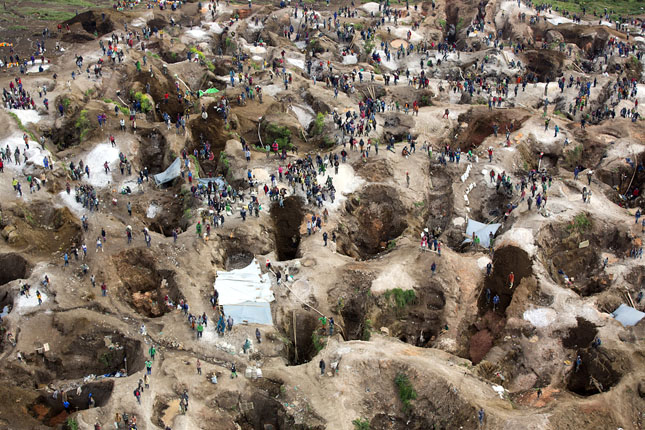
›August 3, 2015 // By Carley ChavaraIf you’re a government pondering the development of newly discovered natural resources, how do you avoid the so-called “resource curse” – the tendency of high value extractive resources, like oil, gas, or minerals, to, instead of prosperity, bring corruption, entrenched poverty, and even violence?
-
Running Faster to Stand Still: New UN Population Projections Point to Challenges Ahead for SDGs
›July 29, 2015 // By Schuyler NullIn most parts of the world, population growth is stagnant, even declining slightly, part of a decades-long and nearly universal shift towards smaller, healthier families. But the places where growth is still rapid continue to defy expectations about when they will “catch up.”
-
Turning the Climate-Security Problem on Its Head: Geoff Dabelko Talks G7 ‘Climate for Peace’ Report
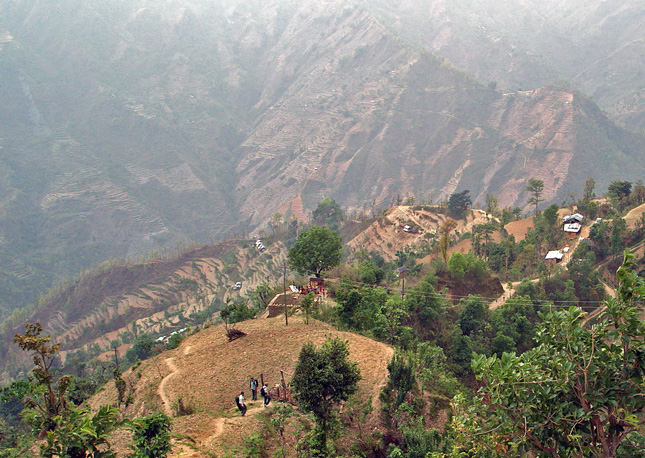
›Conversations around climate change often take place at the “30,000-foot level,” said Ohio University Professor and ECSP Senior Advisor Geoff Dabelko in a recent radio interview with WOUB Public Media, based out of Athens, Ohio. Emission reductions, carbon concentrations, global temperatures. But a certain amount of change is already baked into the system and impacts are playing at in different ways around the world already. -
How Successful Were the Millennium Development Goals? A Final Report
›July 28, 2015 // By Josh FengEarlier this month, the United Nations released a final report on the Millennium Development Goals (MDGs), the framework that has guided global development efforts for the last 15 years. The document examines each of the eight MDGs and finds that “despite many successes, the poorest and most vulnerable people are being left behind.” As one of the first global poverty reduction movements nears its end, the report calls for better data collection practices to create a post-2015 development agenda that can overcome the MDG’s shortcomings.
-
Lauri Romanzi on Rethinking Maternal Morbidity Care in a Historical Context
›In May 1855, Dr. James Marion Sims opened the first obstetric fistula hospital in New York City. Just 40 years later, it closed, reflecting a sharp decline in maternal morbidity rates in the United States and other Western countries. The Waldorf Astoria Hotel now stands on the site of the former hospital. “We know that we have eradicated obstetric fistula in high income countries; it happened at the turn of the 20th century,” says Dr. Lauri Romanzi, project director of Fistula Care Plus, in this week’s podcast.
Showing posts from category poverty.

 Conversations around climate change often take place at the “30,000-foot level,” said Ohio University Professor and ECSP Senior Advisor Geoff Dabelko in a recent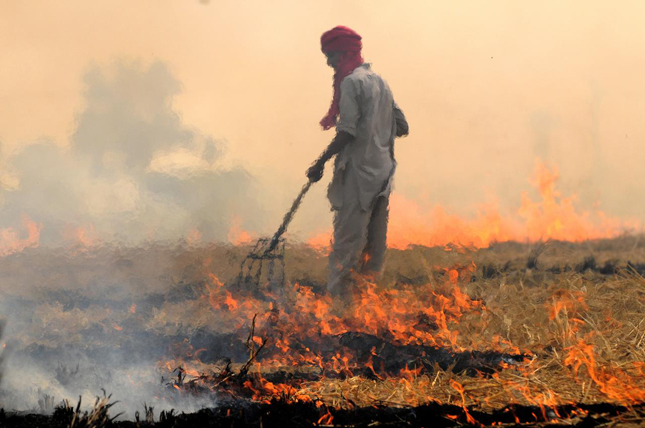
 In
In 

