

-
Roudabeh Kishi, ACLED Project
The Effect of Inequality on Conflict in Africa
›September 16, 2015 // By Wilson Center Staff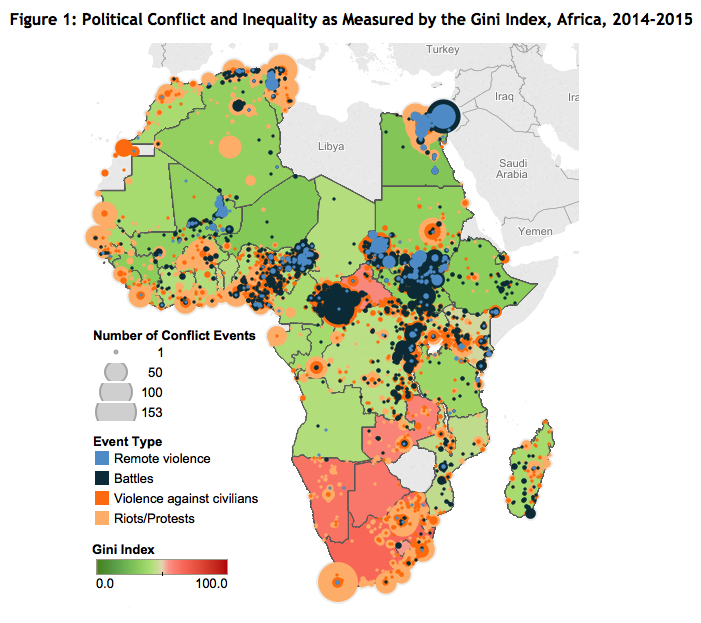
Many have noted inequality as fuel for conflict. It can serve to exacerbate grievances amongst those who have less within unequal contexts, which can in turn serve as a mobilizing factor in fueling violence. Alternatively, it can make the “prize” of conflict larger – within the most unequal societies, the poor have less to lose and more to gain.
-
As Droughts, Floods, Die-Offs Proliferate, “Climate Trauma” a Growing Phenomenon
›September 9, 2015 // By Carley Chavara
According to recent polling, climate change is seen as the single most threatening international challenge around the world, and there’s evidence that all that worry is taking a psychological toll. Adding to droughts, floods, extreme weather, and die-offs, psychologists are observing higher levels of anxiety, depression, and post-traumatic stress disorder in certain areas and professions. Even people who do not actively stress about global warming or view it as a major threat may still suffer psychological trauma from its effects.
-
John Furlow on Better Coordination for Better Climate Adaptation
›“We [need to] stop treating ‘adaptation’ like a sector,” says John Furlow, climate change specialist at the U.S. Agency for International Development (USAID), in this week’s podcast, “but start treating it as a stress or a risk that undermines the development sectors, the environmental sectors, the social sectors that we care about.” -
Angola’s Oil-Soaked Kleptocracy Is an Empire Built on Inequality
›August 26, 2015 // By Josh FengIsabel dos Santos, the daughter of Angolan President José Eduardo dos Santos and the richest woman in Africa, owes her wealth to the oil industry. Delfina Fernandes, a woman living in abject poverty in the village of Kibanga, uses gasoline as an anesthetic to dull the sheering pain of her rotting teeth.
-
Conservation in Conflict Zones: Protecting Peace and Biodiversity in Colombia
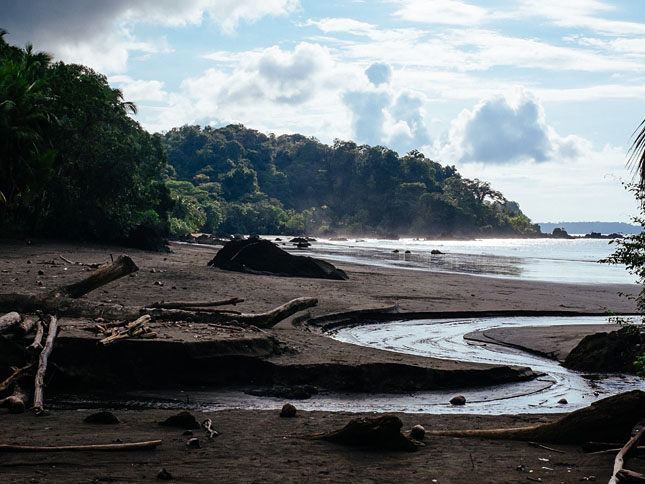
›With a new peace process underway between the Colombian government and leaders of the Revolutionary Armed Forces of Colombia (FARC) in Cuba, the spotlight is back on this long-troubled South American country. But decades of civil conflict have overshadowed an incredible fact: Colombia is among the four most biologically diverse countries on Earth.
-
Development in U.S. and Canadian Arctic Not Only About Oil and Gas, But Providing for People
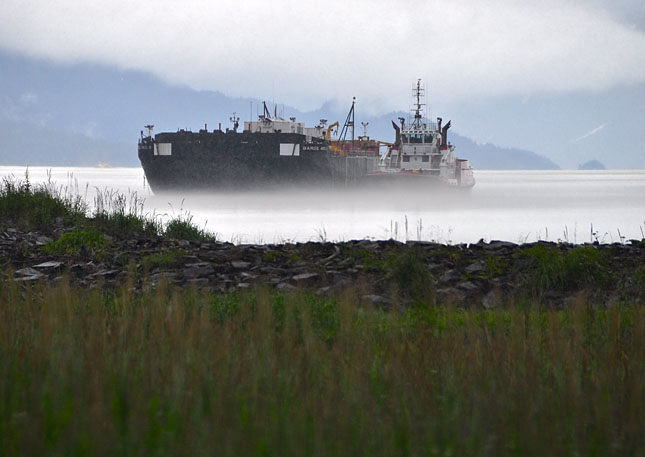
›Opportunities for research, enterprise, and exploration in the Arctic are expanding as climate change renders the northernmost reaches of the globe more accessible – and visible – than ever before. Often overlooked, however, are the people who actually live there. Four million people make their home in the resource-rich Arctic, where developers and policymakers are staking growing claims. [Video Below]
-
Build It and They Will Come: New Approaches to Eliminating Fistula and Other Maternal Morbidities
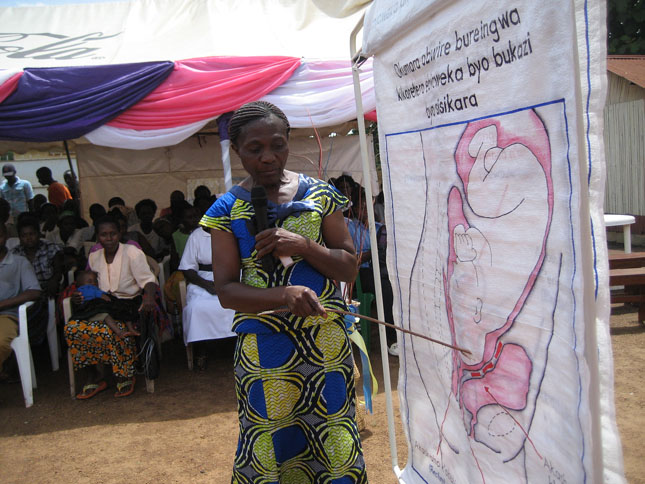
›Obstetric fistula and pelvic organ prolapse are two common maternal morbidities that impact thousands of women in developing countries each year but are often overshadowed by maternal mortalities. Obstetric fistula, a hole in the birth canal caused by obstructed labor, affects between 50,000 and 100,000 women each year, mostly in developing countries. Pelvic organ prolapse, which occurs when a woman’s pelvic organs slip out of place, is 10 times more common, according to Dr. Lauri Romanzi, who spoke at the Wilson Center on July 14. [Video Below]
-
Providing for the Periphery: Anthony Speca on Development for Canada’s Resource-Rich Nunavut
›Rich in natural resources, poor in nearly every human development indicator. The description applies to many of the most-conflict ridden states in the world, but also to a region often forgotten in global development circles: the Arctic North.
Showing posts from category poverty.
 “We [need to] stop treating ‘adaptation’ like a sector,” says John Furlow, climate change specialist at the U.S. Agency for International Development (USAID), in this week’s podcast, “but start treating it as a stress or a risk that undermines the development sectors, the environmental sectors, the social sectors that we care about.”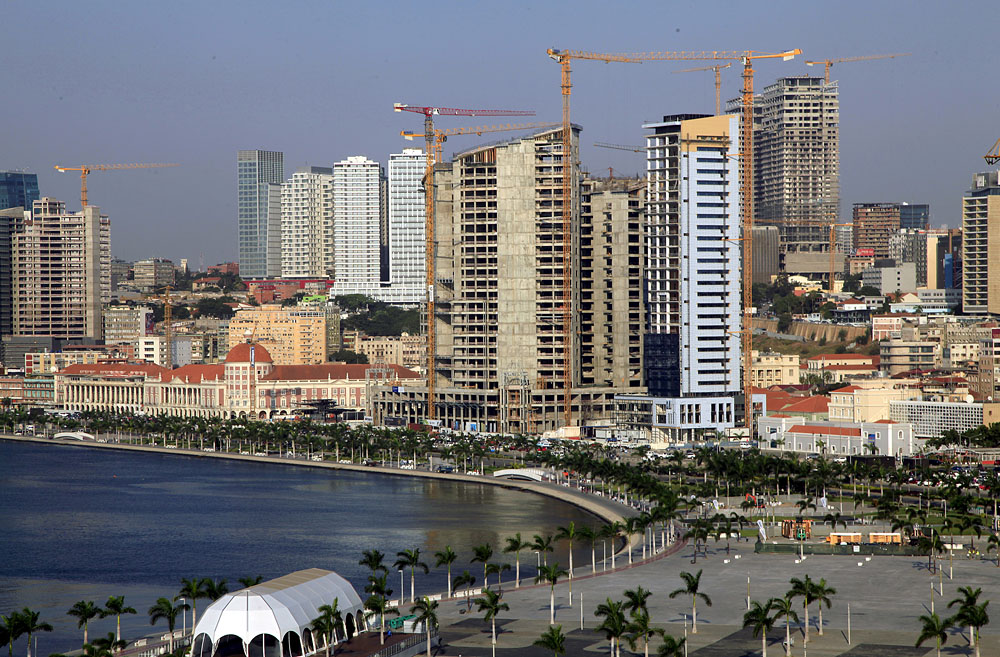
 Rich in natural resources, poor in nearly every human development indicator. The description applies to

