-
Solving Municipal Solid Waste Management Challenges in Arctic Cities
›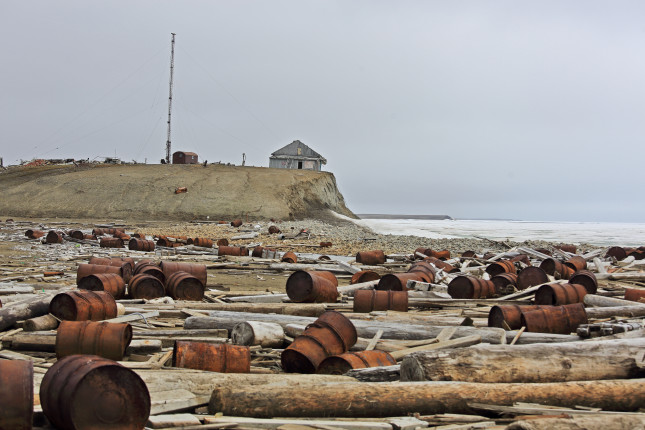
The Arctic was once untouched and pristine. However, over the years, the polar environment has experienced ecological damage caused by extensive resource exploration, military activities, and contamination from sources originating outside of the region. The extent and implications of the human-induced pollution legacy are still awaiting comprehensive estimation, measures, and solutions.
-
A U.S. Nonprofit Aims to Reduce Emissions of a Super Climate Pollutant from Chemical Plants in China
›
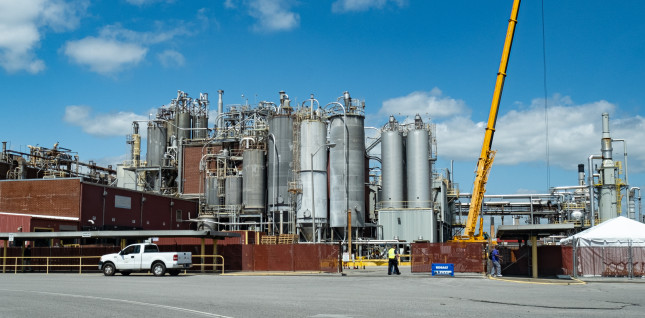
A new initiative by the Climate Action Reserve, a nonprofit organization based in Los Angeles, could play a significant role in curbing emissions of a potent climate pollutant from chemical plants in China while filling a gap in international climate agreements and China’s environmental regulations.
-
Environmental Management: A Critical Tool for Environmental Peacebuilding
›On July 28, 2022 the United Nations General Assembly (UNGA) voted—by a count of 161 in favor, with 8 abstentions — that living in a clean, healthy, and sustainable environment is a human right. Building on the similar declaration by the UN Human Rights Council in October 2021, the UNGA has now reinforced the notion that the growing assaults on human health through environmental hazards are transgressions against the basic rights and freedoms of people.
-
Fighting the Flood of Nurdles: Texas Fisherwoman takes on Taiwan Plastic Company
›Over decades, billions of small lentil-sized plastic pellets, called nurdles, flooded out of the wastewater pipes of Formosa Plastic’s plant in Calhoun Texas into the Gulf of Mexico. For decades, Diane Wilson, a fourth-generation fisherwoman in a rural fishing town called Seadrift, has been tracking and collecting data on the company’s nurdle pollution. In 2019, after three years of constant sampling, she and her scrappy volunteers won a dramatic legal victory with a consent decree mandating 50 million in penalties for past pollution and fines if they do not clean up previous pollution or maintain zero discharge of plastic.
-
The Powerful Policy Ripples of Washington State’s CETA
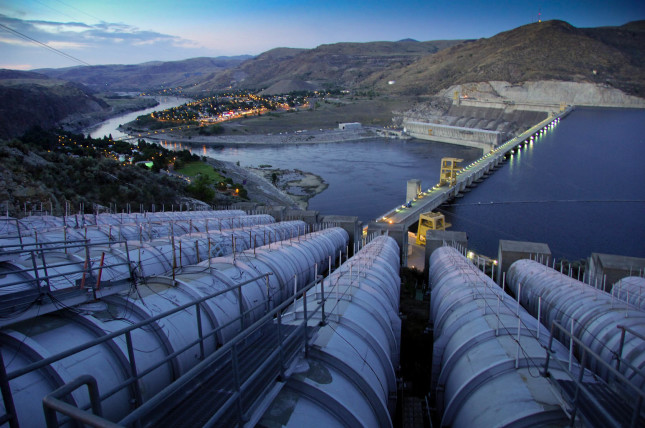
›States are sometimes overlooked as drivers of climate action, yet some of them have been true leaders that bring significant influence. In Washington State, for instance, a strong coalition has worked to develop a smart, foundational climate policy for decarbonization in all sectors of the state’s economy.
-
Greenhouse Plastic Boom Blights Vietnam’s Vegetable Basket
›China Environment Forum // Guest Contributor // Vulnerable Deltas // June 30, 2022 // By Govi Snell & Thinh DoanCam Ly landfill was, until it was shut down in 2020, the primary dumping ground for the city of Dalat. A hilltop locale 5 kilometers from central Dalat, the landfill was the final destination for the majority of plastic used in agriculture in Vietnam’s Central Highlands region. But in August 2019, heavy rain prompted an outpouring of trash, sending plastic sheeting from greenhouses and untreated agrichemical bags and bottles rushing downhill. The incident covered lowland farms in thousands of metric tons of waste. -
The Zero-Waste School Movement Is Finding Its Stride In Vietnam
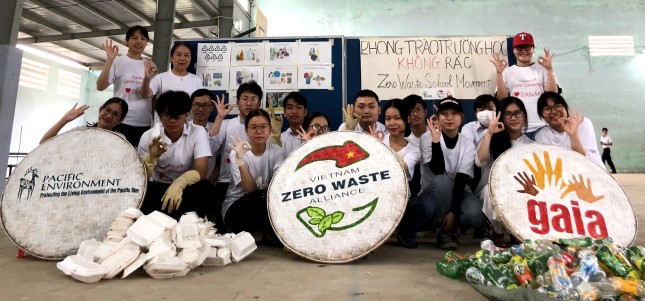
›During February’s Lunar New Year holiday, Vietnam Zero Waste Alliance coordinator Xuan Quach and her family were returning home to Thai Binh. When they were halfway home, Xuan’s brother nonchalantly tossed a plastic bottle out the window. Xuan opened her mouth to chide her brother, but was surprised when her niece scolded him, “Dad! Don’t contribute to plastic pollution!” Xuan grinned, knowing that all of her hard work educating the public about the dangers of plastic waste was paying off.
-
The Climate Solutions That Play Double-Duty
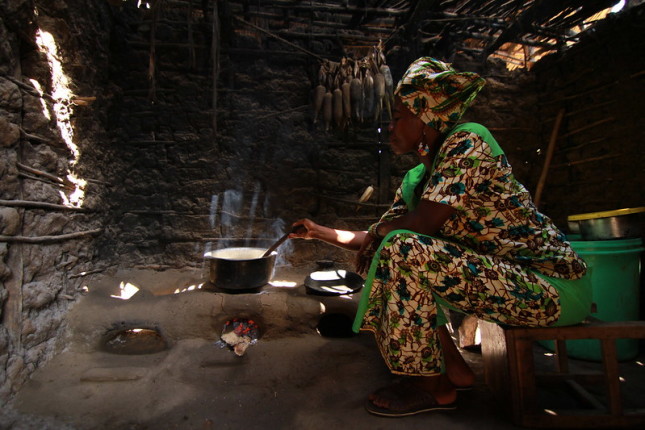
›Finance for climate action is growing—however, much of this money is being invested in wealthier nations, while the regions where funds are needed most are often overlooked and underfunded by both public and private institutions. The good news for funders is that there are climate solutions that not only significantly reduce greenhouse gas emissions, but also create cascading social and public health benefits for communities on the frontlines of the climate crisis. For those looking to get the biggest return on their investment—for both people and planet—we offer two particularly promising solutions: ramp up funding for clean cooking and electricity where they matter most.
Showing posts from category pollution.