-
ECSP Weekly Watch: April 1 – 5
›
A window into what we are reading at the Wilson Center’s Environmental Change and Security Program
Indonesia’s Deforestation Intensifies Extreme Weather Impacts (Associated Press)
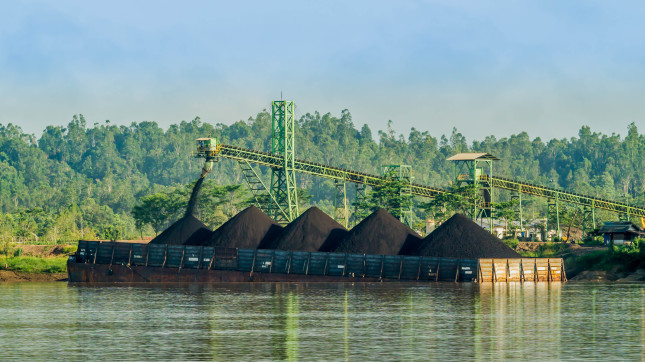
Indonesia’s vast biodiverse forests have long sustained livelihoods, food supplies, medicine, and cultural practices. Yet the past seven decades have put them under threat. Since 1950, over 74 million hectares, or nearly 286,000 square miles, of rainforest has been logged, burned, or degraded. The country’s key industries—palm oil, paper, rubber, and mining for oil and critical minerals—are largely to blame. This is occurring in a specific context: Indonesia is not only one of the largest global CO2 emitters globally, but it is also highly vulnerable to climate change—particularly climate change-induced extreme weather events.
-
ECSP Weekly Watch | March 18 – 22
›
A window into what we are reading at the Wilson Center’s Environmental Change and Security Program
WMO Says 2023 Saw Record Heats (World Meteorological Organization)
In a new report, the World Meteorological Organization (WMO) revealed that records for greenhouse gas levels, surface temperature, ocean heat & acidification, sea level rise, Antarctic Sea ice cover, and glacial retreat were smashed over the past year. The State of the Climate study also confirmed that 2023 was the warmest year on record, with temperatures 1.45 degrees Celsius above pre-industrial levels. The WMO also noted that the past decade marked the warmest 10-year period on record.
-
Who Should Pay for Soil Contamination in China?
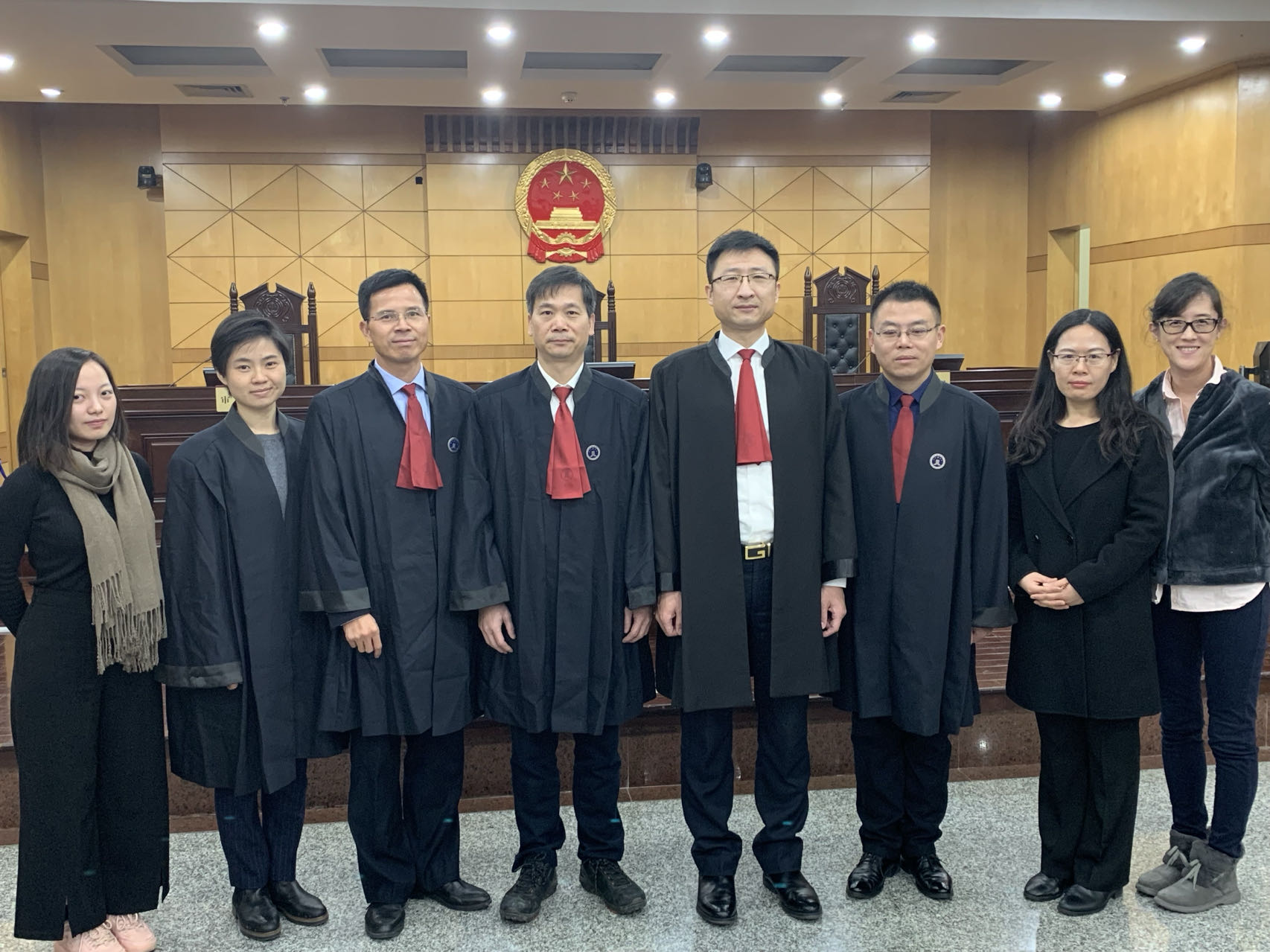
›On April 18, 2016, I was on the train with my Friends of Nature (FON) colleagues for a work trip when a shocking piece of news erupted on social media: hundreds of students in Jiangsu Province fell ill after moving into a newly built middle school. Reported symptoms included itchy skin with rashes and lesions, coughing, and a decline in white blood cell count. Students and parents later learned that their beautiful new school was built next to a contaminated site, previously home to three chemical manufacturing facilities, the largest of which had produced pesticides for decades. After these companies closed, a company contracted by the local government to clean up the site failed to properly collect and dispose of toxins in the soil. These toxins leaked into the air and sickened the students.
-
Igniting a Reuse Revolution in China’s War Against Plastic Waste
›Food takeaway has become a symbol of urban lifestyle convenience in China, but the resulting single-use plastic (SUP) waste has become a costly environmental and economic burden. In 2020, urbanites ordering on food delivery apps generated 37 billion SUP containers and a small fraction was recycled. According to a report by Pacific Environment, 88.5% of SUP waste in China is landfilled, incinerated, or leaked to the environment. Food and beverage packaging is the number one contributor to China’s SUPs.
-
“Radioactive Fish” and Geopolitics: Economic Coercion and China-Japan Relations
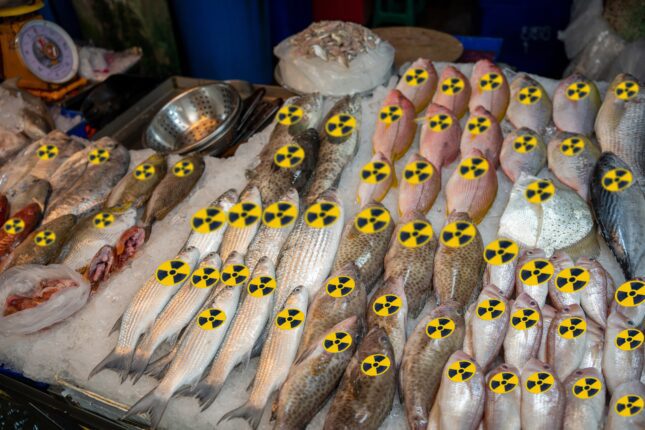
›On the same day Japan began wastewater releases from the Fukushima nuclear power plant in late August 2023, the website of China’s customs agency announced the country would “completely suspend the import of aquatic products originating from Japan.”
-
Water Cooperation and Scientific Networks: A Work of Passion
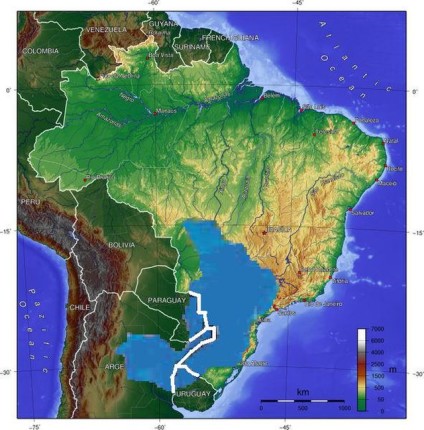
›Groundwater is relied upon for roughly half of global drinking water. And as climate change alters precipitation patterns and pollution of surface water continues to increase, our collective dependence on groundwater is likely to increase.
Getting ahead of the potential conflicts, or in some cases, catching up with them, requires an increase in effective groundwater cooperation and diplomacy. Yet the vast majority of transboundary aquifers exist without any form of agreement among the states that share them. This state of affairs leaves the aquifers—and the people who rely upon them—vulnerable to overexploitation, environmental degradation, and the risk of interstate conflict.
-
PFAS ‘Forever Chemicals’ Harming Wildlife the World Over: Study
›This article, by Sharon Guynup, originally appeared on Mongabay.
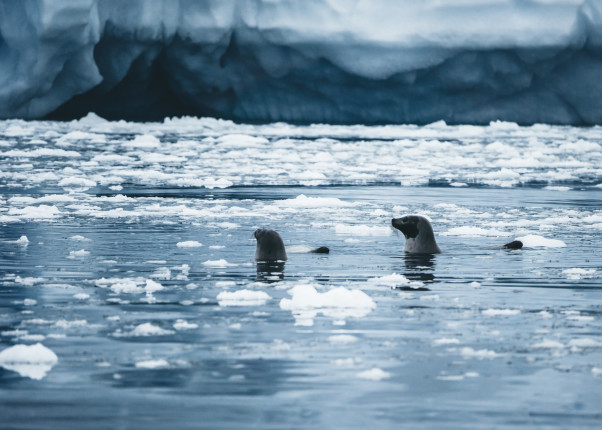
In Hawaii and elsewhere in the North Pacific, few hatchlings are emerging from the nests of endangered hawksbill and green sea turtles. In Wisconsin, some tree swallows have failed to produce offspring. In California, infectious diseases are now more common in southern sea otters. In Michigan, bluegills are swimming slower. In the Arctic, some hooded seals and their pups have thyroid problems. And in North Carolina’s Cape Fear River, American alligators have been found with lesions and unhealed, infected wounds.
-
China’s Belt and Road Initiative: Powering a Low or High Carbon Future?
›China Environment Forum // Guest Contributor // Vulnerable Deltas // September 28, 2023 // By Chuyu LiuChina’s Belt and Road Initiative (BRI) can significantly affect the country’s domestic and overseas energy transition and decarbonization agenda. Electricity projects in China’s BRI investments, contrary to popular impressions of being part of a monolithic “project of the century,” have divergent implications for the host country’s shift away from coal-based power plants.
Showing posts from category pollution.