-
Local Environmental Governance to Reduce Conflict and Deforestation in Afghanistan
›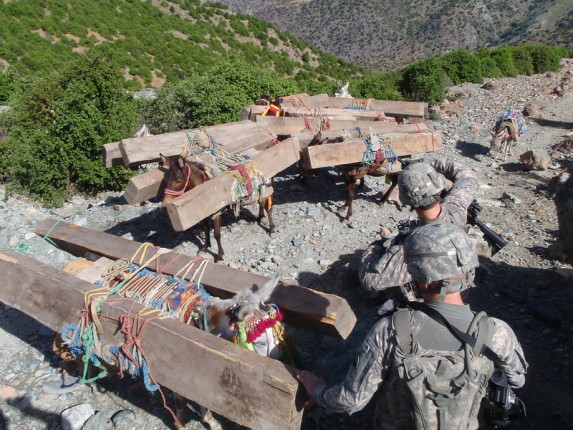
How should the international community support the stabilization of Afghanistan after U.S. and NATO troops withdraw? Answers from President Biden, high ranking U.S. administration officials, and lawmakers have focused on funding the Afghan military and police and remotely retaining U.S. lethal capacity. Development aid is mentioned only in the vaguest of terms. But as withdrawal plans solidify, peace and resilience against insurgencies urgently require the administration to shift the focus to development and include support for local environmental governance. Looking at how crucial forests are to Afghanistan’s local economy and governance systems, we sketch the resource-conflict links and propose possibilities for local, environmental governance that the international community could support to quell insurgency and build the political, economic, and environmental foundations for peace in the country.
-
A Conflict Prevention Agenda Should Inform Climate Change Actions in Africa
›
In Africa, climate change and population expansion are increasing fragilities and vulnerabilities—including contributing to conflict dynamics—for many people who directly depend on nature. To cope with how their environment can no longer supply livelihood needs, people are migrating in search of security or economic stability. These factors interact with one another in ways that underline the need for inclusive conflict mitigation considerations in climate change action.
-
The Third Wave of Environmental Peacebuilding
›For most of 2020, news, politics, policy, and research in the United States and abroad were dominated by the challenges posed by COVID-19, a rapidly unfolding global pandemic unprecedented in scale and cost. For much of the world, however, COVID-19 in fact competed with many other highly destructive events including a cascade of environmental disasters. Swarms of locusts pushed much of the Horn of Africa into or close to famine; 30 severe storms including Hurricanes Iota and Eta battered the Atlantic coasts; some 4 million acres of forest burned to the ground in California, doubling the previous high reached in 2018; typhoons ravaged the Philippines; floods overwhelmed parts of Indonesia; and many regions around the world experienced devastating heat waves. In addition to disaster patterns, the trends in violent state conflict were equally alarming, reaching their highest level since the end of World War II, according to a 2020 report on conflict trends from PRIO. In the most violent conflicts, in Syria and Yemen, the impacts of war have been amplified and complicated by the impacts of drought and years of environmental mismanagement.
-
Climate Change Front and Center in U.S. and Brazil Relations in Biden-Bolsonaro Era
›As the warm relationship between U.S. President Donald Trump and Brazil President Jair Bolsonaro comes to an end with the former’s electoral defeat in November 2020, the next two years (Bolsonaro is up for reelection in 2022) could prove to be strenuous for the bilateral relations of the two largest economies in the Western Hemisphere. President-elect Biden has signaled that combatting climate change will be a priority in his administration. Now, without the cover of a U.S. administration that denies climate change, Brazil could become further isolated in international environmental politics. All of this complicates the political realities for President Bolsonaro, whose political survival depends on maintaining his coalition of fanatical supporters, the agricultural sector, and former and current members of the military. Still, given U.S. concerns about Chinese influence in the region, the Biden-Bolsonaro relationship could prove to be low-key and practical.
-
Collaborating Across Borders: Young Professionals in the Middle East Tackle Region’s Water Issues
›November 3, 2020 // By Leah EmanuelHer triangular computer mouse finds the blue circular logo with the white camera on the bottom of her screen. She hovers over it for a second, taking a deep breath before clicking on the icon. Remembering the last program meeting, Marina Lubanov commits herself to listening more to the other participants, prepping herself to take a step back and really absorb what everyone is saying. With nervous excitement, she clicks on her zoom app and is launched into a meeting with other young professionals from her home country of Israel, and neighboring Jordan and Palestine.
-
Many Companies Struggle to Comply with Conflict Mineral Reporting Rules
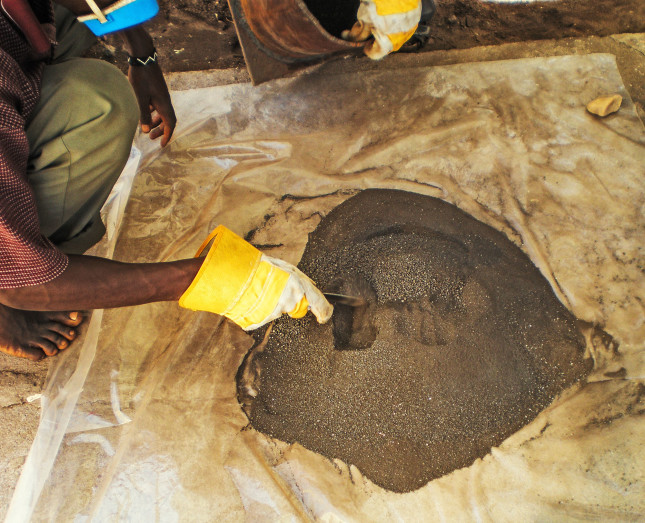
›“The exploitation of the mining and trade of conflict minerals in the eastern DRC [Democratic Republic of the Congo] has contributed to instability, violence, displacement of people, and severe human rights abuses,” says the Government Accountability Office (GAO) in its annual report, Conflict Minerals: Actions Needed to Assess Progress Addressing Armed Groups’ Exploitation of Minerals. The report examines a sample of filings from 1,083 companies that submitted conflict mineral disclosures required by the Securities and Exchange Commission (SEC) in 2019.
-
President Bolsonaro Fiddles While the Brazilian Amazon Goes Up in Smoke
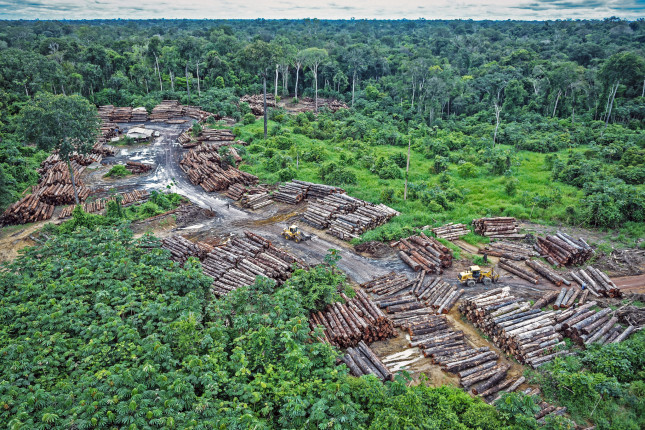
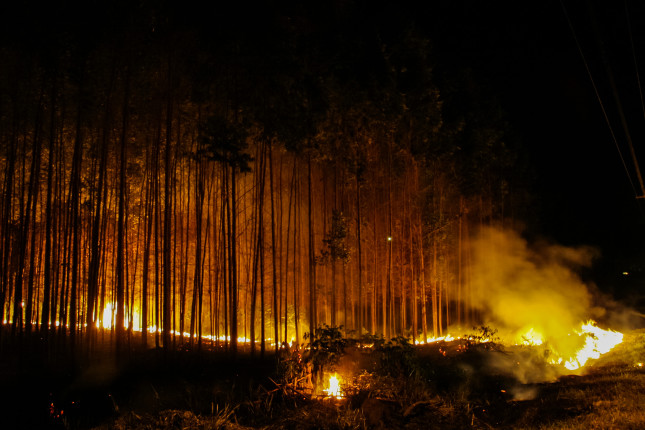
›On August 11, 2020, Brazilian President Jair Bolsonaro dismissed the raging fires in the Amazon, calling their existence a “lie.” However, his own government has reported more than 10,000 fires currently burning in the Amazon, a 17 percent increase from the same time last year, when the number of wildfires reached a nine-year high. The international community has condemned the Brazilian government’s response to the raging Amazon fires. Bolsonaro’s denial about these fires blocks effective domestic, international, government, and non-governmental responses. And it risks exacerbating the conditions contributing to global climate change.
-
Better Governance Needed to Overcome Africa’s Resource Curse
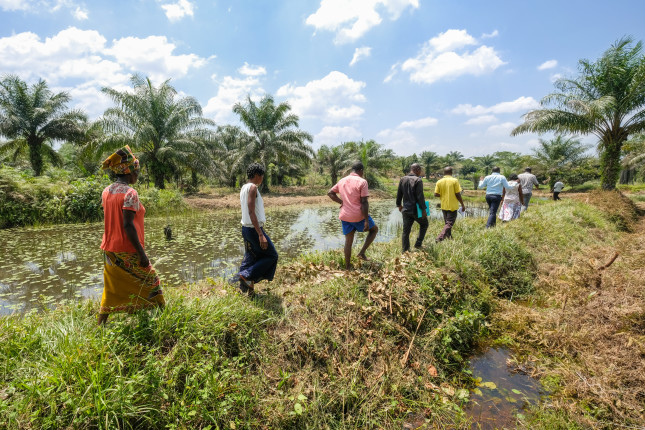
›“Africa, as you all know, is one of the most resource-rich regions of the world,” said Cyril Obi, Program Director of the African Peacebuilding Network at the Social Science Research Council. “But many observers have noted that in spite of all this natural wealth, Africa seems to have quite a substantial proportion of its population living under poverty.” He spoke at a recent Wilson Center Africa Program event that examined the relationship between natural resources, sustainable development, and peace in Africa. How do you explain a continent rich with natural resources where so many people live in poverty, he asked.
Showing posts from category natural resources.