-
Environmental Security Weekly Watch: February 9-13, 2026
›
A window into what we’re reading at the Stimson Center’s Environmental Security Program
Reconciling Mineral Demand in Greenland with Arctic Realities (Yale e360)
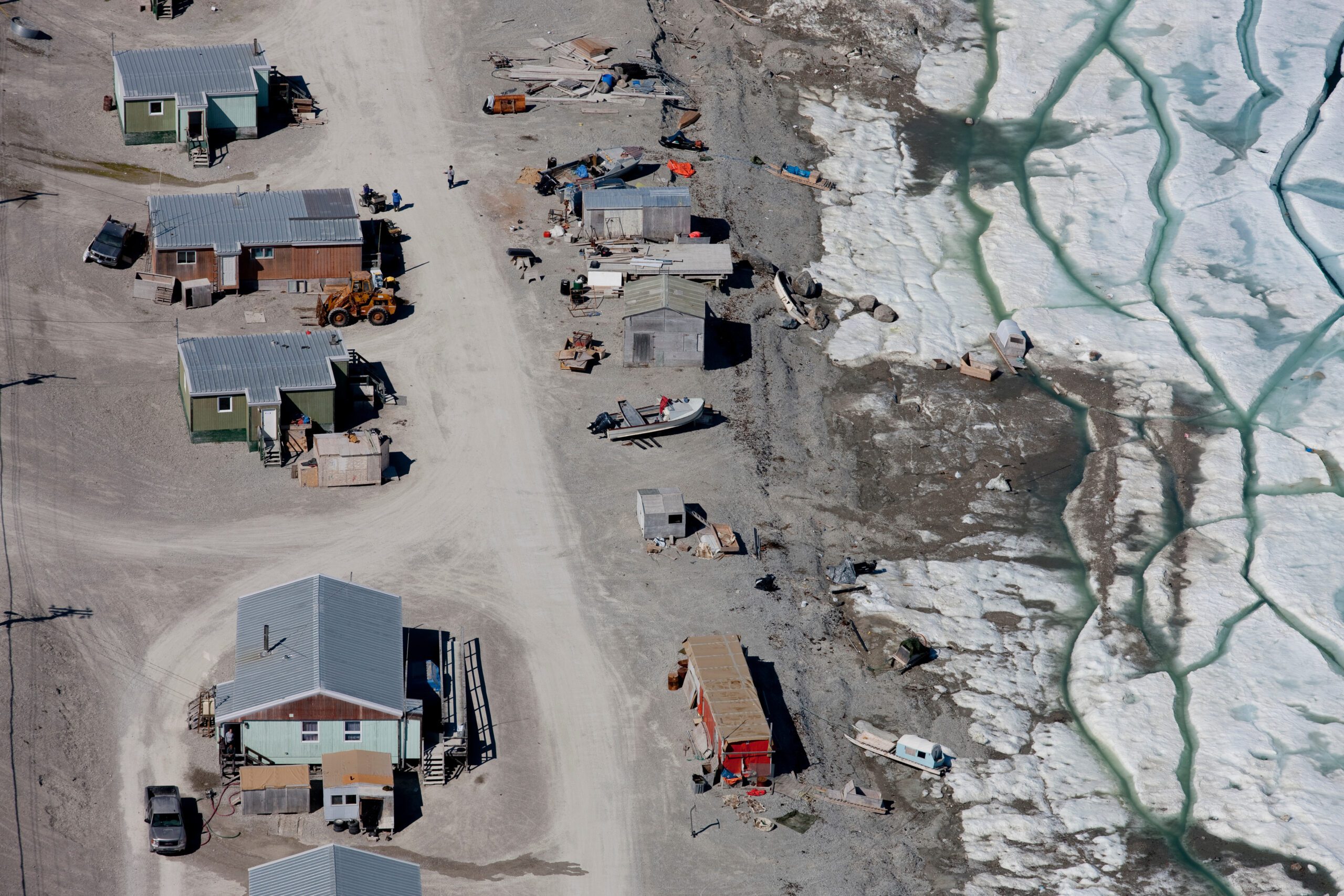
President Donals Trump’s recent push to access Greenland’s critical minerals faces severe logistical and environmental challenges. While the island possesses 25 of the 60 minerals in high demand in Washington, Greenland has fewer than 100 miles of roads, a tiny labor force, 16 small ports, and inconsistent electricity. Its unique geography and harsh conditions—including minus 40°F temperatures, high winds that ground helicopters, and pack ice which hinders ships—will require potentially costly new extraction technologies. (Indeed, present conditions already make extraction five to ten times more expensive than in temperate regions.
-
Reconsidering Arctic Resilience: Community Bonds and Coping with Change
›Guest Contributor // February 11, 2026 // By Nadezhda Filimonova, Anngelica Kristoferqvist, Åsa Andersson, Francis Joy & Katariina Vuori
President Donald Trump’s revived interest in buying Greenland attracted worldwide attention to the Arctic and triggered renewed geopolitical discussions about the region. These policy and academic debates mainly focus on traditional military threats and protecting national interests linked to great power rivalries—specifically a broader global competition involving the USA, Russia, and China.
-
Environmental Security Weekly Watch: February 2-6, 2026
›A window into what we’re reading at the Stimson Center’s Environmental Security Program
Final Version of Global Critical Minerals Treaty Stripped of Traceability Measures (Mongabay)
At the seventh U.N. Environment Assembly in December 2025, Colombia and Oman jointly proposed a legally binding international treaty to create traceability and due diligence mechanisms across global mineral supply chains. Their proposal faced resistance from multiple countries including Saudi Arabia, Russia, Iran, Chile, and Uganda, and ultimately resulted in a watered-down nonbinding resolution on mineral governance that excluded traceability provisions entirely.
-
Can China Help Indonesia Shift Gears on Electric Two-wheelers?
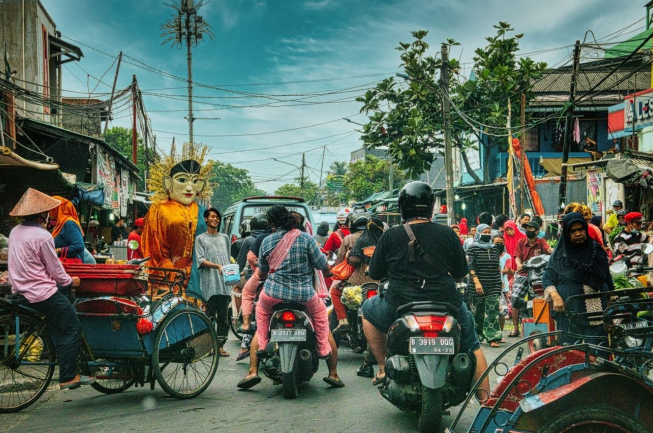
›Indonesia produces more than half of the world’s nickel output – a critical component in batteries for four- and two-wheel electric vehicles (EVs). Mostly Chinese-owned smelters work around the clock in Sulawesi to process the nickel ore and ship it across the globe. Indonesia’s resource nationalism – the government policy banning ore exports and forcing domestic processing appears to have worked well – but only in the upstream segment of the supply chains.
-
Environmental Security Weekly Watch: December 8-12, 2025
›A window into what we’re reading at the Stimson Center’s Environmental Security Program
Race for Copper Damages Protected Region in Colombia (Mongabay)
As Colombia looks to meet the growing demand for strategic minerals, activists working in the department of Choco allege that the country’s only industrial copper mine is harming both the environment and a local community. The El Roble copper mine has operated since 1990 at the base of a valley crossed by the Atrato River, but its acquisition by Canadian multinational Atico Mining in 2013 has meant that daily production has doubled from 400 to 1,000 metric tons over the past 12 years. El Roble also lacks the environmental license required by Colombia’s Mining Code, and continues to operate under a less stringent 1987 environmental management plan, which activists say omits required environmental impact studies.
-
Environmental Security Weekly Watch: December 1-5, 2025
›A window into what we’re reading at the Stimson Center’s Environmental Security Program
Deforestation and Flooding Turns Fallen Timber into Projectiles in Indonesia (The New York Times)
When Cyclone Senyar struck in late November, its death toll numbered 800 people across Indonesia, Malaysia, and Thailand. The Indonesian island of Sumatra saw a particular sort of damage as the storm unleashed sixteen inches of rain in parts of the island, wiped out four villages, and triggered flash floods and landslides. Decades of razing and converting natural forests into palm oil plantations, pulpwood farms, and gold mines drastically increased the region’s vulnerability to floods and landslides to the point that timber was transformed into projectiles that destroyed residences and infrastructure.
-
Environmental Security Weekly Watch: September 29 – October 3, 2025
›A window into what we’re reading at the Stimson Center’s Environmental Security Program
Nickel Mining Threat to New Raja Ampat UNESCO Biosphere Reserve (Mongabay)
When Indonesia’s Raja Ampat archipelago received a UNESCO Biosphere Reserve designation on September 27, 2025, the new designation adding to the status it won as a Global Geopark in 2023. Yet this dual honor highlighting the archipelago’s exceptional biodiversity is now under threat from intense pressure from global demand for nickel for electric vehicle batteries that is challenging the reserve’s conservation goals.
-
Environmental Security Weekly Watch: September 15-19, 2025
›A window into what we’re reading in the Stimson Center’s Environmental Security Program
Mexico’s Mercury Boom is Poisoning People and the Environment (Associated Press)
In Mexico’s Sierra Gorda mountains, soaring international gold prices also have created a mercury boom. Since 2011, mercury prices have skyrocketed from $20 per kilogram to between $240 and $350 per kilogram today. Most of Mexico’s mercury is trafficked to Colombia, Bolivia, and Peru for use in illegal Amazon gold mining operations that contaminate rivers and ecosystems. Yet the country’s adoption of a 2017 UN convention banning mercury mining and exports also allows artisanal mines to operate until 2032.
Showing posts from category minerals.