-
Environmental Security Weekly Watch: April 27-May 1, 2026
›
A window into what we’re reading at the Stimson Center’s Environmental Security Program
Disaster Response Aid: Data Argues for New Focus on Inequality (Dialogue Earth)
When a 2019 oil spill and the COVID-19 pandemic struck coastal fishing communities in north-eastern Brazil back-to-back, researchers tracked 402 small-scale fishers across three states to assess the impacts. What they found was that fallout from these crises was were not uniform. The oil spill’s contamination of nearshore mangroves disproportionately harmed the women who make up the bulk of the workforce that harvests shellfish, while men fishing offshore for open-water species retained more of their income.
-
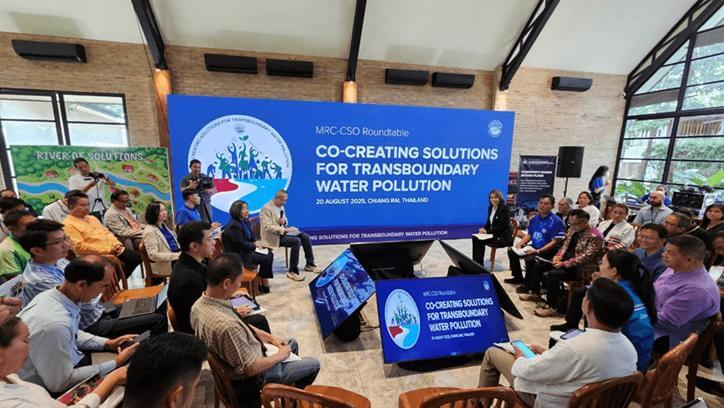
Protecting Water in the Mining Rush: A World Water Day Panel
›
From Zambia to Indonesia, recent headlines about catastrophic toxic mining spills grimly underscore how the global push to secure one set of resources, critical minerals, might be compromising another: water.
“This isn’t just an environmental story,” said Lauren Risi, Director of the Stimson Center’s Environmental Security Program, at a recent event on protecting water resources amid increasing mining, held ahead of World Water Day 2026. “For many of these communities, the water being put at risk is their source of drinking water. It’s critical to subsistence farming and livelihoods. It sits at the center of daily life. When mining degrades or disrupts access to it, the consequences are immediate and personal,” she said.
-
Environmental Security Weekly Watch: April 6-10, 2026
›A window into what we’re reading at the Stimson Center’s Environmental Security Program
Argentina’s “Glacier Law” Opens Ecologically Sensitive Areas to Mining (Al-Jazeera)
Politicians in Argentina approved a bill pushed by President Javier Milei to authorize mining in ecologically sensitive areas of the nation containing nearly 17,000 glaciers and/or rock glaciers and permafrost which heavily support the country’s water security. Dubbed the “Glacier Law,” the measure is designed to leverage the vast critical mineral reserves (such as copper and lithium) found in frozen parts of the Andes mountains.
-
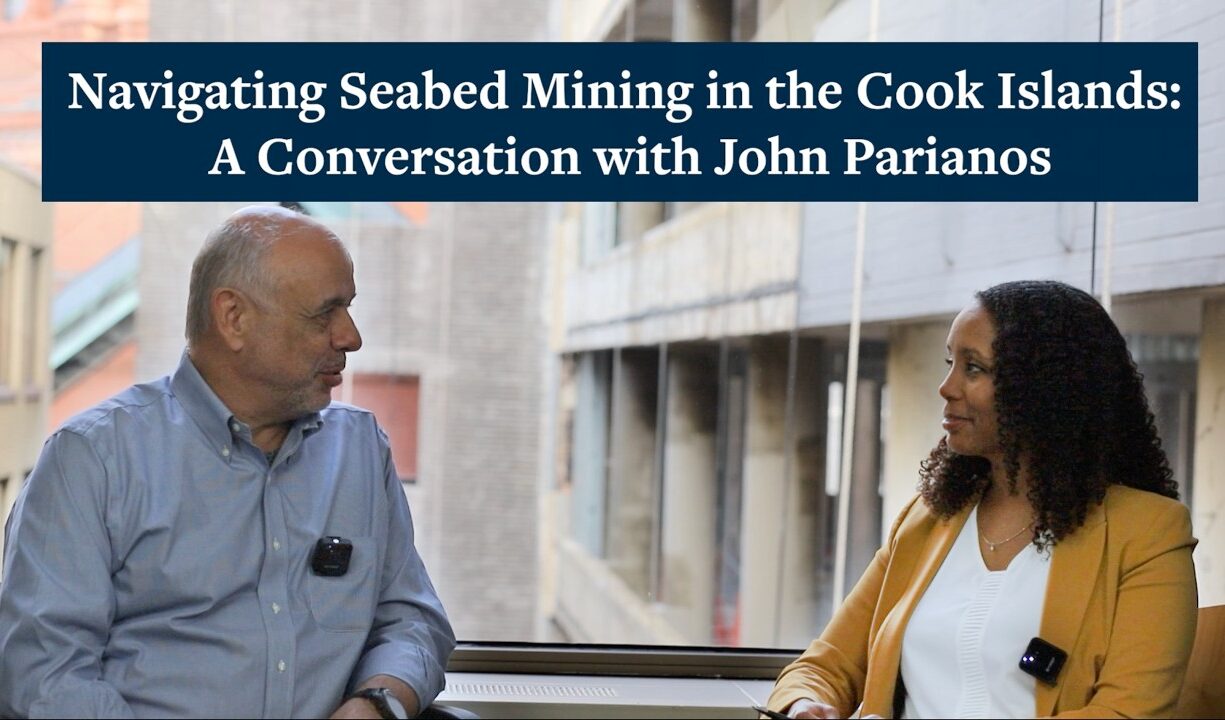
Navigating Seabed Mining in the Cook Islands: A Conversation with John Parianos
› -
Environmental Security Weekly Watch: March 23-27, 2026
›A window into what we’re reading at the Stimson Center’s Environmental Security Program
Energy Fallout from Iran War Signals a Global Wake-Up Call for Renewable Energy (Associated Press)
Fighting in Iran has effectively halted oil exports through the Strait of Hormuz — a chokepoint carrying roughly a fifth of the world’s oil and LNG — triggering an energy shock that is exposing the deep vulnerabilities of fossil fuel-dependent economies. Asia has been hit hardest, while Europe and Africa face mounting pressure from rising fuel costs and inflation. The crisis has sharpened debate over the uneven global energy transition. China’s substantial renewable buildout has provided meaningful insulation from the shock, while countries like Japan and India — which prioritized fossil fuel diversification after past crises — find themselves more exposed. Vietnam’s solar capacity is saving hundreds of millions in projected import costs. Meanwhile, Bangladesh has shuttered universities to conserve electricity, and India faces a cooking gas shortage. With more than 90% of new renewable projects now cost-competitive with fossil fuels, experts argue the strategic case for domestic clean energy has never been clearer.
-
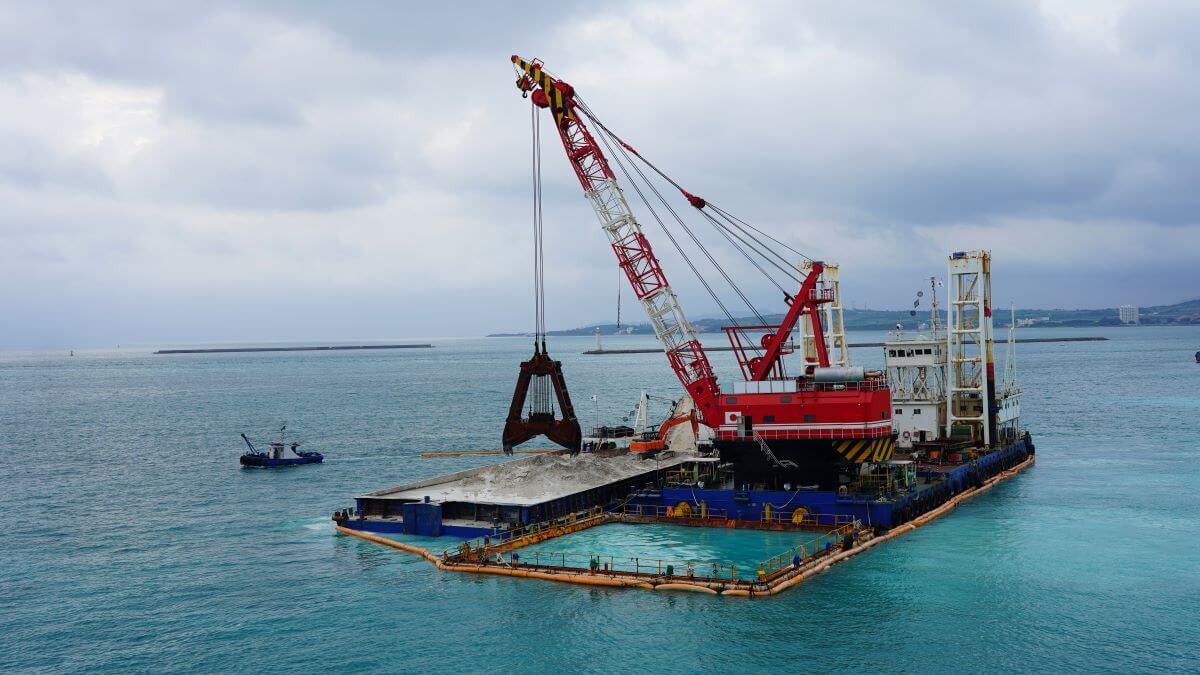
Current Geopolitics Shift Deep-Sea Mining Debates
›This article was originally published as a commentary by the Stimson Center.
If anyone needed a signal of global interest in critical minerals and supply chains, the events in Washington D.C. earlier this month offered a clear one. In the midst of questions about the reliability of U.S. partnerships, uncertain tariff policy, and rhetoric around annexing Greenland, 54 countries and the European Union came together in D.C. at the Critical Minerals Ministerial to seek deeper collaboration to secure critical minerals supply chains and de-risk from China’s influence.
-
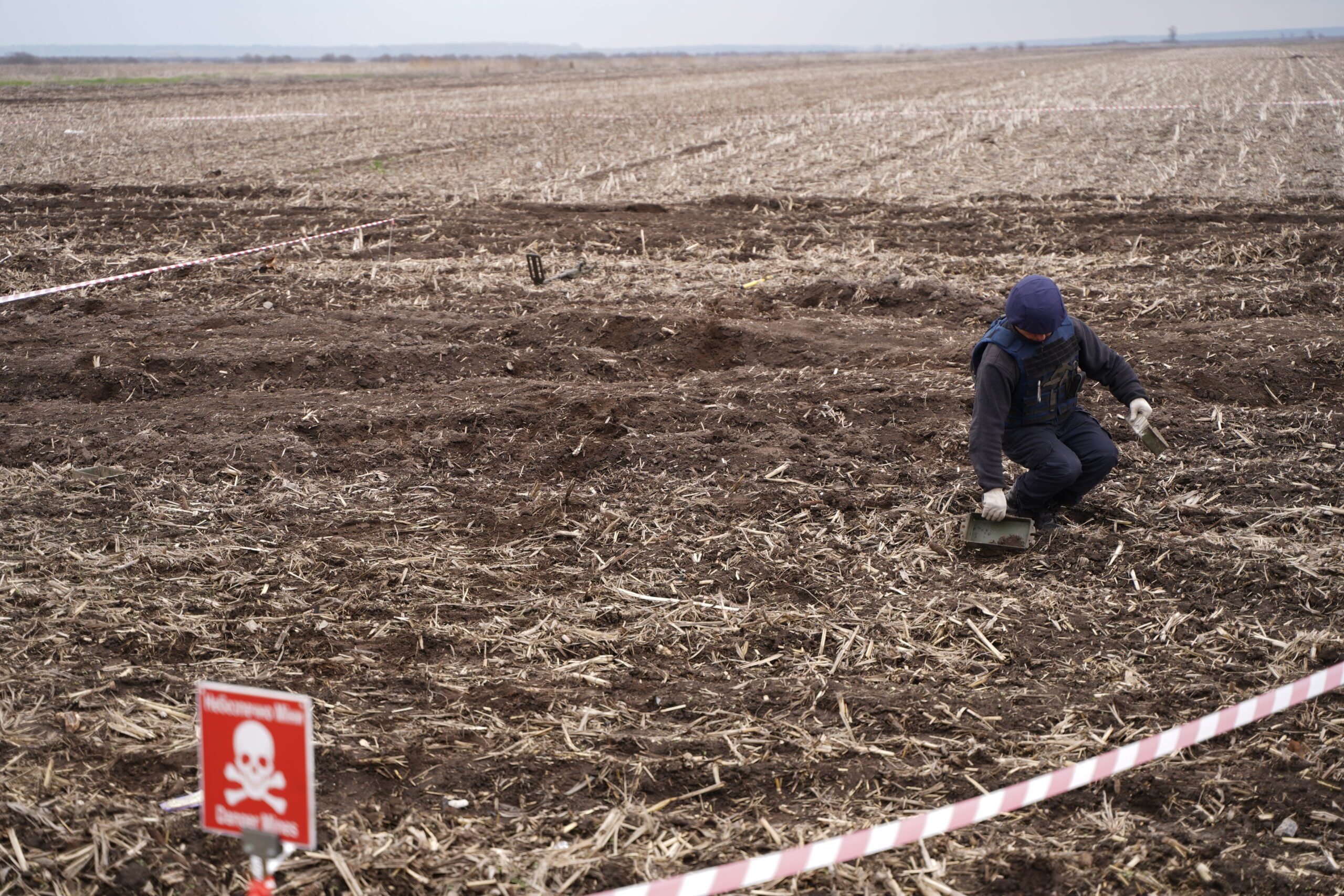
The Environmental Peacebuilding Association: Year in Review and What’s Ahead
›With a reduction in capacity of bilateral and multilateral institutions and a broader political retreat from environmental protection and peacebuilding, environmental peacebuilding reached a turning point in 2025. This was the conclusion of leading experts who spoke at The Year in Review and the Year Ahead webinar hosted by the Environmental Peacebuilding Association, as they reflected on the mounting constraints posed by this altered landscape.
-
Environmental Security Weekly Watch: February 16-20, 2026
›A window into what we’re reading at the Stimson Center’s Environmental Security Program
Rapid Central Asia Glacial Melt Threatens Water Security (The Diplomat)
A recent study projects that the Tian Shan mountains, the primary freshwater source for millions across Central Asia and China’s Xinjiang region, will lose approximately one-third of their glacier area before 2040. Already, the region has seen a 27% drop in glacial mass and an 18% drop in areas over the last 50 years. The Tian Shan’s smaller glaciers respond more rapidly to warming temperatures, as rising temperatures reduce the snowfall that historically replenishes glacial mass. These glacial and meteorological conditions create a compounding effect that makes the Tian Shan more vulnerable than the larger, slower-responding glaciers of the Karakoram, Pamir, and Himalaya ranges.
Showing posts from category minerals.