-
Environmental Security Risks: How to Plan for Disasters in the Face of Uncertainty
› How do we plan for disasters that have never occurred before? One million species are at risk of extinction in the near future from environmental changes. The frequency of historic tropical storms is increasing. The rapidly melting permafrost in the Arctic is placing unprecedented pressures on northern infrastructure. Given the overwhelming and unpredictable nature of new disaster risks, it is not clear what the appropriate responses should be. Our book, Disaster Security: Using Military and Intelligence Planning for Energy and Environmental Risks, addresses how to assess unique environmental hazards and disaster risks, based on tools used by the U.S. intelligence and military communities. The book draws on lessons learned from developing, applying, and translating scenarios and simulations (or wargames) to plan for future environmental security risks.
 -
The MEDEA Legacy: Darkened Data Shed Light on a Changing Planet and Environmental Security
›March 27, 2019 // By Evan Barnard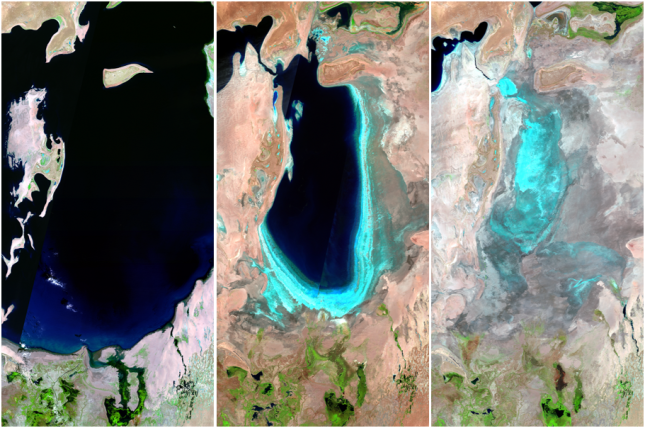
In 2018, California experienced its most destructive wildfires in history. Satellite imagery shared by NASA scientists helped firefighters track fires and map damage by comparing satellite images documenting changes to the Earth’s surface. These types of images existed for decades but were classified for military purposes until the government program MEDEA identified their potential benefit and advocated for public access in the 1990s. According to former National Oceanic and Atmospheric Association (NOAA) Chief Scientist and MEDEA member Richard Spinrad, “the systems that might be used for early detection of a missile launch may work equally well for detection of wildfires.”
-
U.S. Intelligence Community Recognizes Climate Change in Worldwide Threat Assessment
›February 5, 2019 // By Isabella CaltabianoThe 2019 Worldwide Threat Assessment of the US Intelligence Community, released on January 29, mentions climate change as a threat that is “likely to fuel competition for resources, economic distress, and social discontent through 2019 and beyond.” The report features new topics such as election interference and threats to economic competitiveness while still including continuing threats such as cyber espionage and attacks, terrorism, and climate change. As a statement from Director of National Intelligence (DNI), Daniel R. Coats, for the Senate Select Committee on Intelligence, the assessment provides an overview of the national security threats facing the nation.
-
Anticipatory Intelligence: Climate Change in the National Intelligence Strategy
›January 29, 2019 // By Marisol MaddoxOn January 22, Director of National Intelligence (DNI) Daniel R. Coats released the National Intelligence Strategy (NIS) for 2019, which represents a departure from the last such strategy. While the previous 2014 National Intelligence Strategy specifically noted that food, water, and energy resource insecurity contribute to instability, the 2019 NIS does not mention these concerns beyond a single reference to climate change and resource scarcity as “pressure points.”
-
How Gender and Climate Change Can Be Integrated Into Military Operations (Book Preview)
›As the United States develops a strategy to guide all military services on how to promote the participation of women in conflict prevention, management, and resolution, and to better protect women and girls in situations involving armed conflict, it could supplement the work already being done in the Department of Defense by studying the examples of other countries and international organizations. When shaping its framework, it should also consider the links between conflict, women, and climate change in developing best practices. -
Environmental Security in Times of Armed Conflict
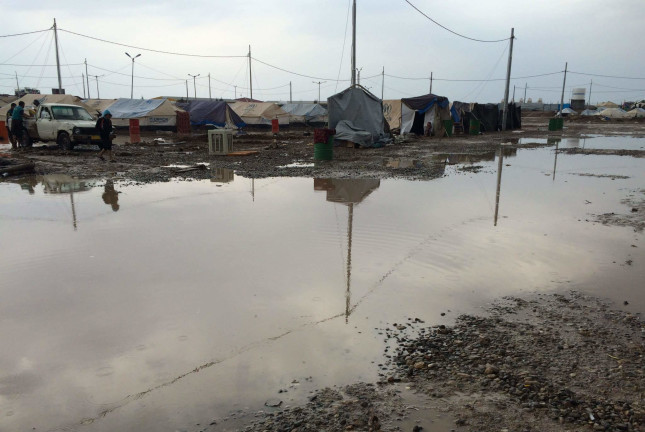
›This summer, Iraqi citizens in Basra demonstrated in the streets to protest a serious public health crisis caused by polluted water. The condition of their water infrastructure was deplorable after years of devastating wars, corruption, and droughts and regional hydropolitics. More than 100,000 people have reportedly been poisoned by polluted water, while recent estimates warn that some 277,000 children are at risk of diseases, such as cholera due to rundown water and sanitation facilities at schools.
-
Coastal Resilience on Capitol Hill: Protecting the United States’ Infrastructure, Economy, and Security
›Every dollar invested in preparing for natural disasters could save seven dollars, said Alice Hill, Research Fellow at the Hoover Institution, at a recent briefing on Capitol Hill. Catastrophic events like Superstorm Sandy present significant financial risks to U.S. businesses, the federal treasury, and the global economy. These complex emergencies have taught us that “everything is connected: our transportation system failed, our health sector failed,” said Hill, in the wake of these storms.
-
Building Coastal Resilience to Protect U.S. National Security
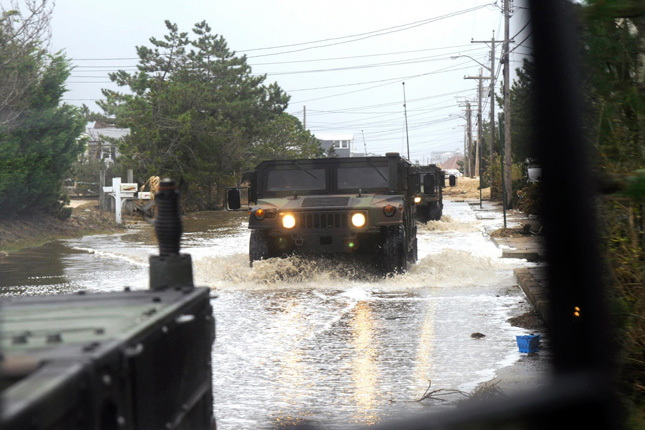
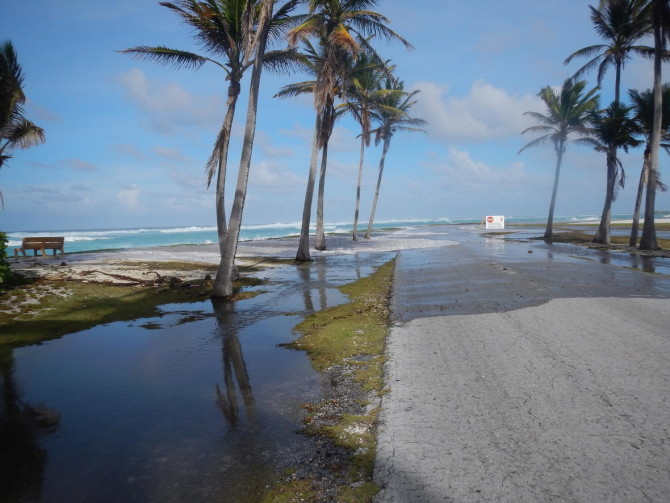
›June 28, 2018 // By Wilson Center StaffAs the Atlantic hurricane season kicks off this month, some coastal communities in the United States and small-island nations in the Caribbean are still recovering from last year’s record-breaking damage. At the same time, the heavy rains pounding the East Coast this week are part of a long-term trend towards more severe heavy rainfall events that have led to deadly floods and threaten critical U.S. military bases. Even on sunny days, cities such as Norfolk and Manila contend with high tide or “nuisance” flooding—a phenomenon that has increased as much as nine-fold since the 1960s, according to NOAA.
Showing posts from category military.
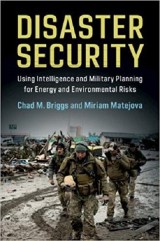 How do we plan for disasters that have never occurred before?
 As the United States develops a strategy to guide all military services on how to promote the participation of women in conflict prevention, management, and resolution, and to better protect women and girls in situations involving armed conflict, it could supplement the work already being done in the Department of Defense by studying the examples of other countries and international organizations. When shaping its framework, it should also consider the links between conflict, women, and climate change in developing best practices.