-
A New Climate for Peace: Taking Action on Climate and Fragility Risks (Report Launch)
›
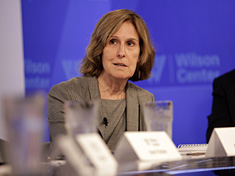
As momentum builds towards the negotiation of the Sustainable Development Goals and UN climate change summit later this year, the G7 countries – France, Germany, Italy, Japan, Canada, the UK, and the United States – have made a strong statement about the importance of climate security risks. A New Climate for Peace: Taking Action on Climate and Fragility Risks, an independent report commissioned by G7 foreign ministers and authored by a consortium of international organizations including the Wilson Center, analyzes the security and stability risks posed by climate change and offers concrete policy options for addressing them. [Video Below]
-
Karachi’s Heat Wave a Sign of Future Challenges to Pakistan’s Fragile Democracy
›Karachi, the world’s second largest city by population, is emerging from the grips of a deadly heatwave. A persistent low pressure system camped over the Arabian Sea stifled ocean breezes and brought temperatures in excess of 113°F (45°C) to the city of 23 million people in June. The searing heat disrupted electricity and water service, making life nearly unbearable. All told, officials estimate the heatwave killed at least 1,200 Pakistanis, more than twice as many as have died in terrorist attacks this year.
-
“No Precedent in Human History”: Ruth Greenspan Bell on Why Climate Change Demands More Than the UNFCCC
›
The stakes are high for the UN climate conference in Paris later this year, so high in fact, some scholars feel it’s foolish to be putting all our eggs in one basket.
-
European Parliament Passes Conflict-Minerals Bill; UN Releases Report on Money Flows in DRC
›A new report prepared by the UN Environment Program and UN peacekeeping operation in the Democratic Republic of Congo (known as MONUSCO) found that just two percent of the total value of illicit natural resources smuggled from the country comes back to armed groups. Still, these funds, which amount to around $13 million a year, allow some 25 to 49 groups to continue operating in the country’s war-torn eastern provinces. Much more, as much as 50 percent, ends up in the hands of transnational criminal networks with the remaining profits flowing to individuals or companies elsewhere in the DRC or in Uganda, Rwanda, and Burundi. -
Adapting to Global Change: Climate Displacement, Mega-Disasters, and the Next Generation of Leaders
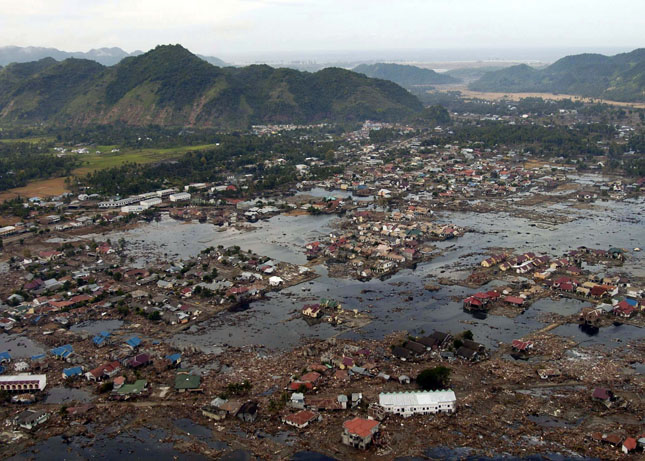
›The world is more connected than ever before, but also more complex. Big, transnational trends like climate change, urbanization, and migration are changing the calculus of geopolitics, while local-level inequalities persist. “[Change] seems to be spinning around us so fast,” said John Hempelmann, president of the Henry M. Jackson Foundation, which honors the legacy of the late senator from Washington State. How can today’s and tomorrow’s leaders adjust to global trends? [Video Below]
-
For Next Edition of Influential Global Trends Report, National Intelligence Council Looks to Expand Its Audience
›Between sessions on the value of creating a physical expression of digital brands (Evernote socks) and Bitcoin, this year’s South by South West (SXSW) in Austin, Texas, featured newcomers from a different background: the U.S. National Intelligence Council.
-
Obama Highlights Long-Term Climate Security Threats, Releases Review of Federal Resources
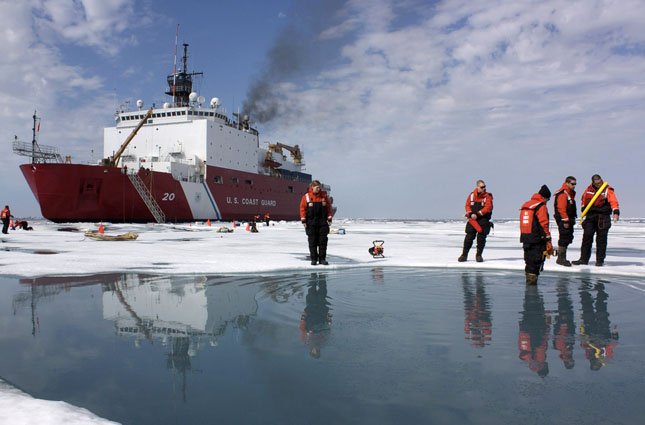
›May 20, 2015 // By Schuyler NullIn a commencement speech at the U.S. Coast Guard Academy today, President Obama said “climate change constitutes a serious threat to global security, an immediate risk to our national security, and, make no mistake, it will impact how our military defends our country.”
-
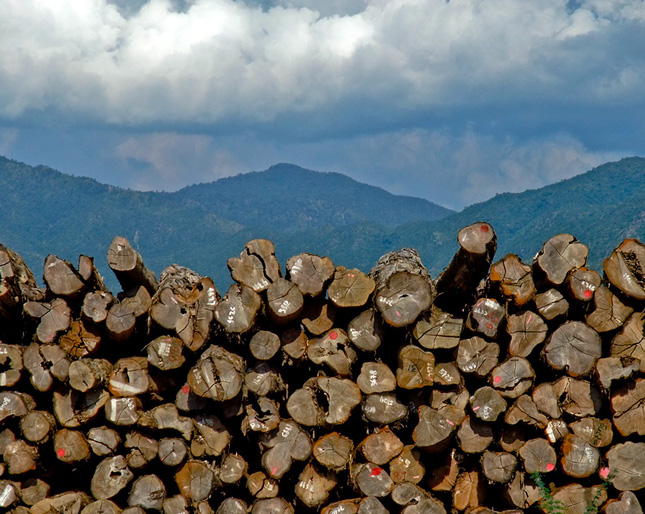
Blood Teak: Changing the Calculus of Myanmar’s Ethnic Conflicts
›On March 30, the government of Myanmar and an umbrella group of 16 ethnic minority groups agreed to a draft agreement for a “nationwide ceasefire” to end decades of conflict in the country’s northern reaches. But even as the latest ceasefire was being made, two armed groups, the Myanmar National Democratic Alliance Army (MNDAA) and the Kachin Independence Army (KIA), were in open conflict with the Burmese military. Fighting in Kokang and Kachin has led to casualties in the triple digits and displaced an estimated 100,000 civilians.
Showing posts from category military.