-
The U.S. Asia-Pacific Rebalance, National Security, and Climate Change (Report Launch)
›
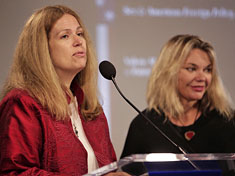
In the hierarchy of global and national security challenges, climate change comes out near the top, said a panel of distinguished defense, diplomacy, and intelligence leaders at the Wilson Center on November 17. [Video Below]
-
The Long Tail of Paris and What to Watch for Next
›December 4, 2015 // By Schuyler Null
The most important and anticipated climate change conference in years is finally underway. In some ways, as Bill McKibben and Andrew Revkin have pointed out, its success is relatively assured thanks to the number of major commitments countries have already made. But that doesn’t mean there’s nothing to see here. “The conference isn’t the game – it’s the scoreboard,” writes McKibben. To extend the metaphor even more, you might call it the league scoreboard, giving us a glimpse of many different storylines playing out.
-
Kerry Announces New Task Force to Integrate Climate Change and Security Issues Into U.S. Foreign Policy
›November 13, 2015 // By Lauren Herzer RisiIn a commanding speech at Old Dominion University this week, Secretary Kerry announced a dramatic step toward integrating climate and security into U.S. foreign policy. In Norfolk, Virginia, home to the world’s largest naval station, Kerry said the State Department is creating a new “task force of senior government officials to determine how best to integrate climate and security analysis into overall foreign policy planning and priorities.”
-
Military Leaders: Climate Change, Energy, National Security Are Inextricably Linked
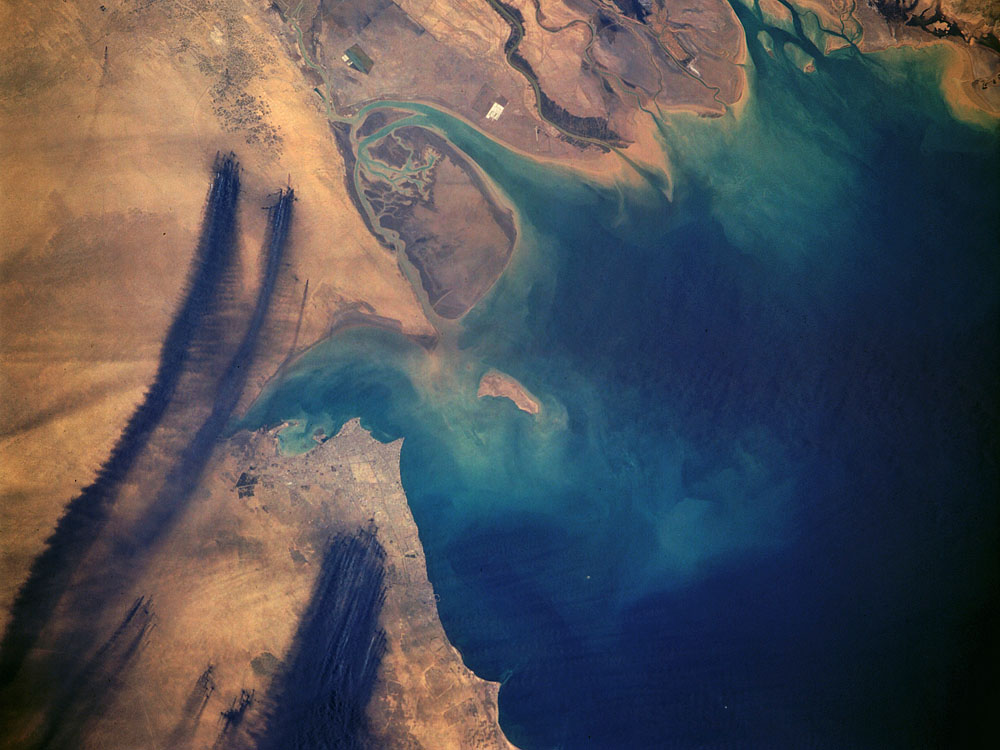
›In the midst of a minefield on day two of Desert Storm Task Force Ripper, Marine Corps Operations Officer Richard Zilmer stepped out of his armored personnel carrier, squinted up at the sky, and saw nothing but black from horizon to horizon. Iraqi forces, trying desperately to blunt the attack of coalition armies, had set fire to hundreds of Kuwaiti oil wells and oil-filled trenches.
-
Growing Role of Armed Forces in Disaster Relief a Dangerous Trend for Latin America
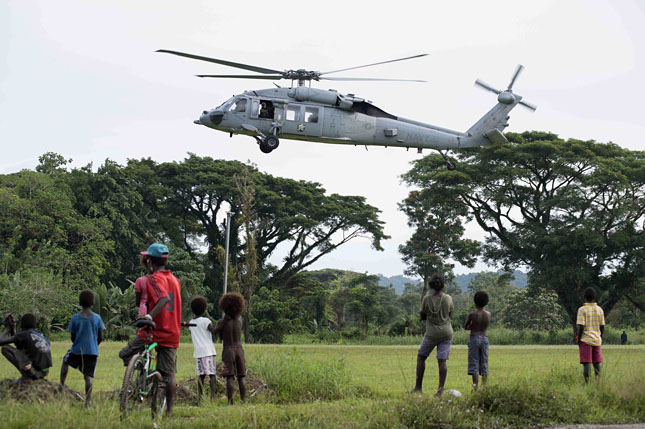
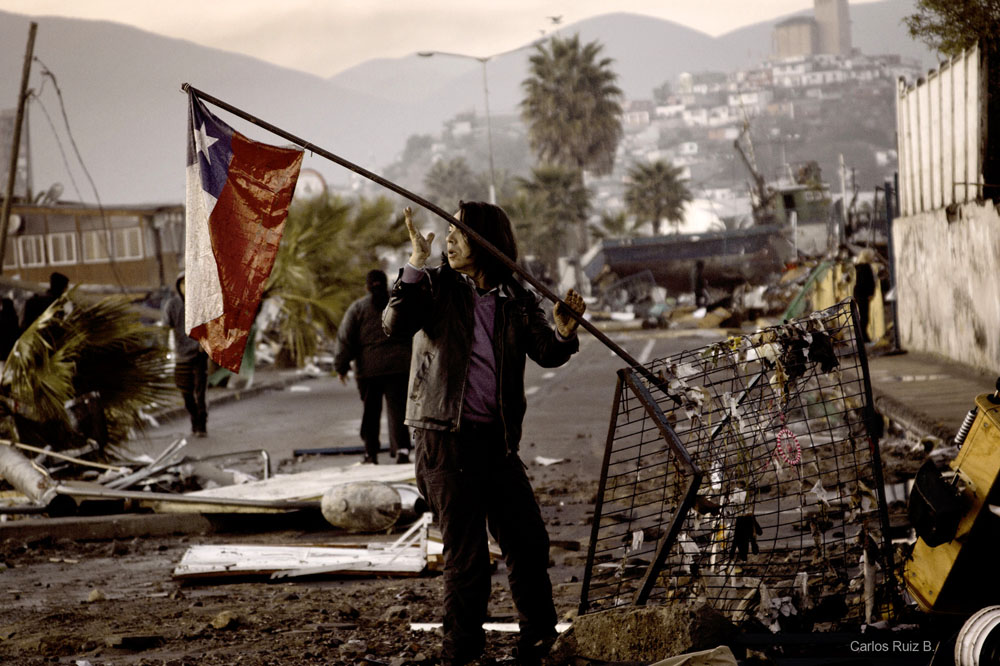
›From earthquakes to floods, when natural disasters strike, the military is often called on to bolster civilian responses. Policymakers throughout Latin America in particular are increasingly relying on the armed forces for emergency assistance.
-
Alice Hill on Mainstreaming Climate Risks Into U.S. Government Planning: “We Should Care Deeply”
›“Perhaps I’m a case study for what happens in the federal government when we start on a tough problem,” says Alice Hill, the senior director for resilience policy at the National Security Council and former senior counselor to the secretary of homeland security, in this week’s podcast. -
The Hillary Doctrine: Sex and American Foreign Policy (Book Launch)
›When Valerie Hudson evaluates the strength of a nation, whether food security, wealth, peacefulness, or quality of governance, she finds one important thread that underlies it all. “One of the most important factors in the determination of these things is in fact the situation, and security, and status of women,” said Hudson at the Wilson Center on June 24. [Video Below]
-
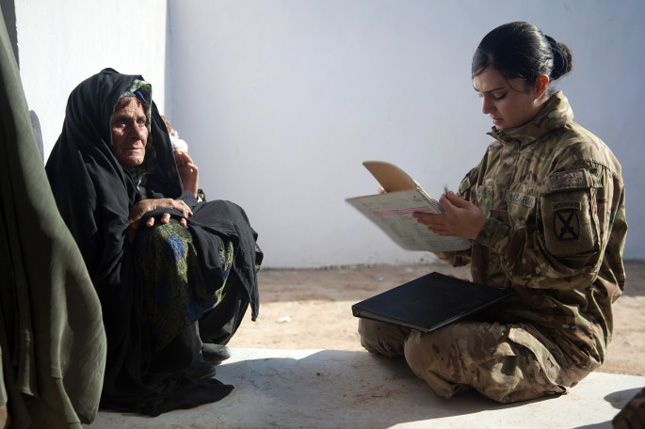
Women’s Equality Not Just a Moral, But National Security Issue, Say Valerie Hudson and Patricia Leidl
›“Compare those societies that respect women and those who don’t,” says Texas A&M Professor Valerie Hudson, quoting former USAID Deputy Administrator Donald Steinberg, in this week’s podcast. “Who’s trafficking in weapons and drugs? Who’s harboring terrorists and starting pandemics? Whose problems require U.S. troops on the ground? There’s a one to one correspondence.”
Showing posts from category military.

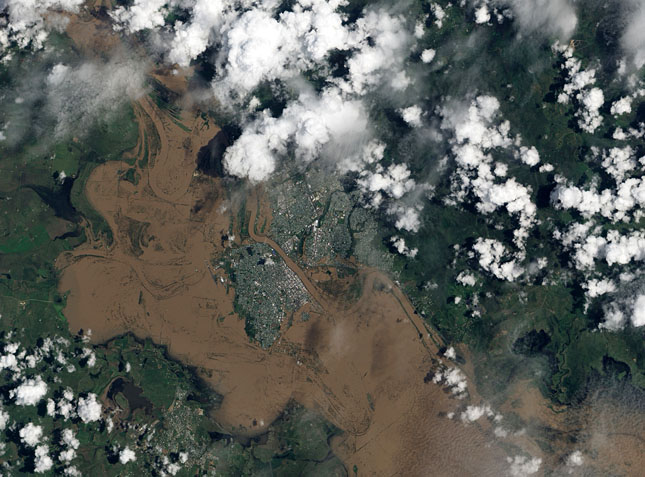
 “Perhaps I’m a case study for what happens in the federal government when we start on a tough problem,” says Alice Hill, the senior director for resilience policy at the National Security Council and former senior counselor to the secretary of homeland security, in this week’s podcast.