-
Why Secondary Cities Deserve More Attention
›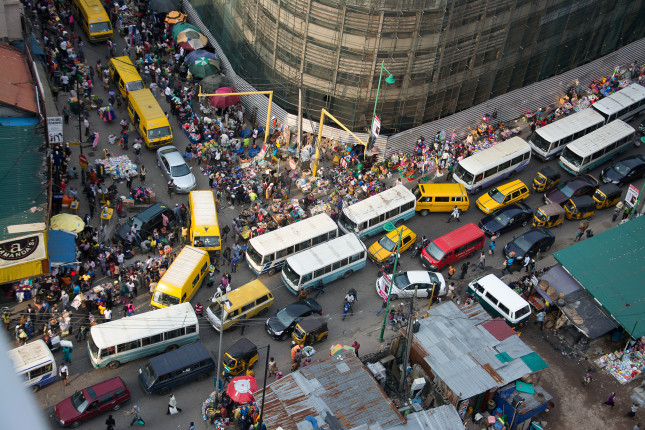
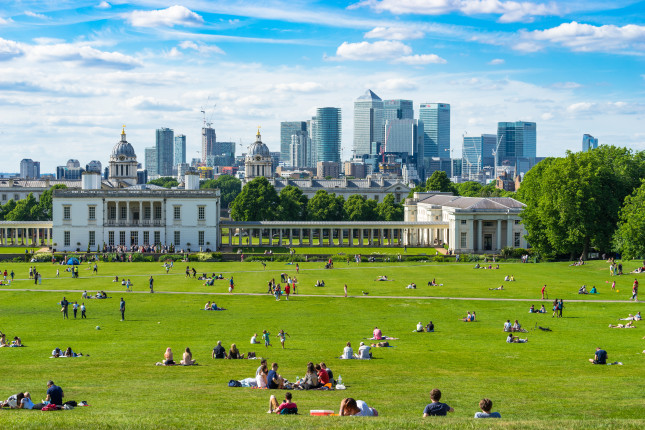
Mention London, Rome, or New York, and people immediately conjure up Big Ben, the Colosseum, the Statue of Liberty. Beijing, Cairo, Mumbai? Check. They’ve heard of them. Megacities, the ones with lots of history, lots of people, and an oversized impact on the economy and culture, tend to be well-known.
Fewer people may know much about Addis Ababa, Dhaka, Lagos, or São Paulo — yet many would recognize the names. But who knows or has been to Darkhan, Mongolia or Santa Fe, Argentina or Boké-Kamsar in Guinea?
-
Climate Migration and Cities: Preparing for the Next Mass Movement of People
›
Amid the COVID-19 pandemic, communities across the globe are experiencing unprecedented climate disasters.
According to modeling by ProPublica, the Pulitzer Center, and The New York Times Magazine, in the event that governments take “modest action to reduce climate emissions, about 680,000 climate migrants might move from Central America and Mexico to the United States by 2050.” That number leaps to above a million people in a scenario where no action is taken. The impacts of climate change on people’s decision to move are not constrained to the developing world, or even across borders. A recent study found that one in 12 Americans currently residing in the southern U.S. will move to California and the Northwest over the next 45 years because of climate influences.
-
The Impacts of Climate Change on Alaska Native Maternal Health (Part 1 of 2)
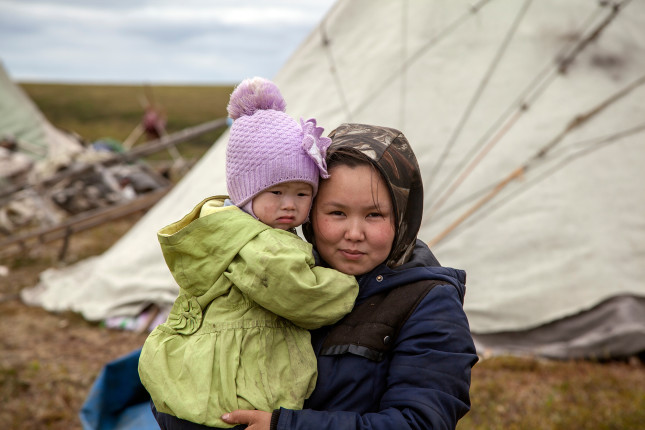
›Dot-Mom // Navigating the Poles // October 14, 2020 // By Deekshita Ramanarayanan, Marisol Maddox, Bethany Johnson & Michaela StithEach year, 700 women in the United States die as a result of pregnancy-related complications. In fact, the United States has the highest maternal mortality ratio of all high-income countries—16.7 maternal deaths per 100,000 live births. For Indigenous/Alaskan Native women, that number is even higher: Indigenous/Alaska Natives are 2.3 times more likely to die from pregnancy-related complications than their white counterparts. While recent years have seen growing national attention to the U.S. maternal mortality crisis, research and advocacy for Indigenous peoples’ maternal health in the United States has been limited. This research gap includes the Alaskan Native peoples—Iñupiat, Yupik, Aleut, Eyak, Tlingit, Haida, Tsimshian, and multiple Diné tribes.
-
21st Century Diplomacy: Foreign Policy is Climate Policy (Report & Project Launch)
›Climate change will upend the 21st century world order. It will redefine how we live and work, and change the systems of production, trade, economics, and finance. Even now, in the midst of a global pandemic, it is clear that climate change will be the defining issue of this century. In fact, COVID-19 has only underscored the inadequacy of our responses to global crises and heightened the urgency of this call to action. 21st century diplomacy will have to raise climate ambition, shape the transformative systems change needed, and promote and facilitate new modes of multilateral collaboration.
-
Refugees and COVID-19: A Closer Look at the Syrian and Rohingya Crises
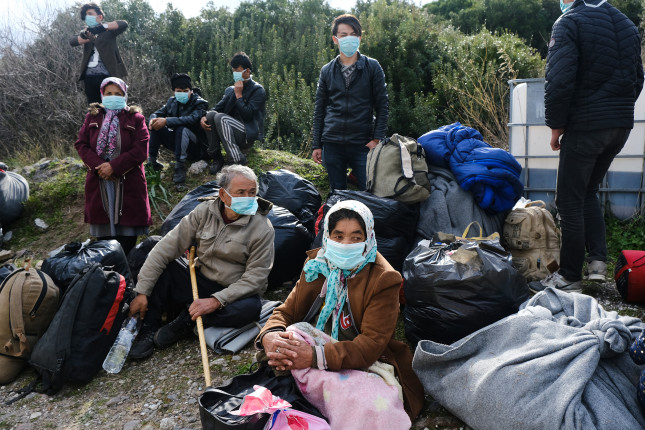
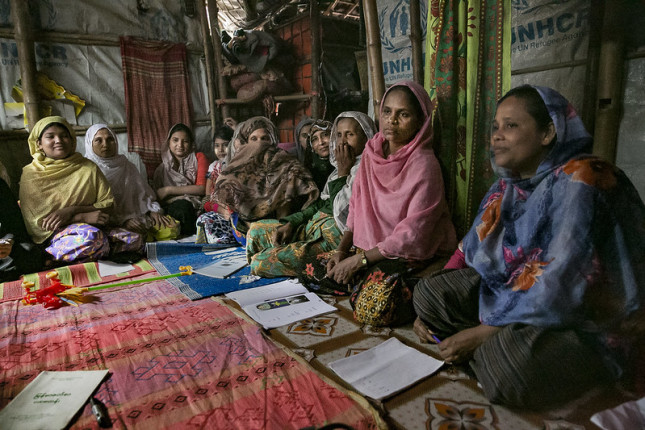
›“We all know that while no one is immune from the Covid-19 virus—and people of all types have caught the virus and died from it—it is the world’s most vulnerable communities that have suffered disproportionately from the pandemic,” said Michael Kugelman, Deputy Director and Senior Associate for the Wilson Center’s Asia Program. He spoke at a recent Wilson Center event on the impact of the COVID-19 pandemic on refugee communities. As of 2019, 1 percent of humanity was displaced. That’s more than 79.5 million people. The COVID-19 pandemic has exacerbated the vulnerabilities of these people. “The health pandemic is fostering a new pandemic of poverty,” said Matthew Reynolds, Regional Representative for the U.S. and the Caribbean at the United Nations High Commissioner for Refugees (UNHCR).
-
COVID Crisis in India: Migrant Workers Exposed to Further Exploitation
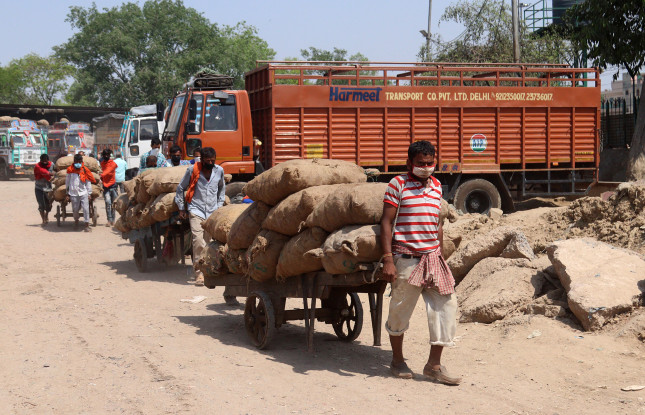
›In India, COVID-19 has put the spotlight on migrant workers’ precarious working conditions. First, the sweeping lockdown left many workers jobless, forcing them to walk hundreds of kilometers to their native villages. Now, in a reaction to the coronavirus, states are loosening labor laws in a bid to get their economies up and running. As a consequence, migrant laborers have to work even more hours.
Punjab and Gujarat amended their Factories Act in April, increasing the work time to 72 hours every week. Rajasthan has upped working hours from 8 to 12 hours per day. Uttar Pradesh (UP) has exempted companies from almost all labor laws for the next three years. The relaxed UP laws relate to occupational safety, health, and working conditions, and those that pertain to contract workers and migrant laborers.
-
Haitian Migrants: Hidden Faces of Human Trafficking in the Dominican Republic
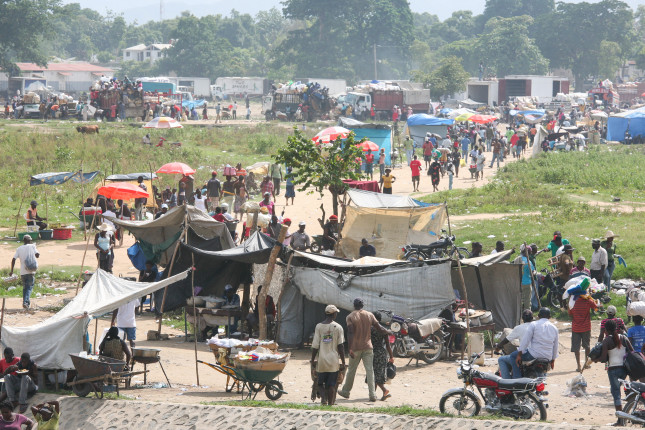
›Haitian migrants to the Dominican Republic are particularly vulnerable to human trafficking, yet antitrafficking initiatives tend to overlook them. The paradox plagues much antitrafficking research and policymaking. The same factors that make people vulnerable to trafficking—race, class, gender, immigration status—also exclude them from initiatives to protect them.
In the case of Haitian migrants, being black, poor, and mostly men with an irregular immigration status means they are more likely to be viewed as smuggled persons (and therefore as criminals) rather than as trafficked persons (and therefore as victims). Correcting this problem requires a focus on human security rather than on state security. And a greater appreciation of the structural causes of vulnerability to human trafficking is needed.
-
Rohingya Refugees Smuggle Drugs for Insurgents in Myanmar
›Rohingya refugees fleeing anti-Muslim persecution in Myanmar are exploited by the Arakan Army to smuggle synthetic drugs into Bangladesh. The army, which demands greater autonomy for Myanmar’s Rakhine State, uses the drug sales to purchase arms and ammunition. It moves the drugs from production centers in Myanmar’s interior to Rakhine State, where Rohingya make the arduous trek along refugee migration routes into neighboring Bangladesh. Lacking other sources of income, the Rohingya are vulnerable to recruitment by the army’s drug smugglers.
Showing posts from category migration.