-
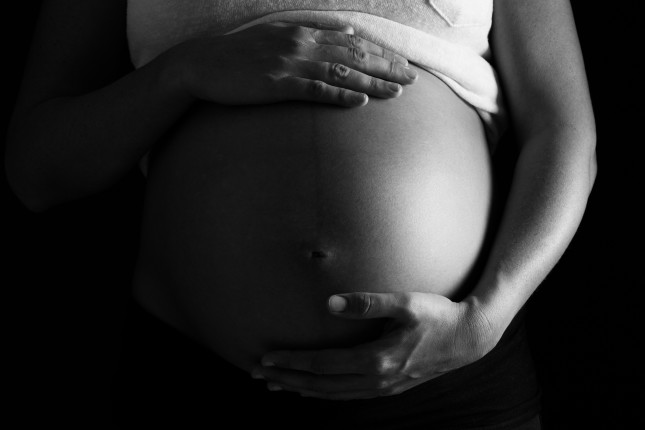
Meeting Women’s Modern Contraceptive Needs Could Yield Dramatic Benefit
›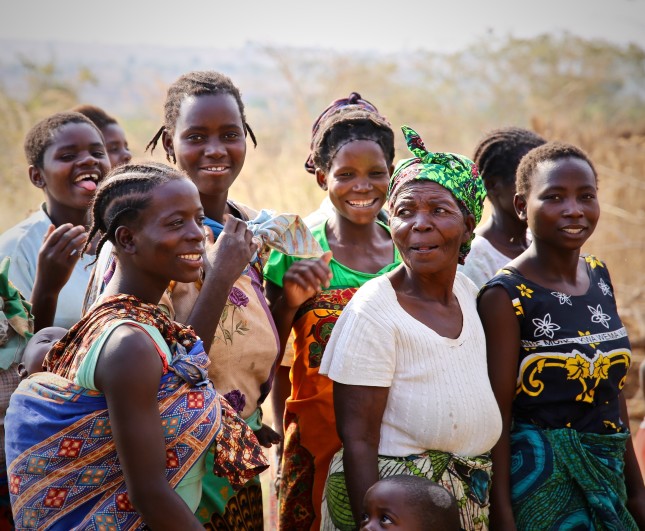
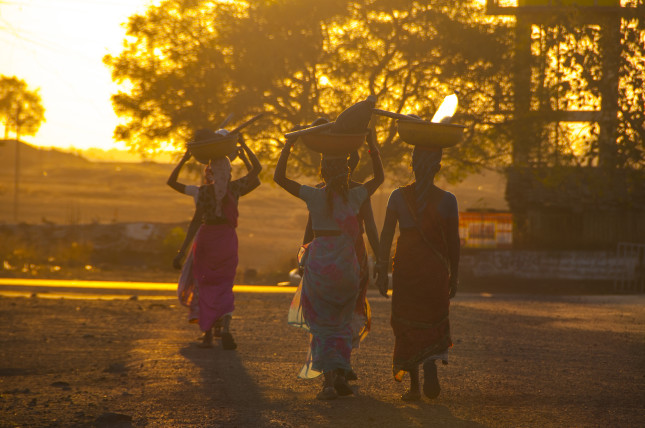
“Achieving true progress on sexual and reproductive health and rights requires a comprehensive approach and a commitment to tackling deeply entrenched inequities and injustices of which marginalized communities continue to bear the brunt,” said Dr. Herminia Palacio, President and CEO of the Guttmacher Institute. She spoke at a recent Wilson Center event where speakers analyzed findings from the Guttmacher Institute on the state of sexual and reproductive health and rights (SRHR) globally.
-
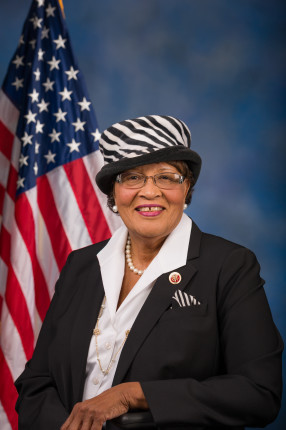
A National Reckoning: Highlights From A Conversation with Congresswoman Alma Adams
› “I believe that we’re experiencing a national reckoning and in this unique moment, I definitely see an opportunity for Congress, but also for our local governments to enact policies that begin to address our country’s greatest ills,” said Representative Alma Adams (D-NC-12) at a recent Wilson Center event on women, race, and COVID-19 in the United States. “COVID-19 has revealed what the Black community and communities of color have known for a long time—health outcomes are further compounded by systemic and structural racism. COVID-19 has exposed what women have known for a long time—gender inequality exists, it threatens economic empowerment, and it increases vulnerabilities.”
 -
At the Intersection of Climate Change and Environmental and Reproductive Justice
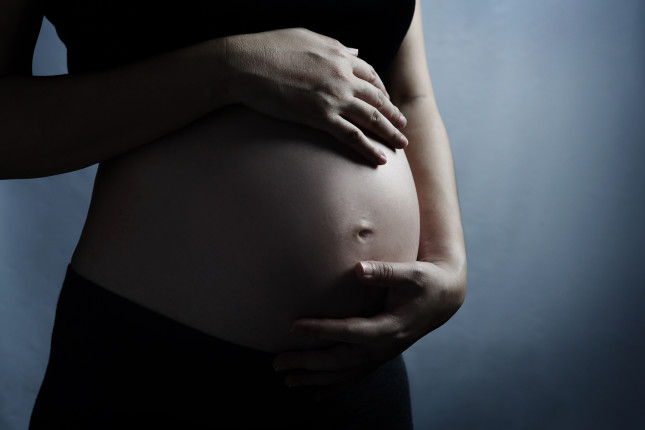
›“Reproductive justice is the right to reproductive health care, and the right to have children or not, the right to the healthiest possible pregnancy and birth, and the right to raise children in a safe and healthy environment. These rights will be challenged by climate change, including increasing temperatures,” said Linda Goler Blount, President and CEO of the Black Women’s Health Imperative, at a recent webinar on the intersections of environmental and reproductive justice on maternal health, climate change, and birth outcomes. The webinar was held on Juneteenth, the holiday commemorating the end of slavery in the United States, and many panelists’ remarks amplified the significance of the date. “Make this Juneteenth another beginning. One where we commemorate the end of climate injustice for Black and Brown people who bring life into this world,” said Blount.
-
Structural Racism and its Impact on Black Maternal Health
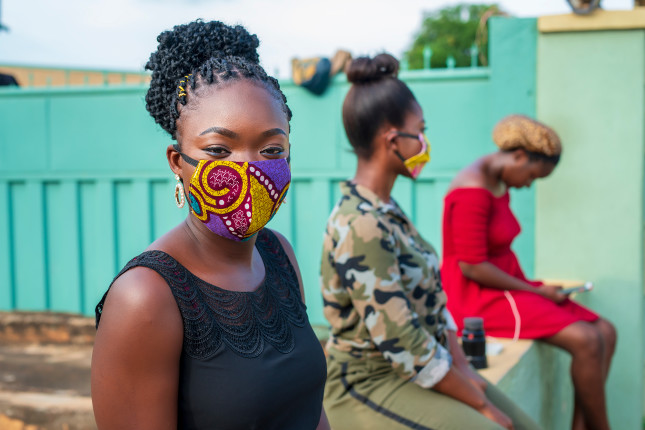
›“The past months have been profoundly difficult for our nation, and for Black communities in particular,” said Representative Lauren Underwood (D-IL-14) at a recent March of Dimes event on the impact of structural racism on maternal health. COVID-19 has highlighted health outcome inequity caused by race and racism. Though Black people constitute 13 percent of the U.S. population, the CDC estimates they represent over 30 percent of COVID-19 cases.
-
Women, Race, and COVID-19: A Conversation with Representative Alma Adams
›“The pandemic has shown us in the starkest terms how wide the gaps are in health outcomes between Black and White America and between men and women,” said Representative Alma Adams (D-NC-12) at a recent Wilson Center event on women, race, and COVID-19 in the United States. “COVID-19 has revealed what the Black community and communities of color have known for a long time, health outcomes are further compounded by systemic and structural racism,” said Rep. Alma Adams. And COVID-19 has exposed what women have known for a long time. Gender inequality exists, it threatens economic empowerment, and it increases vulnerabilities.
-
The Great Disruptor: COVID-19 Threatens Essential Health Services for Women and Children
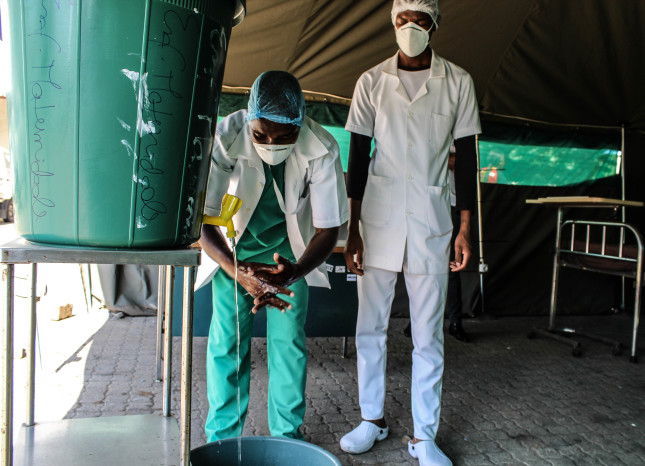
›“The world is at risk of losing millions of women and children due to reductions in coverage of essential services, reversing hard-earned progress towards the SDGs [Sustainable Development Goals] to date and posing catastrophic consequences for households and communities,” said Dr. Koki Agarwal, Project Director of the United States Agency for International Development’s (USAID) MOMENTUM Country and Global Leadership award, at a recent event on the importance of ensuring continuity of maternal, newborn, and child health services, voluntary family planning, and reproductive health care during the COVID-19 pandemic. The event was the first in a series of virtual country knowledge exchange discussions organized by USAID’s MOMENTUM Country and Global Leadership, led by Jhpiego and partners.
-
Exposure to Air Pollutants and Heat Made Worse by Climate Change Impact Black Mothers the Most
›Environmental exposures exacerbated by climate change are contributing to adverse pregnancy outcomes across the United States, with a disproportionate impact on Black women. A new study published in JAMA Network Open draws concrete connections between exposure to air pollution, ozone, and high temperatures during pregnancy and the likelihood of adverse pregnancy outcomes—premature birth, low birth weight, and stillbirth.
-
COVID-19 Could Have Devastating Effects on Adolescents’ Sexual and Reproductive Health and Rights
›In just a single year, a 10 percent decrease in sexual and reproductive health services in low- and middle-income countries could lead to another 49 million women with unmet need for contraception, according to Guttmacher Institute estimates from April 2020. Other possible effects include another 15 million unintended pregnancies, another 28,000 maternal deaths and 168,000 newborn deaths due to untreated complications, and another 3 million unsafe abortions and 1,000 maternal deaths due to unsafe abortions. The implications are staggering in terms of unmet needs, unintended pregnancies, unsafe abortions, and maternal and newborn deaths in 132 countries that are home to more than 1.6 billion women of reproductive age (15–49 years).
Showing posts from category maternal health.
 “I believe that we’re experiencing a national reckoning and in this unique moment, I definitely see an opportunity for Congress, but also for our local governments to enact policies that begin to address our country’s greatest ills,” said Representative Alma Adams (D-NC-12) at a recent Wilson Center event on women, race, and COVID-19 in the United States. “COVID-19 has revealed what the Black community and communities of color have known for a long time—health outcomes are further compounded by systemic and structural racism. COVID-19 has exposed what women have known for a long time—gender inequality exists, it threatens economic empowerment, and it increases vulnerabilities.”