-
The Unseen Side of Pregnancy: Non-Communicable Diseases and Maternal Health (New Report)
›
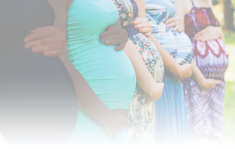
Around the world, approximately 18 million women of reproductive age die each year because of non-communicable diseases (NCDs), and two in every three deaths among women are due to an NCD. In fact, NCDs have been the leading cause of death among women globally for at least the past 30 years. And yet, women’s specific needs are often excluded from conversations about NCDs. They are underrepresented in clinical research and the effect of NCDs on women in particular is rarely considered. NCD-related symptoms during pregnancy are commonly misinterpreted or dismissed by clinicians.
-
Highlights from COVID-19: Magnifying the World’s Inequities
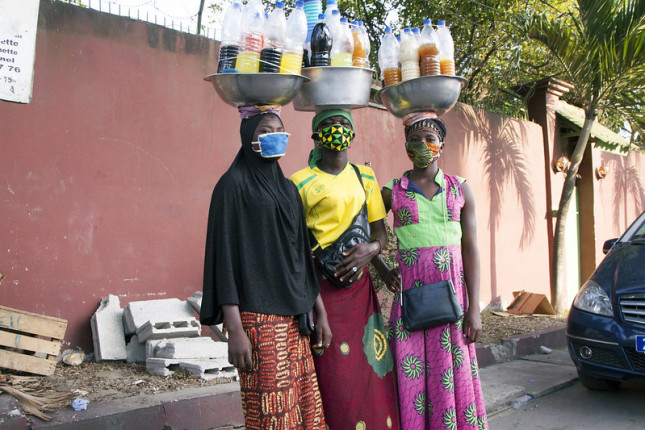
›COVID-19 has wreaked havoc the world over, and recent data shows that the hardest hit will be the world’s women and girls and populations impacted by racism and discrimination. This week’s Friday Podcast highlights remarks from a recent Wilson Center event sponsored by EMD Serono, the biopharmaceutical business of Merck KGaA, Darmstadt, Germany in the United States and Canada, on the impact of COVID-19 on race and gender inequities. -
Highlights from the First-Ever State of the World’s Nursing Report
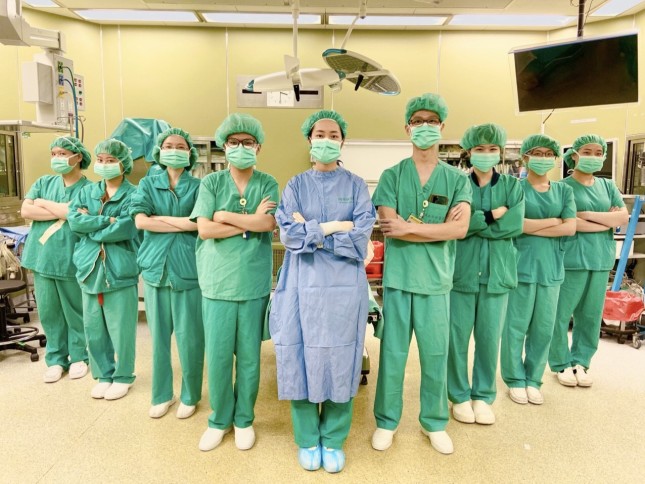
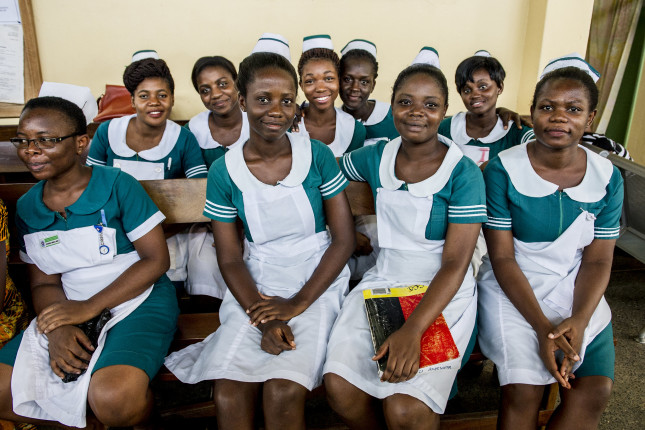
›The year 2020 has been designated as the Year of the Nurse and the Midwife by the World Health Organization. In April 2020, the World Health Organization (WHO), International Council of Nurses, and Nursing Now, published the first-ever State of the World’s Nursing Report. This week’s Friday Podcast highlights remarks from a recent Wilson Center event on the report’s findings and recommendations, gender implications in the health workforce, and the role of nurses during the COVID-19 pandemic.
-
Strengthening our Health Systems Means Giving Voice to Women Leading the Nursing & Midwifery Professions
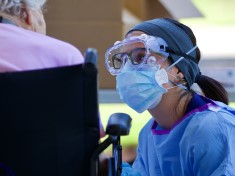
›Since the onset of the pandemic, nurses and midwives have been asked in some facilities to work without personal protective equipment. Nurses have been sent home and lost their jobs simply because they insisted on following evidence-based practices, such as wearing masks. Some question whether the masks, gloves, gowns, and other commodities in short supply are more important than nurses who question the ethics of showing up when essentials aren’t available.
-
COVID-19 Shines Spotlight on Race and Gender Inequities in Healthcare
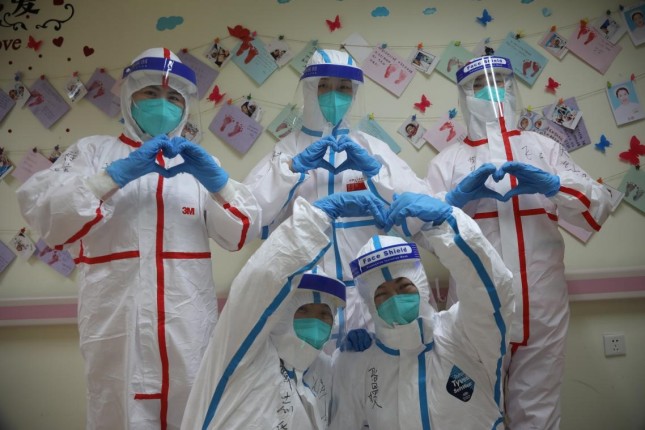
›“While COVID-19 has wreaked havoc the world over, history has proven, and recent data agrees that the hardest hit will be the world’s women and girls and populations already impacted by racism and discrimination,” said Sarah Barnes, Project Director of the Maternal Health Initiative and Women and Gender Advisor at the Wilson Center, at a recent event on the impact of COVID-19 on race and gender inequities. Coronavirus has hurt women and girls in many ways. Among them, women have been pushed back into the home. And healthcare workers and caregivers who are mostly women are jeopardizing their own health, caring for others.
-
International Day of the Midwife: A Global Call to Action
›“Today is the International Day of the Midwife, a day when we come together as a global health community to celebrate midwives, and the commitment of the midwifery profession globally to saving lives and upholding the rights of women to a safe and positive birth,” write the authors of the Global Call to Action: Protecting Midwives to Sustain Care for Women, Newborns and their Families in the COVID-19 Pandemic. Midwives are essential to the health and protection of women and newborns. The World Health Organization (WHO) estimates that 83 percent of all maternal deaths, stillbirths, and newborn deaths could be averted with the full package of midwifery care.
-
First Ever State of the World’s Nursing Report: Unlocking the Gender Dimensions
›“The year is 2020 and it’s a year none of us will forget due to the Covid-19 pandemic,” said Sarah Barnes, Women and Gender Advisor and Project Director of the Maternal Health Initiative at the Wilson Center at a recent webcasted Wilson Center event. “The year 2020, as designated by the World Health Organization, is also the Year of the Nurse and the Midwife and was meant to be a year of celebration and much due recognition of these two incredible professions.” This month, the first ever State of the World’s Nursing report was published by the World Health Organization (WHO), International Council of Nurses, and Nursing Now.
-
Integrating Cervical Cancer Prevention into Comprehensive Women’s Health Care
›Cervical cancer affects 570,000 women a year and kills 311,000. Nine in 10 (88 percent) of the deaths occur in developing countries. This cancer is caused by a common sexually transmitted infection, human papilloma virus (HPV), but is also considered a non-communicable disease (NCD) because of the slower way it presents. Yet, the disease is one of the most preventable and treatable cancers, and cost-effective solutions exist to prevent the disease. Given strong overlaps between HIV and reproductive health, we can and should do more to stop cervical cancer.
Showing posts from category maternal health.
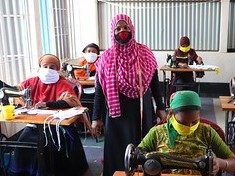 COVID-19 has wreaked havoc the world over, and recent data shows that the hardest hit will be the world’s women and girls and populations impacted by racism and discrimination. This week’s Friday Podcast highlights remarks from a recent Wilson Center