-
Interdisciplinary Solutions Will Improve Alaska Native Maternal Health (Part 2 of 2)
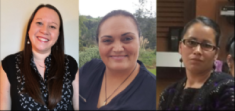
›Dot-Mom // Navigating the Poles // November 18, 2020 // By Deekshita Ramanarayanan, Michaela Stith, Marisol Maddox & Bethany Johnson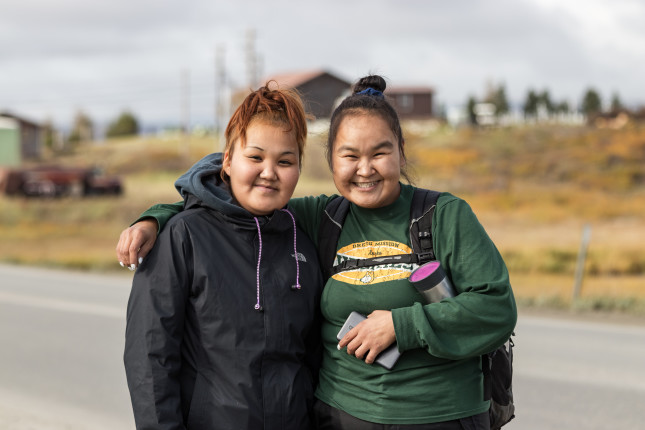
The United States is in the midst of a maternal health crisis. Indigenous and Alaska Native peoples are 2.3 times more likely to die from pregnancy-related complications than their white counterparts. In Alaska, unequal socio-economic status, lack of access to hospitals and quality health services, systemic racism, and a history of colonization drive these disparities in maternal health outcomes. “Weathering”—the deterioration of communal health outcomes caused by persistent socio-economic disadvantages—contributes to many poor maternal health outcomes for Alaska Native women. On top of these systemic problems, climate change impacts threaten to widen the existing disparities for Alaskan Native women.
-
The Importance of Community Trust to Combat COVID-19 Vaccine Hesitancy
› “Vaccine hesitancy is to be expected in a normal circumstance—it’s very different from being what we call ‘anti-vaccine,’” says Dr. Rahul Gupta, Senior Vice President and Chief Medical and Health Officer at March of Dimes, in this week’s Friday Podcast. He spoke at a recent Wilson Center event on ongoing efforts to develop and deliver a COVID-19 vaccine, co-sponsored by the University of Pittsburgh, March of Dimes, and the Jonas Salk Legacy Foundation.
 -
Building Bridges: What It Will Take to Develop a Safe, Effective COVID-19 Vaccine
›“I think we have to remember not to forget what these diseases did in the past and to actively collaborate, to work with each other, and to communicate well that vaccines work,” said Dr. Paul Duprex, Director of Pitt’s Center for Vaccine Research and Professor of Microbiology and Molecular Genetics at a recent Wilson Center event on the development of a COVID-19 vaccine, co-sponsored by the University of Pittsburgh (Pitt), March of Dimes, and the Jonas Salk Legacy Foundation.
-
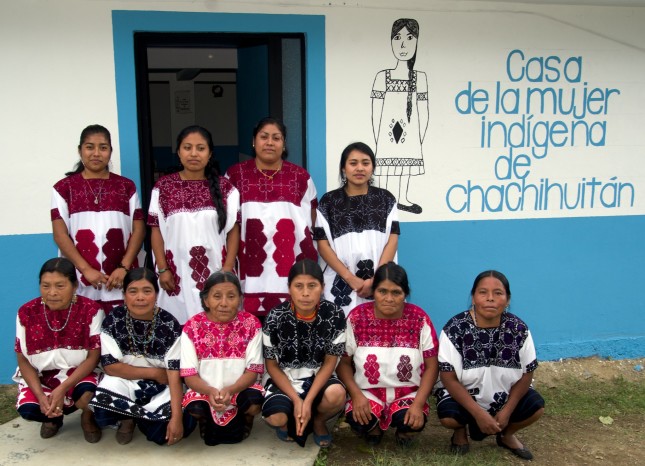
The Resurgence of Indigenous Midwifery in Canada, New Zealand, and Mexico
›Globally, Indigenous women experience worse maternal health outcomes than non-Indigenous women. In the United States, the risk of maternal death is twice as high for Native women than for white women, while in Australia the risk is four and a half times higher. This week’s Friday Podcast highlights remarks from a recent Wilson Center event with the United Nations Population Fund (UNFPA) and the International Confederation of Midwives about Indigenous midwifery. -
The Impacts of Climate Change on Alaska Native Maternal Health (Part 1 of 2)
›Dot-Mom // Navigating the Poles // October 14, 2020 // By Deekshita Ramanarayanan, Marisol Maddox, Bethany Johnson & Michaela StithEach year, 700 women in the United States die as a result of pregnancy-related complications. In fact, the United States has the highest maternal mortality ratio of all high-income countries—16.7 maternal deaths per 100,000 live births. For Indigenous/Alaskan Native women, that number is even higher: Indigenous/Alaska Natives are 2.3 times more likely to die from pregnancy-related complications than their white counterparts. While recent years have seen growing national attention to the U.S. maternal mortality crisis, research and advocacy for Indigenous peoples’ maternal health in the United States has been limited. This research gap includes the Alaskan Native peoples—Iñupiat, Yupik, Aleut, Eyak, Tlingit, Haida, Tsimshian, and multiple Diné tribes.
-
The State of Sexual and Reproductive Health and Rights: A Conversation with Dr. Zara Ahmed
› “Unintended pregnancy and abortion are reproductive health experiences shared by tens of millions of people around the world, irrespective of personal status or circumstance. What differs though are the obstacles,” said Dr. Zara Ahmed, Associate Director of Federal Issues at the Guttmacher Institute in this week’s Friday Podcast. Research from the Guttmacher Institute on sexual and reproductive health (SRH) found that in 2018, there were 121 million unintended pregnancies globally, and of those, 61 percent ended in abortion. About half of these abortions were in unsafe conditions and led to approximately 23,000 preventable pregnancy related deaths, said Ahmed. -
Knowledge Keepers: Why We Need Indigenous Midwives
›“We need more Indigenous midwives,” said Claire Dion Fletcher, an Indigenous Potawatomi-Lenape Registered Midwife and co-chair of the National Aboriginal Council of Midwives (NACM), at a recent Wilson Center event with the United Nations Population Fund (UNFPA) and the International Confederation of Midwives about Indigenous midwifery. Globally, Indigenous women experience worse maternal health outcomes than non-Indigenous women. In the United States, risk of maternal death is twice as high for Native women than white women, while in Australia the risk is four and a half times higher.
-
The Global Impact of COVID-19 on Women and Girls
›“As we face a global pandemic that has taken the lives of more than 800,000 people as of right now around the world, we certainly have to recognize the particular impacts that that has had on women and girls and their lives,” said Rep. Chrissy Houlahan (D-PA), at a recent event hosted by CARE and UNFPA about the global impact of COVID-19 on women and girls. While women make up 70-80 percent of frontline healthcare workers globally, they have also been disproportionately affected during the pandemic by increased rates of gender-based violence, lack of access to sexual and reproductive healthcare, and economic and food insecurity.
Showing posts from category maternal health.
 “Vaccine hesitancy is to be expected in a normal circumstance—it’s very different from being what we call ‘anti-vaccine,’” says Dr. Rahul Gupta, Senior Vice President and Chief Medical and Health Officer at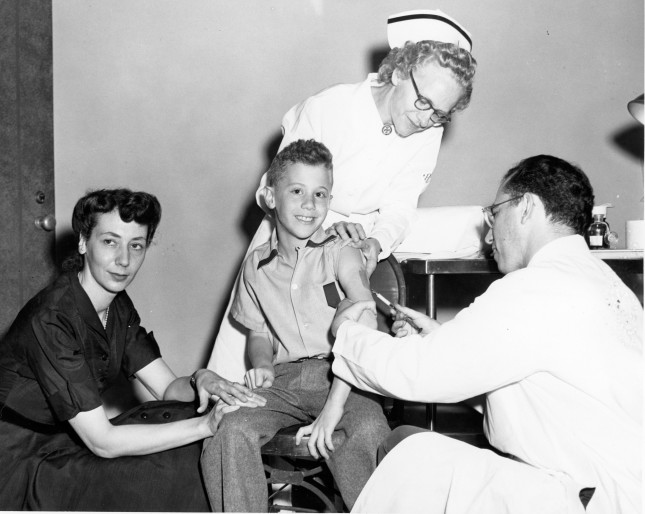
 Globally, Indigenous women experience worse maternal health outcomes than non-Indigenous women. In the United States, the risk of maternal death is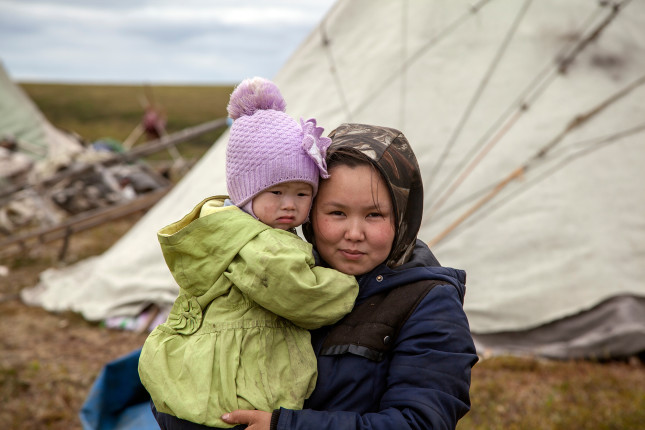
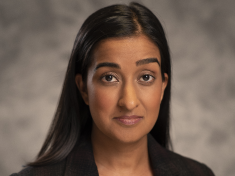 “Unintended pregnancy and abortion are reproductive health experiences shared by tens of millions of people around the world, irrespective of personal status or circumstance. What differs though are the obstacles,” said Dr. Zara Ahmed, Associate Director of Federal Issues at the