-
Global Water and National Security: Why the Time Is Now
›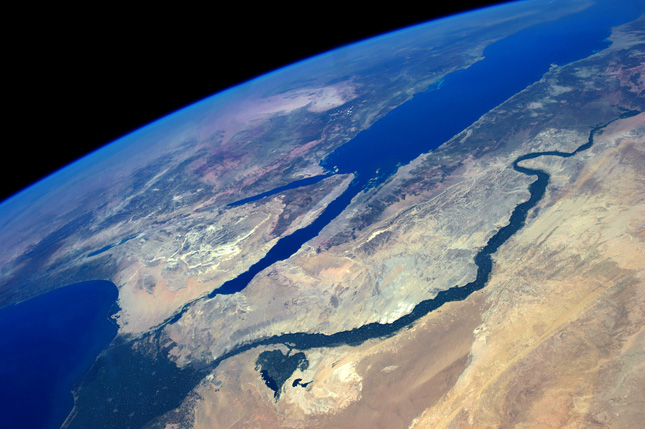
During the 2016 campaign President Trump stated that clean water would be a top priority of his administration, telling ScienceDebate.org “it may be the most important issue we face as a nation for the next generation.” Now is the time to make good on that commitment.
-
Vice-President Eduardo Stein on Water Conflict in Guatemala: Origins and Solutions
› Since 2014, Central America has experienced a dramatic lack of rainfall, destroying grain crops and killing cattle. As of last summer, 2.8 million people were impacted by drought and 900,000 were at risk of malnutrition in Guatemala alone. The effects of environmental change have been especially acute in Guatemala because they are layering on top of existing dysfunction and instability, says Former Vice-President of Guatemala (2004-2008) Eduardo Stein in this week’s podcast.
 -
Wartime Public Health Crises Cause More Deaths Than Weapons, So Why Don’t We Pay More Attention?
›In 2004 I was honored to be interviewed for The Lancet medical journal’s “Lifeline” series. I had just come away from a disastrous short tenure as the interim minister of health in Iraq following the 2003 war. I had support from former Secretary of State Colin Powell to rapidly mitigate and recover the war-related destruction of essential public health infrastructure and protections required as occupiers under Articles 55 and 56 of the Geneva Conventions that follow every war.
-
New “Backdraft” Podcast Series, on the Peace and Conflict Consequences of Climate Responses
›The science is clear: To prevent major disruption, the global community must take steps to address climate change. But it is also increasingly clear that efforts to address climate change can have major effects on societies that are not always anticipated. -
Environmental Defenders Under Attack: Second Goldman Prize Winner Killed in Less Than a Year
›Despite recent press coverage about the violence against international environmental defenders, another prominent figure has been murdered in cold blood.
-
As Asian Luxury Market Grows, a Surge in Tiger Killings in India
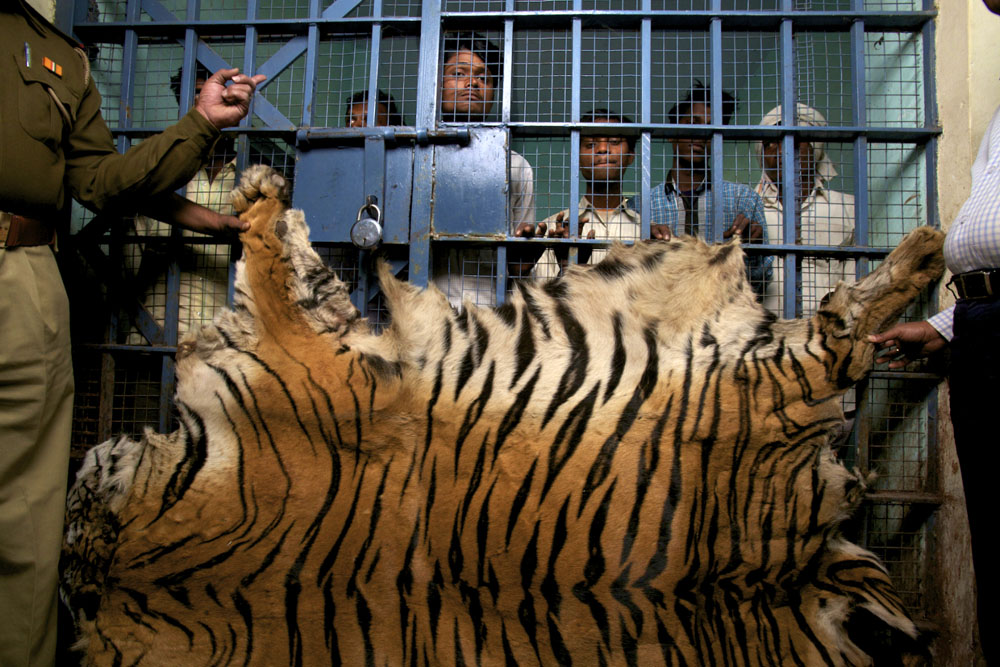
›From 1990 to 2013, the notorious tiger poacher Kuttu Bahelia and his extended family – brothers, uncles, and their wives and children – reportedly killed hundreds of tigers and leopards in the tiger-rich Indian states of Maharashtra and Karnataka, according to law enforcement informants and media reports. “Even if half that [estimate] is correct, it is still a very significant number,” says Belinda Wright, who directs the non-profit Wildlife Protection Society of India (WPSI).
-
World Economic Forum and OECD on Global Risks and Fragility: Treat the Contagion
›The World Economic Forum’s 2017 Global Risks Report, like other recent analyses of global trends, notes “rising political discontent and disaffection,” but also significant concern for environmental issues. The forum polled 745 leaders, nearly half of whom are from the business community, on the likelihood and impact of various global risks. -
Retooling U.S. Foreign Policy to Confront 21st-Century Threats
›At a time when the relative influence of the United States is decreasing, and the relative influence of states is decreasing, we need a retooling of the architecture of U.S. foreign policy. Just as “personnel is policy,” it is also true that “organization is policy.”
Showing posts from category security.
 Since 2014, Central America has experienced a dramatic lack of rainfall,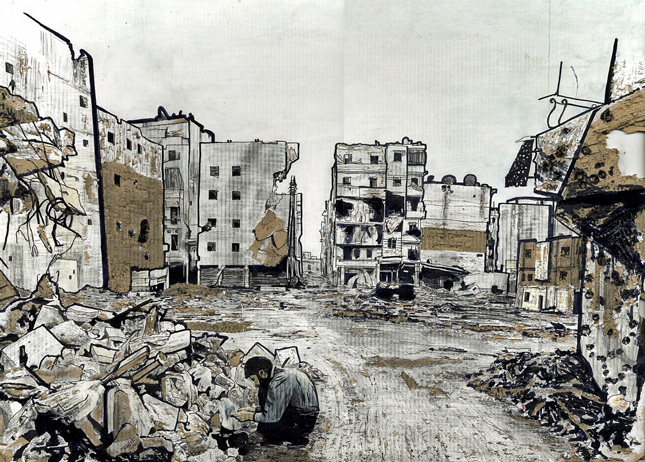
 The science is clear: To prevent major disruption, the global community must take steps to address climate change. But it is also increasingly clear that efforts to address climate change can have major effects on societies that are not always anticipated.