-
The MEDEA Legacy: Darkened Data Shed Light on a Changing Planet and Environmental Security
›March 27, 2019 // By Evan Barnard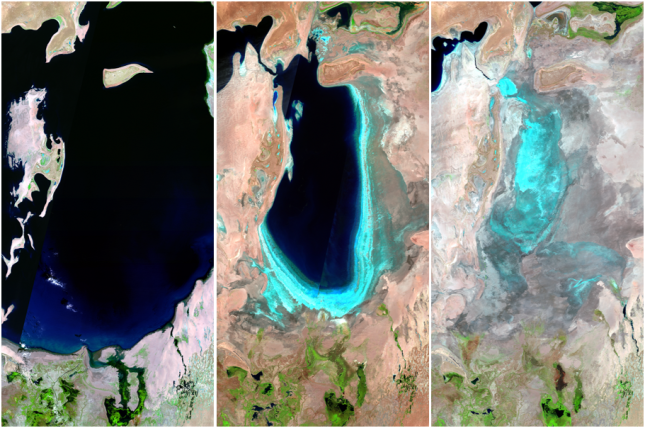
In 2018, California experienced its most destructive wildfires in history. Satellite imagery shared by NASA scientists helped firefighters track fires and map damage by comparing satellite images documenting changes to the Earth’s surface. These types of images existed for decades but were classified for military purposes until the government program MEDEA identified their potential benefit and advocated for public access in the 1990s. According to former National Oceanic and Atmospheric Association (NOAA) Chief Scientist and MEDEA member Richard Spinrad, “the systems that might be used for early detection of a missile launch may work equally well for detection of wildfires.”
-
Stopping Wildlife Trafficking Could Help Strengthen U.S. National Security
›
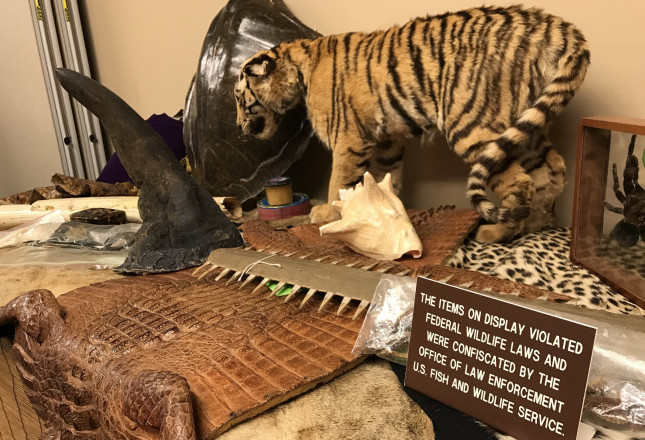
“The current administration needs to continue to work with nations, nonprofits, and the private sector to halt wildlife poaching, transit, and consumption,” said Chairman of the House Foreign Affairs Committee, Rep. Eliot Engel (D-NY) during his opening remarks at the recent Natural Security Capitol Hill Briefing. He and national security and conservation experts gathered for a panel discussion on how to combat wildlife trafficking and the effects of climate change on national security.
-
Mining Giant Behind Deadly Dam Collapse Took Lax Approach to Corporate Responsibility
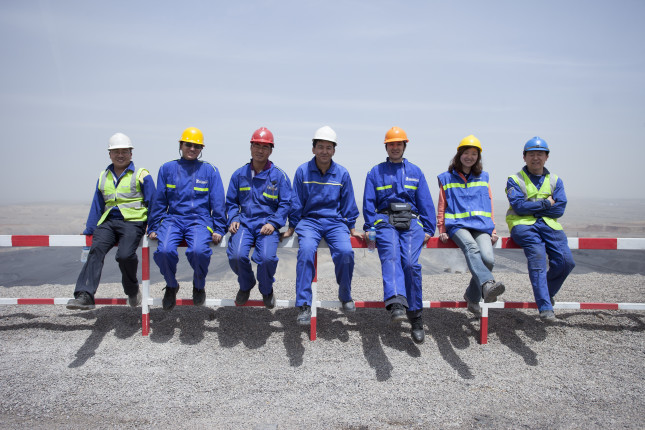
›On January 25, 2019, an iron ore mining dam collapsed in Brumadinho, Brazil. The accident was probably the worst mining dam incident in the last three decades, according to the UN. So far, 203 people have been found dead and 105 are still missing, buried underneath the wave of almost 13 million cubic meters of mining waste. At least 305 kilometers of the Paraopeba river are now covered in toxic mud. Vale SA, the company that built the dam, is the world’s largest iron ore producer.
-
Coal Communities Struggle to Diversify
›Blanketed by freshly fallen snow, mountains of the Teton Range loomed above as I explored the picturesque town of Jackson, Wyoming. A native Bostonian, I had no experience in the heart of the country, but that week I wasn’t the only outsider wandering Jackson’s icy streets. In November 2018, experts from all over the world gathered in Jackson to attend the Jackson Hole Center for Global Affairs Forum with one common goal: to identify the challenges and opportunities for coal communities worldwide as they transition their economies away from coal.
-
Targeting Infrastructure Undermines Livelihoods in the West Bank
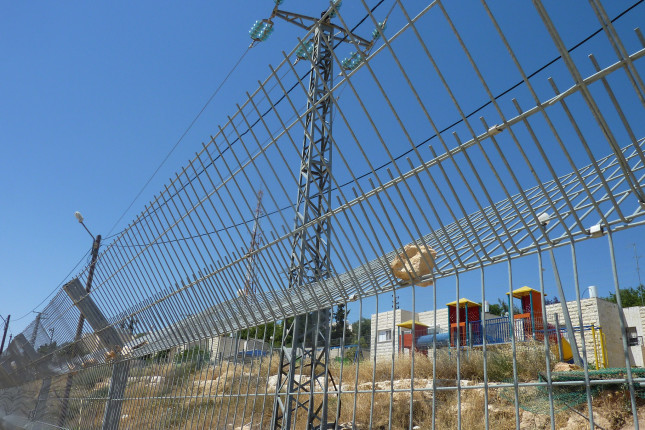
›In many Middle Eastern wars, targeting civilian infrastructure has become all too common. As we documented in a previous article, both state and non-state actors in wars since 2011 in Libya, Syria, and Yemen have targeted water, sanitation, and energy facilities to displace urban populations, punish civilians, and render local attempts to provide public services untenable. Destroying environmental and civilian infrastructure directly undermines livelihoods and human security.
-
From Resolution to Solution: UNEA’s Unique Opportunity to Tackle Environmental Dimensions of Armed Conflicts
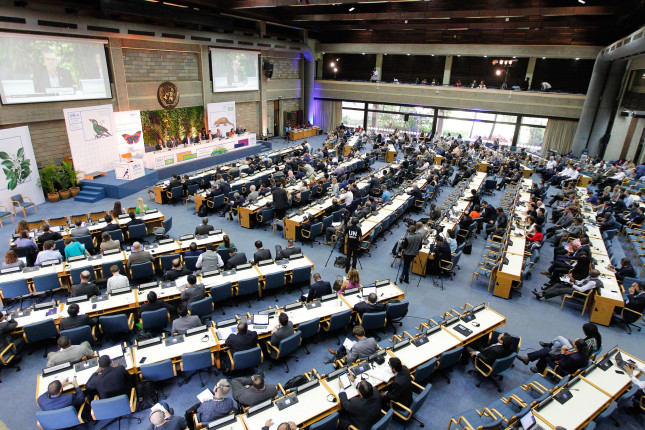
›When the Fourth Session of the UN Environment Assembly (UNEA-4) takes place in Nairobi starting March 11, governments, international organizations, and civil society organizations will discuss issues on the theme of innovative solutions for environmental challenges and sustainable consumption and production with over 30 draft resolutions submitted for discussion. With few international forums where the environmental dimensions of conflict can be properly discussed, we were optimistic about the past resolutions tackling this topic.
-
Democracy Under Assault: Guatemala Attempts to Silence Eco-populists
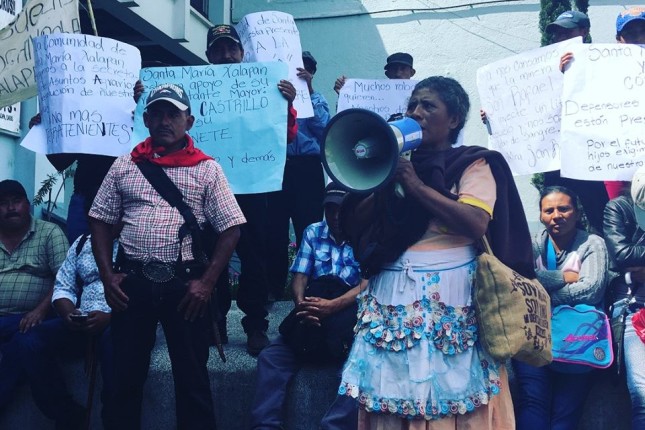
›While the U.S. has been fixated on President Trump’s contentious border wall project, another more ominous threat facing Guatemalans is building internally. In a swift reversal, many politicians and scholars who have previously argued for directing increased U.S. aid to communities in Central America’s Northern Triangle—Guatemala, El Salvador, and Honduras—as a humanitarian alternative to the border wall, are now calling on Congress to suspend some forms of aid to Guatemala, which they now see as the more humane option.
-
Missing Peace: Why Transboundary Conservation Areas Are Not Resolving Conflicts
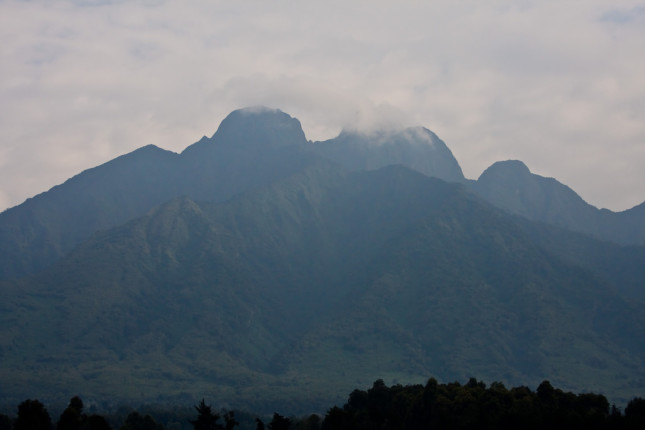
›Transboundary Conservation Areas, such as Parks for Peace, have been heralded for their potential to simultaneously contribute to biodiversity conservation and peace, but evidence to this effect has been elusive. In fact, more indications suggest that transboundary conservation areas, including Parks for Peace, rely on pre-existing international peace between countries for formalization and on-going non-violent relations for continuity. Although they are primarily designed for ecological peace (based largely on arguments of ecological connectivity), they are not immune to environmental harms. Perhaps even more challenging is how “fortress conservation” and “green securitization” compromise social peace.
Showing posts from category security.