-
Research in a Changing Arctic Must be Prioritized
›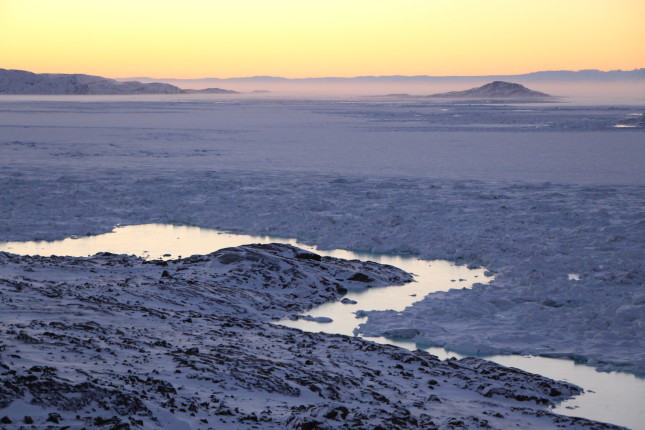
The Arctic is changing, and it’s changing fast, even faster than models had predicted. The most recent Intergovernmental Panel on Climate Change (IPCC) report found with strong confidence that the Arctic is warming two to three times faster than the global average.
-
Understanding and Responding to the Role of Drought in National Security
›
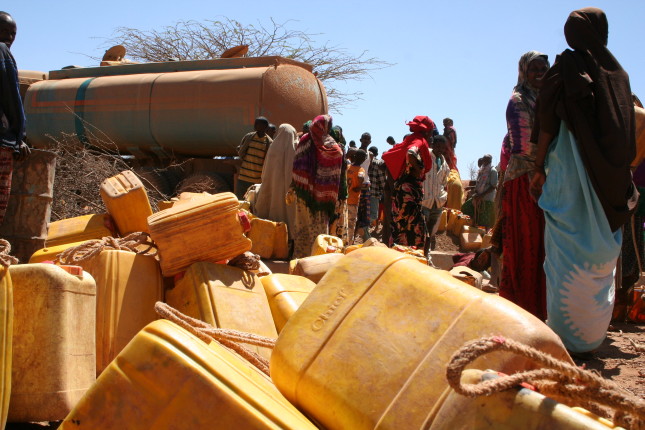
“We don’t have a world water crisis, we have a world water management crisis,” said Brigadier General Gerald Galloway (U.S. Army Ret.) at the 2nd National Drought Forum, hosted by the National Integrated Drought Information System and the National Drought Resilience Partnership at the United States Institute of Peace. The Forum brought together subject matter experts with federal and state leaders to discuss how to strengthen the state-federal relationship to improve U.S. drought readiness and resilience.
-
Can a Synthetic Substitute Save the Pangolin?
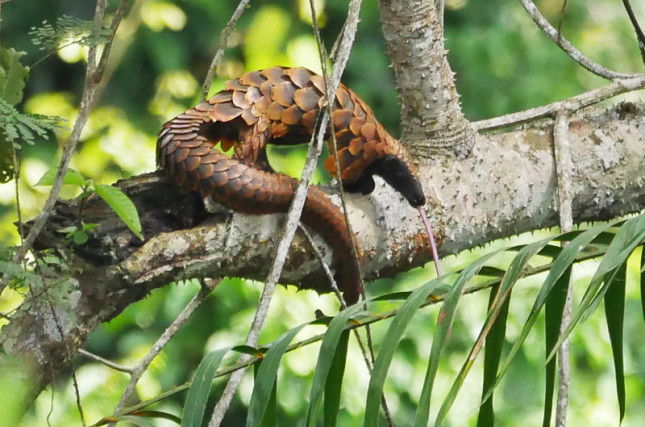
›With on average one pangolin poached from the wild every five minutes, this scaly anteater is the most highly trafficked animal in the world. Despite an international trade ban and millions of dollars of education campaigns, the killing of the pangolin for food and medicines continues unabated. In particular, the use of its scales in traditional Chinese medicine (TCM) is a large driver of demand.
-
Is Environmental Peacebuilding the Answer to South Sudan’s Conflict?
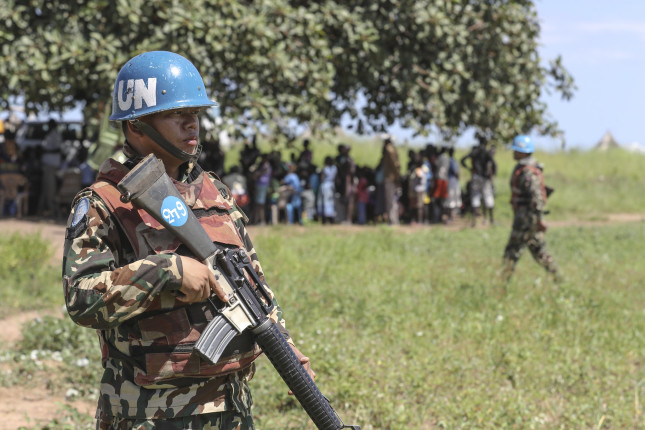
›September 12, 2019 marks one year since South Sudan’s President Salva Kiir and former Vice President-turned-opposition leader Riek Machar signed a new peace agreement. The human and environmental cost of the five-year war it ended has been staggering. Women and girls have often borne the brunt of the violence. Fighting and displacement have also placed tremendous pressure on the country’s abundant wildlife and natural resources. Militarized cattle raiding and competition over access to traditional grazing lands threaten the country’s tenuous stability. Gender-sensitive environmental peacebuilding promises to be one of the strategies needed to resolve these multiple challenges.
-
How Terrorists Leverage Climate Change
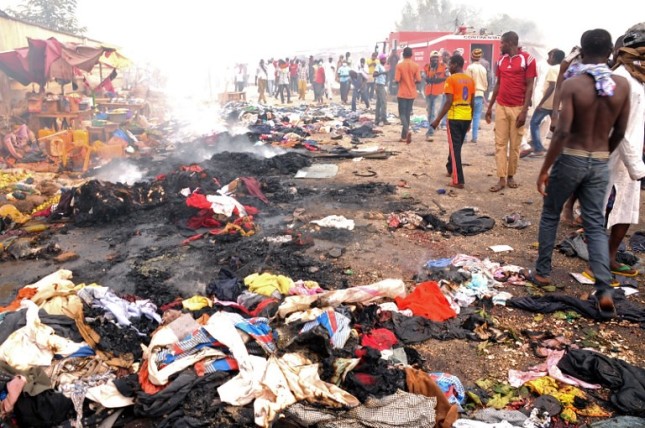
›Policymakers and emergency managers tend to build a conceptual wall between natural hazards and terrorism. The causes of—and remedies for—these two kinds of disasters are seen as separate and distinct. But, in the era of climate change, the wall between the two is crumbling.
-
David DeArmey on Engaging Communities to Increase Water Point Functionality
›Friday Podcasts // Water Security for a Resilient World // Water Stories (Podcast Series) // September 6, 2019 // By Benjamin BoslandThis article is part of ECSP’s Water Security for a Resilient World series, a partnership with USAID’s Sustainable Water Partnership and Winrock International to share stories about global water security.
“Water point functionality goes beyond the mechanical structure of a pump,” says David DeArmey, Director of International Partnerships at Water for Good in this week’s Water Stories podcast. “Community dynamics play a role in how the water point is managed on a daily basis.”
-
Untapped Opportunities? The Need to Integrate Young Women in Water Management
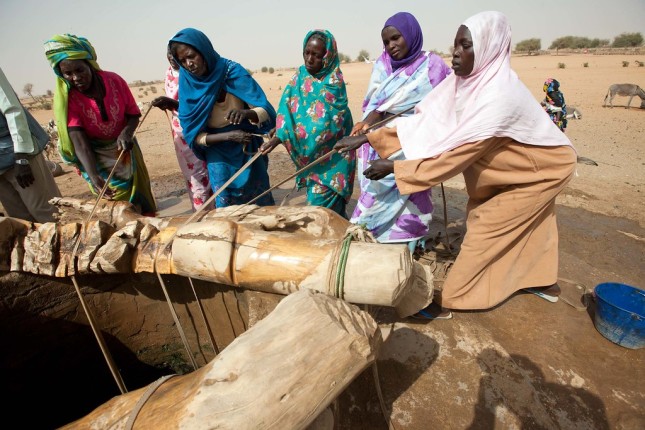
›Water security is a pervasive climate issue and one that has increasingly been viewed as a gendered issue. Worldwide, women and girls spend 200 million hours collecting water every day. While doing so, they place themselves at increased risk of assault and become more likely to develop medical issues related to physical labor. They also pay an opportunity cost, as this time could be better spent in school or performing other productive tasks.
-
Lisa Palmer, Mongabay
Precision conservation: High tech to the rescue in the Peruvian Amazon
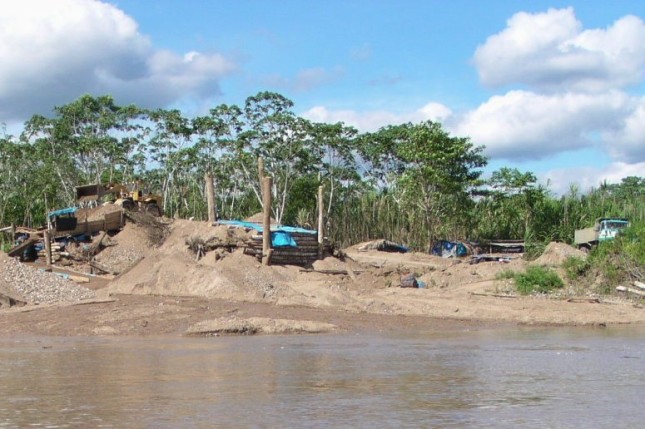
›August 28, 2019 // By Wilson Center StaffThe mother capybara and her three babies chew on grasses along the Los Amigos River as we drift near. Around a bend, white caimans fortify each sandbar, mouths open, waiting. Kingfishers plunge into the water to retrieve a morning meal, as oropendolas fly overhead. Spider monkeys and red howlers balance in the treetops of the soaring canopy 30 to 60 meters (100 to 200 feet) high that lines both riverbanks.
Showing posts from category security.