-
The Environment Has Become a Hostage of Armed Conflict
›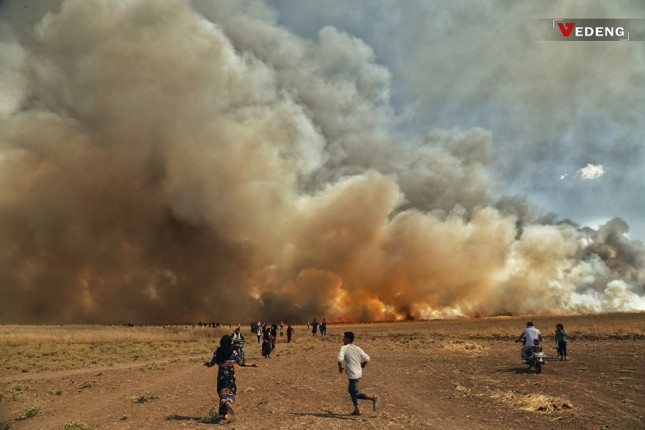
This year, 2019, marked a new nadir for the environment that may reflect an ominous trend in warfare: Environmentally sensitive targets are being weaponized and taken hostage. Farmland went up in flames and burning oil tankers dominated the headlines, serving as a stark reminder of conflict’s ripple effects.
-
Climate Change, Conflict, and Peacebuilding in Solomon Island Communities
›
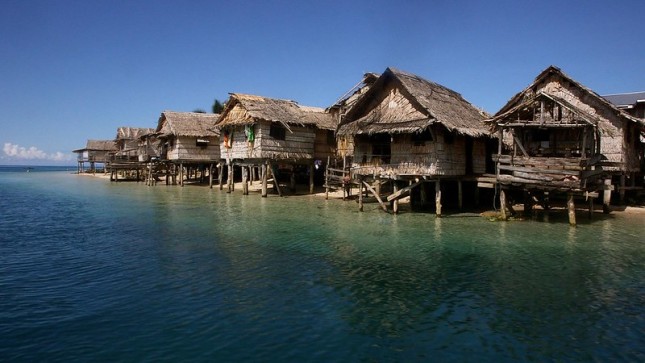
Meaningful engagement with the social and conflict implications of climate change in Solomon Islands must be firmly grounded within local worldviews—within Solomon Islanders’ physical, economic, political, and social and spiritual worlds. As we note in a recent policy brief for the Toda Peace Institute, when addressing conflict challenges exacerbated or caused by climate change, approaches should be draw upon community understandings of what constitutes peace and justice.
-
Rehabilitating North Korea’s Forests: The Struggle to Balance Conservation with Livelihoods
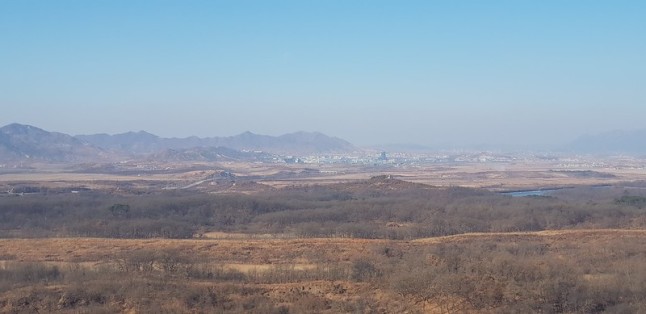
›Venerated in art and poetry, Korea’s verdant mountain forests hold a special place in Korean people’s hearts. Like their political systems and economies, however, forest fortunes in North and South Korea have gone in very different directions since the country’s division more than 70 years ago.
-
Family Planning in Humanitarian Settings is Achievable and Effective
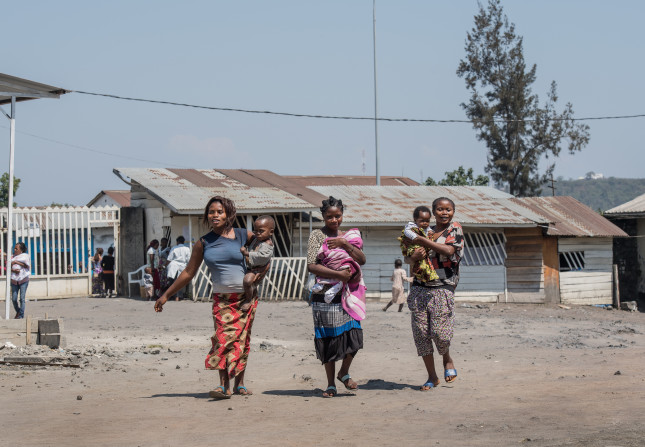
›“Family planning saves lives, even in times of crisis,” said Gwen K. Young, Managing Director at the Global Emergency Response Coalition at a Wilson Center event on October 8 on the importance of providing family planning and reproductive health services in humanitarian settings. Speakers from Save the Children, CARE, the International Rescue Committee, and FP2020 spoke to programmatic successes, innovative solutions, and local partnerships in fragile settings. Young highlighted that 1 in 70 people worldwide need humanitarian assistance and a quarter of these are women and girls of reproductive age. All told, more than 30 million women and girls in 42 countries.
-
Hydro-Nationalism: Future Water Woes Call for Radical New Borders
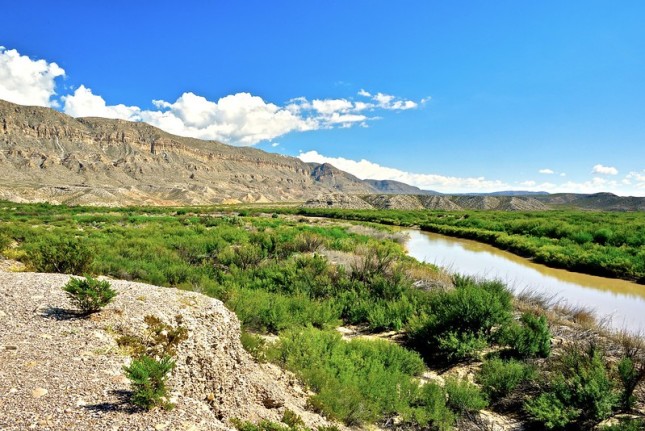
›International political boundaries are arbitrary creations. Today’s borders are better described as imaginary lines on maps, rather than hard barriers between states. Often using mountains, rivers, or other geographical landmarks, modern borders are entrenched in historic tradition rather than logic and fact. As a result, today’s international borders are poorly equipped to handle modern challenges, in particular climate change, which has already begun to threaten the most important state resource, fresh water.
-
A New View of Disaster Risk and Reduction: An Interview with Roger Pulwarty, Senior Scientist at NOAA
›October 21, 2019 // By Mckenna CoffeyThe UN Office for Disaster Risk Reduction recently released the fifth edition of the Global Assessment Report on Disaster Risk Reduction (GAR19). The report highlights the increasingly complex interaction between hazards, and provides an update on how risk and risk reduction are understood in practice. GAR19 also highlights how the latest Disaster Risk Reduction (DRR) framework integrates into global goals such as the Paris Agreement and the 2030 Agenda for Sustainable Development. To better understand the scope and significance of this report, New Security Beat sat down with Roger Pulwarty, Senior Scientist at NOAA, and a lead author of the GAR19.
-
Defying Boundaries: Using Climate Risks to Forge Cross-Border Agreements
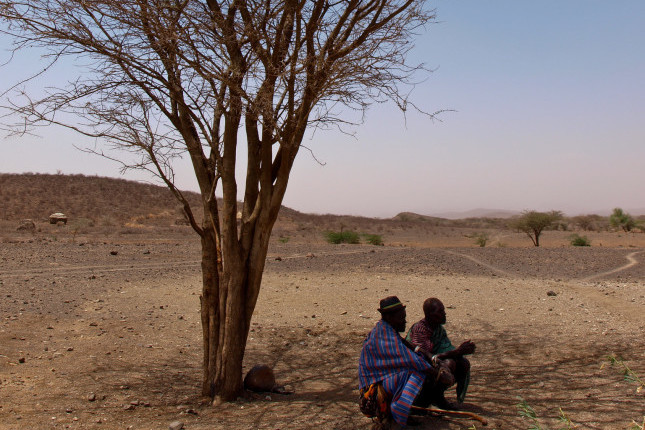
›Climate change is a risk, said Maurice Amollo, a Mercy Corps Chief of Party in Nigeria Mercy Corps. “But it is also an opportunity if people come together.” He spoke at a recent USAID Adaptation Community Meeting, “Tackling the threat multiplier: Addressing the role of climate change in conflict dynamics.” The discussion focused on USAID’s Peace III initiative that Amollo and Mercy Corps implemented in the Karamoja region along the borders of Kenya, Ethiopia, Somalia, and Uganda, where climate and conflict shocks are part of daily life for pastoralist ethnic groups. Addressing climate and conflict issues in these regions will require using the environment to build cooperation and peace, said Eliot Levine, the Director of Mercy Corps’ Environment Technical Support Unit.
-
How Fires Threaten Syria’s Security
›Fires are proliferating. By the end of September, over 4,500 active fires had been detected in Syria during 2019. From May through June, 2,106 of these fires burned in northeastern Syria—Raqqa, Deir ez-Zour, and Al-Hasakeh – as documented by the nongovernmental organization, REACH. Meanwhile, widespread fires in Brazil’s Amazon rainforest caused global alarm. World leaders are becoming increasingly concerned about the environmental threats posed by increased fires, but Syria’s fires may also be linked to security threats.
Showing posts from category security.