-
Cascading Impacts of the War in Ukraine: Mental, Maternal, and Newborn Health
›Ukraine and its people will feel the effects of the Russian invasion for years to come. More than 6 million refugees have left Ukraine, another 8 million Ukrainians are internally displaced. Among those most impacted are Ukraine’s women and girls, who have a greater chance of experiencing gender-based violence, exploitation, and trafficking. They also face escalated maternal and newborn mortality rates stemming from lack of services and diminished care, as well as injuries and trauma due to the ongoing conflict. Less visibly, Ukrainians are confronting severe emotional distress and trauma.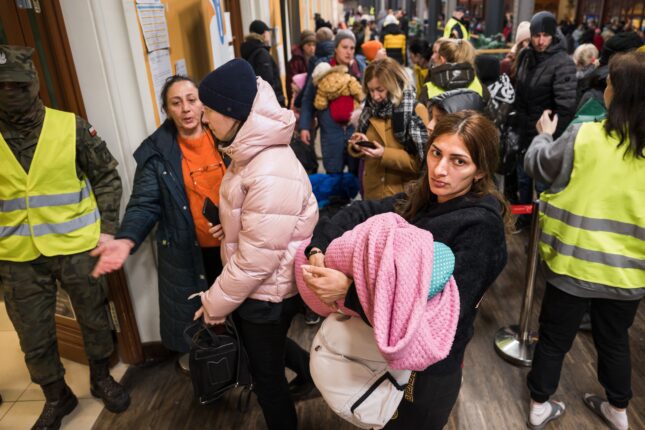
-
Water Diplomacy can Learn from Realist Ideas
›Guest Contributor // Water Security for a Resilient World // July 19, 2022 // By Sumit Vij, Jeroen Warner, Mark Zeitoun & Christian Bréthaut
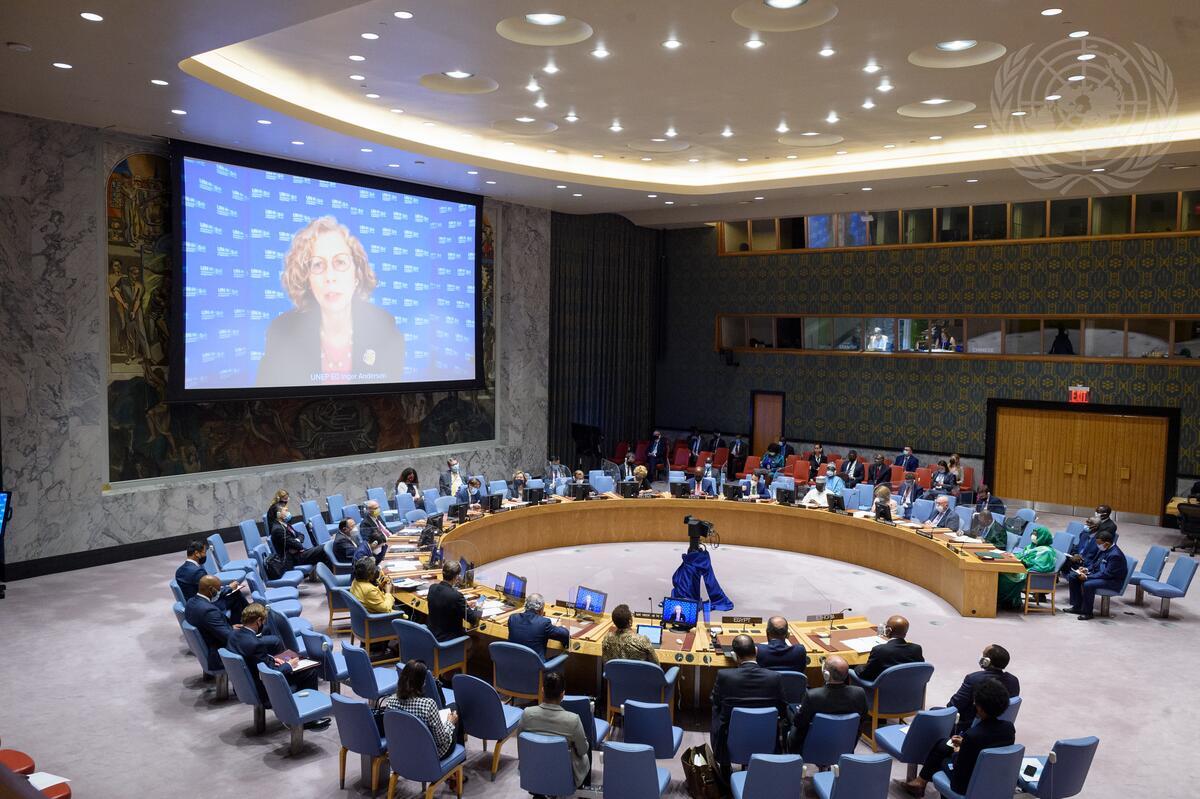
As Russia’s war in Ukraine continues and nations are returning to behaviors best explained by realism, we are wrestling with these trends’ longer-term implications on water diplomacy. States are becoming inward-looking and prioritizing national sovereignty. Debates about water and climate are resurfacing, and we should better understand how hard power and inward-looking approaches can impact water diplomacy and cooperation. To inform policymakers about power sensitivities and power games played in diplomacy, water diplomats must rethink the future of water security and peace. They should reexamine leadership styles, cultural sensitivities, and knowledge exchange from the lens of realism.
-
Top 5 Posts for June 2022
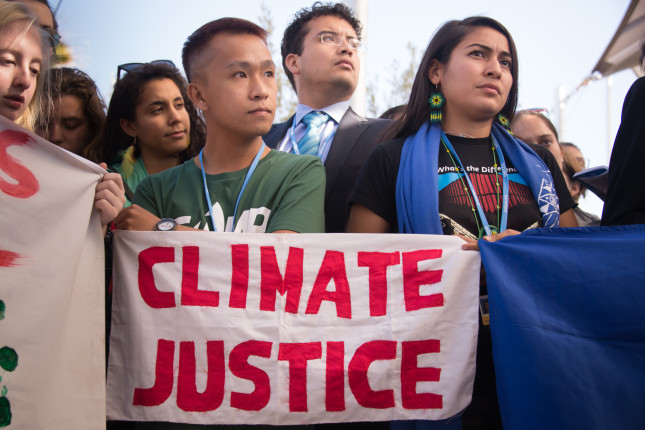
›From climate change to COVID-19 and the war in Ukraine, the world is a landscape of increasing instability. Book-ending the Top 5 posts of June are two articles that explore different aspects of these converging risks. In the top post for June, Steven Gale and Mat Burrows write that globally, younger generations are becoming increasingly disengaged and discontent with their democratic governments, civil society, and institutions. Youth disillusionment is not a result of ignorance to current affairs, but rather a lack of faith in democratic institutions to address today’s most pressing global issues. Tackling youth disillusionment, suggest Gale and Burrows, begins with examining youth engagement trends and placing it at the top of the agenda.
-
What’s in a Name? Making the Case for the Sahel Conflict as “Eco-violence”
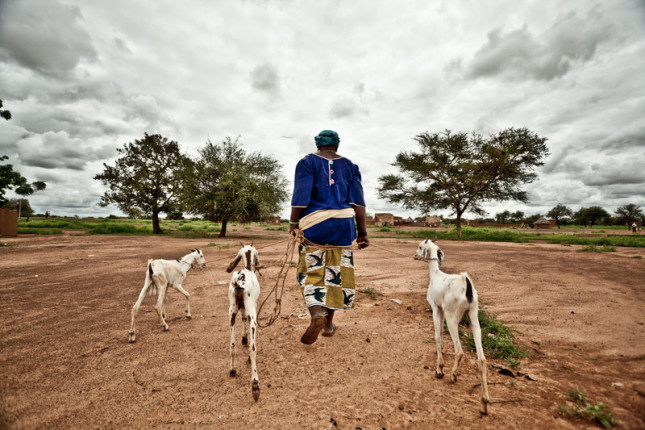
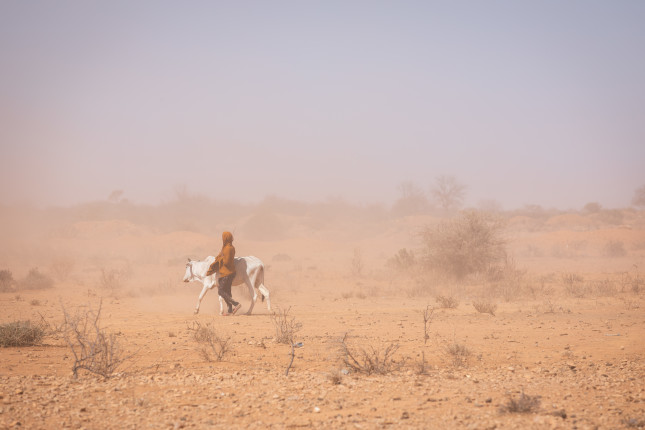
›The Sahel region of Africa is a semi-arid, arc-shaped landmass that stretches 3,860 kilometres from Senegal across portions of Mali, Burkina Faso, Niger, Nigeria, Chad, and even Sudan. It is also the most neglected and conflict-ridden part of the planet, according to the Norwegian Refugee Council.
-
Tackling Scarcity and Building Security: A Response to IUU Fishing
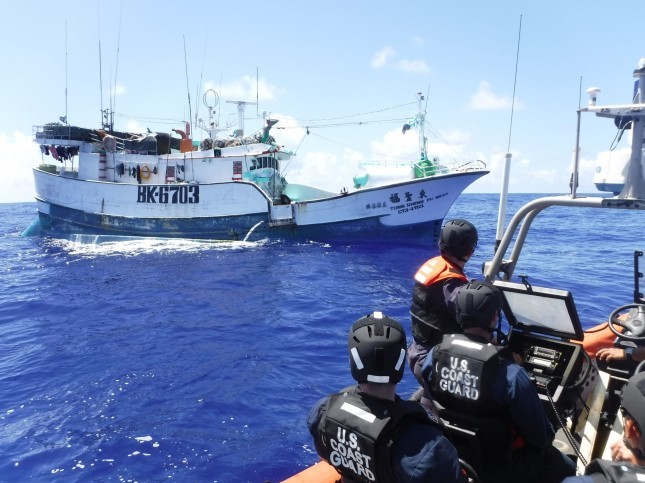
›Last month, as global leaders met in Lisbon for the UN Oceans Conference, President Biden signed a National Security Memorandum to address the challenge of illegal, unreported and unregulated (IUU) fishing. This event is a promising sign that the U.S. and other governments are accelerating the response to the threat that IUU fishing poses—not just to the environment, the economy and human rights, but also to global peace and security.
-
Responsible Research Won’t Be Enough to Control Solar Geoengineering
›As climate change worsens, the once-unimaginable power to use technology to cool the planet—a method known as “solar geoengineering”—has quietly entered the realm of possibility. Yet the prospect of developing such planet-altering technologies has launched an intense debate: Can this be achieved responsibly? Should it be attempted at all?
-
Exploring Climate Security: Why Bad Outcomes Occur in Some Places and Not Others
›My latest book—States and Nature: The Effects of Climate Change on Security (Cambridge University Press)—has been more than two decades in the making. And as I reflect on that journey, I see significant parallels between my own trajectory and the larger efforts to define and refine thinking about climate security.
-
PERAC: A Voice for Environment and Indigenous Peoples in Conflict’s Grip
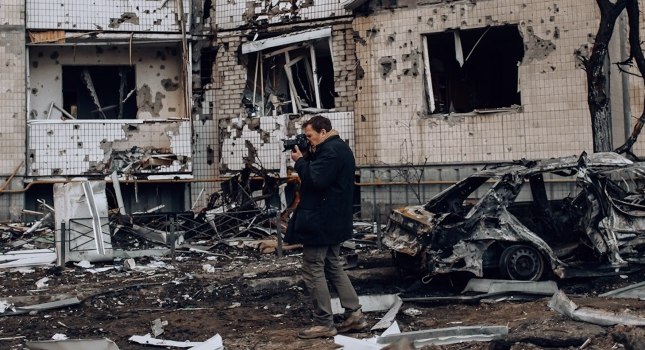
›The harm that comes to the environment during armed conflict is often permanent, yet the lack of advocates to fight for its protection as they happen creates a deafening stillness. Indeed, this state of affairs has led to the environment to be seen as the “silent victim of war.” Vietnam, Kuwait, Syria, Afghanistan, Ukraine, and several more nations have been permanently damaged due to the destruction of the environment during armed conflict which can persist long after hostilities have ceased.
Showing posts from category security.