-
Most LGBTQ+ Individuals Remain in the “Global Closet”–At Great Cost to Global Health
›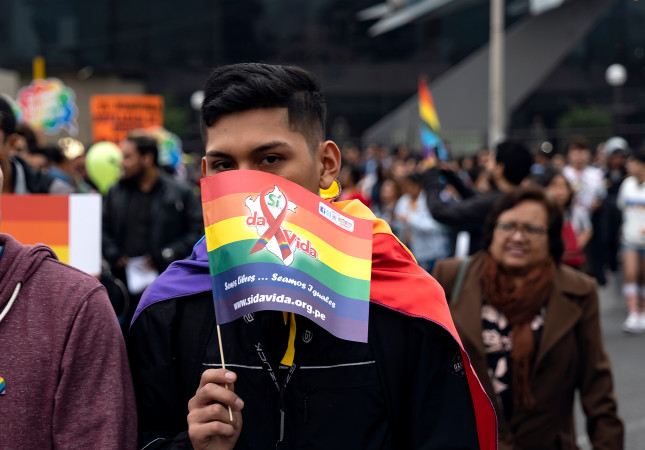
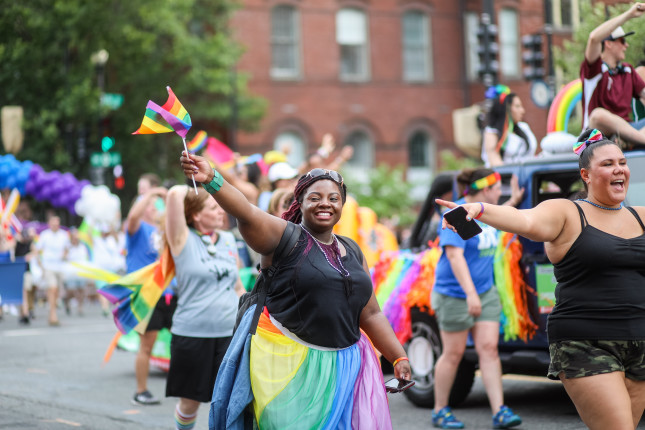
Pride month 2021 is underway, with parades, celebrations, and advocacy movements all over the world. Given the month’s celebratory nature—along with the increasing acceptance of and recent victories for LGBTQ+ * (lesbian, gay, bisexual, transgender, queer or questioning, and others) communities in some countries—it might be easy to assume that most lesbian, gay, and bisexual individuals are “out.” However, according to a study by the Yale School of Public Health, this is far from the case. The vast majority of lesbian, gay, and bisexual individuals remain in the closet, concealing their sexual orientation from “all or most” people in their lives.
-
Beyond Pride: Ensuring Affirming, Respectful Sexual and Reproductive Healthcare for LGBTQ+ Communities
›
In June 1969, the Stonewall Uprising in Manhattan served as a critical tipping point for the Gay Liberation Movement in the United States. Each June, communities around the world celebrate Pride Month to honor this struggle and continue fighting for a more equal future. More than 50 years after Stonewall, Lesbian, Gay, Bisexual, Transgender, and Queer or Questioning (LGBTQ+)* people in the United States struggle to access culturally competent and respectful sexual and reproductive health care.
-
A Conversation with Dr. Nahid Toubia: Bodily Autonomy and the 2021 State of World Population Report
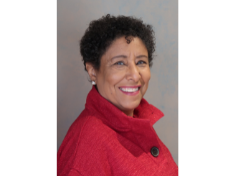
›Africa in Transition // Dot-Mom // Friday Podcasts // May 28, 2021 // By Hannah Chosid & Deekshita RamanarayananBodily autonomy is something almost innate in us, and yet also a Eureka moment for many people, says Dr. Nahid Toubia, Director for the Institute of Reproductive Health and Rights in Sudan on this week’s episode of Friday Podcasts. “Every human being really has the right to own their body, to own their decisions, to own their choices regarding their life, their futures, how they want to live, who they want to partner, whether they want to have children or not, what kind of families they want to have,” she says. “So, all of these choices are all wrapped up in this concept of body autonomy.” -
My Body, My Voice, My Choice: Launching UNFPA’s 2021 State of World Population Report
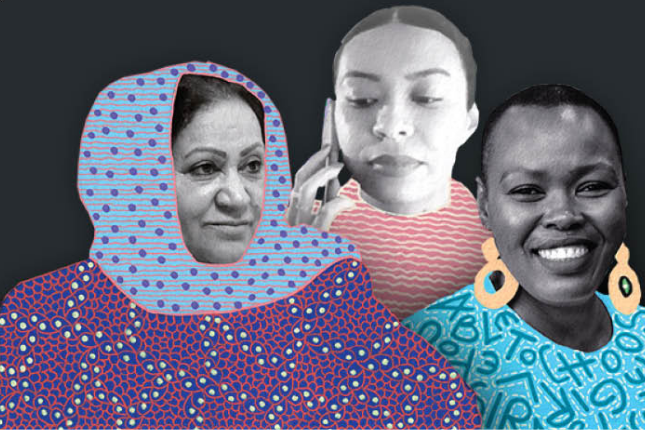
›“As we’re talking, the bodily autonomy of millions of women and girls around the world is still denied,” said Klaus Simoni Pedersen, Acting Director of the Division of Communications and Strategic Partnerships for the United Nations Population Fund (UNFPA) at the recent U.S. launch event of the 2021 UNFPA State of the World Population report, hosted by the Wilson Center and UNFPA. The report, My Body is My Own: Claiming the Right to Autonomy and Self-Determination, examines the global status of women and girls as reflected in their agency and decision-making power.
-
Creating a New Normal with a New Global Public Health System
›“Ask a big enough question, and you need more than one discipline to answer it,” said modern dance legend Liz Lerman.
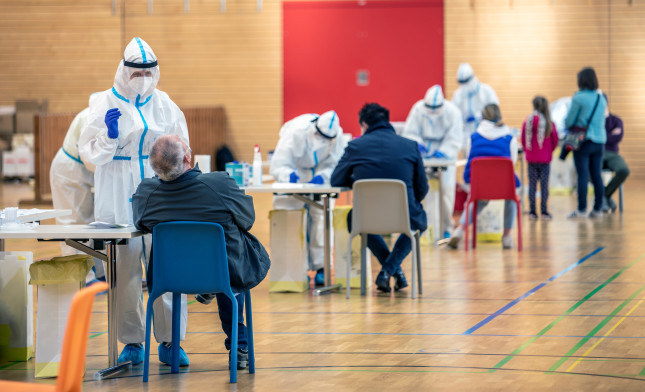
As the COVID-19 pandemic spread across the globe, the World Health Organization (WHO) warned that there would be no going back to normal. They knew a failure to make timely and accurate public health decisions for a pandemic would prove to be the “difference between life and death.” How correct they were.
-
Avoiding Crisis in Jordan’s Tenuous Water Future
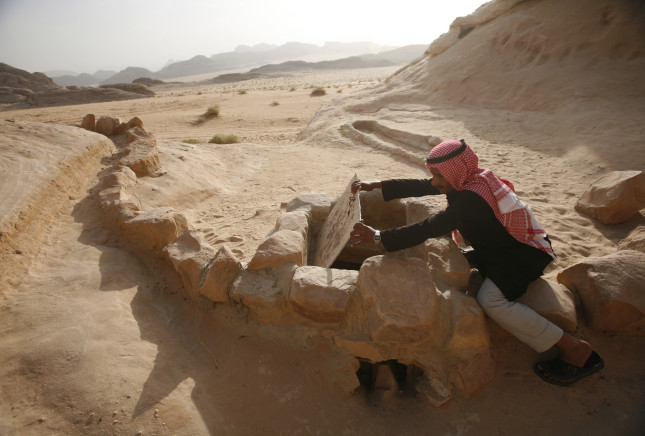
›Jordan is facing a deepening, multi-faceted freshwater crisis. Climate change and population growth are exacerbating its extremely limited natural water availability and dependence on transboundary rivers and groundwater. Water-poor and functionally landlocked, Jordan serves as an archetype of a water-stressed nation.
-
Ensuring Essential Health Care for Mothers and Newborns During the Pandemic
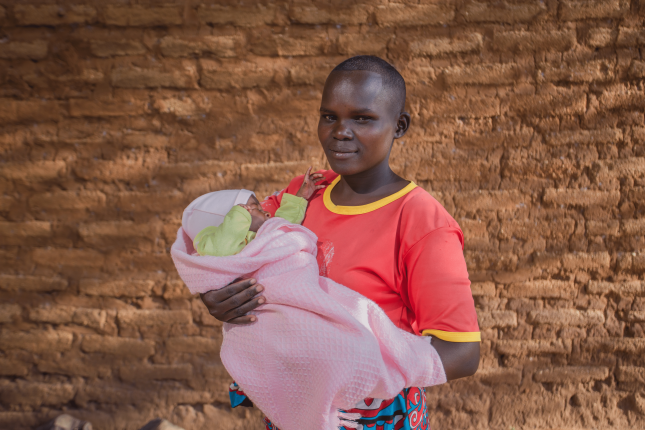
›Africa in Transition // Covid-19 // Dot-Mom // Guest Contributor // March 24, 2021 // By Koki AgarwalJoyce Makasi, a young woman in Kambiti village, Kitui County, Kenya, went into labor with her second child one afternoon in December 2020. She had just enough money to hire a motorbike to take her to nearby Waita health center. At the facility, the clinical officer and nurse told her she would need a cesarean delivery. It wouldn’t be her first cesarean, but COVID-19 presented new obstacles.
-
Turning Applause into Action: Investing in Women Leaders in Nursing and Midwifery
›“Midwives and nurses contribute to the health of women, families, communities, and society at large, but the impact of their care goes much further… Their care is transformational,” said Diene Keita, Deputy Executive Director for Programmes at UNFPA. She spoke at a recent event hosted by Women in Global Health, which virtually convened nurses and midwives from around the world to celebrate 100 outstanding women nurse and midwife leaders from over 50 countries. The event occurred in honor of the Year of the Nurse and the Midwife, as designated by the World Health Organization (WHO). The list of 100 leaders is the first global recognition of its kind and commemorates women’s unique stories of resilience, leadership, and hard work.
Showing posts from category population.