-
Predicting the Rise and Demise of Liberal Democracy: How Well Did We Do?
›
In 2007, at the (U.S.) National Intelligence Council, a colleague and I set out to determine if we could forecast two distinct political phenomena, the rise and the demise of high levels of democracy. To guide our decade-long forecasts, we relied on a simple statistical model and a spreadsheet of demographic projections from the UN’s 2006 World Population Prospects data set. Now that the experimental period (from 2010 to 2020) has ended, we can look back and ask: How well did these forecasts perform?
-
No Vaccine to End the Shadow Pandemic of Gender-Based Violence
›“Addressing gender equity and equality is essential to every other challenge we face,” said U.S. Vice President Kamala Harris in a recent speech at the Generation Equality Forum. Following the forum, countries across Francophone Africa made key commitments to end gender-based violence (GBV), including child marriage.
-
Engaging Marginalized Groups is Essential to Achieving Universal Health Coverage
›Too often, many in my community are excluded from sexual and reproductive health services, said Ruth Morgan Thomas, co-founder and Global Coordinator of the Global Network of Sex Work Projects, in today’s episode of Friday Podcasts. This episode features highlights from a recent Wilson Center and UNFPA event where Thomas and Zandile Simelane, an HIV Youth Advocate from Eswatini, address the barriers that their respective communities—sex workers and HIV positive youth—face in accessing sexual and reproductive health (SRH) services and universal health coverage (UHC). -
A New Generation of Family Caregivers Emerges During the Pandemic
›The population of unpaid family caregivers is shifting, and the pandemic has accelerated that change. One in five carers became caregivers for the first time during the pandemic, according to the Embracing Carers Global Carer Well Being Index®. A disproportionate share of these new carers were Gen Z or millennial (less than 38 years old). And 25 percent were caring for children and a sick/aging parent or grandparent.
-
World Population Day 2021 – Setbacks in Development and Family Planning Slow Progress Along the Demographic Transition
›Globally, the demographic transition from high to low fertility and mortality has improved quality of life for billions of people over the past several decades. The average number of children born per woman worldwide decreased from nearly 5 in 1950 to 2.47 by 2020. Improvements in infant and child mortality boosted life expectancy at birth from a global average of 47 years in 1950 to over 72 years today. These gains in fertility and mortality were a result of rising incomes and significant investments and improvements in public health, education, and family planning access—18 months into a global pandemic, it’s becoming increasingly apparent that COVID-19 has disrupted these gains, slowing progress along the demographic transition for those countries in the earliest stages. This World Population Day is therefore an important opportunity to recommit to investments in health and education and resume our progress in improving lives for the world’s poorest and most vulnerable.
-
We Have to Put the Last Mile First: Ensuring Sexual and Reproductive Health for All
›Whether marginalized populations, such as adolescents, LGBTQ+ people, migrant workers, and sex workers are included in health services can be a “litmus test” of our progress towards universal health coverage (UHC), said Sivananthi Thanenthiran, Executive Director of Asian-Pacific Resource and Research Centre for Women (ARROW). Thanenthiran spoke at a recent Wilson Center event with the United Nations Population Fund (UNFPA) and the World Health Organization (WHO) Department of Sexual and Reproductive Health and Research about the importance of engaging stakeholders in sexual and reproductive health (SRH) to achieve UHC for all. In SRH services, the most marginalized and most vulnerable populations are often left out, she said. When engaging stakeholders, representatives from these groups must be included to ensure equity in healthcare services.
-
The Cost of Care: How the COVID-19 Pandemic Has Exacerbated the Baby Bust
›The decision to have a child usually requires a feeling of stability and confidence in the future, says Natascha Braumann, Director of Global Government and Public Affairs for Fertility at EMD Serono, on this week’s episode of Friday Podcasts. But with COVID-19, especially in the first months of the pandemic, there was no feeling of stability. “No one knew what was going to happen.” -
COVID-19 Accelerates Existing Decline in Fertility Rates
›“Spoiler alert: COVID made it even worse,” said Natascha Braumann, Director of Global Government and Public Affairs for Fertility at EMD Serono, of declining fertility trends across the globe. Braumann spoke at a recent Wilson Center event highlighting pre-pandemic fertility, demographic trends, and the impact of COVID-19. The panel was co-sponsored by EMD Serono, the healthcare business of Merck KGaA, Darmstadt, Germany.
Showing posts from category population.
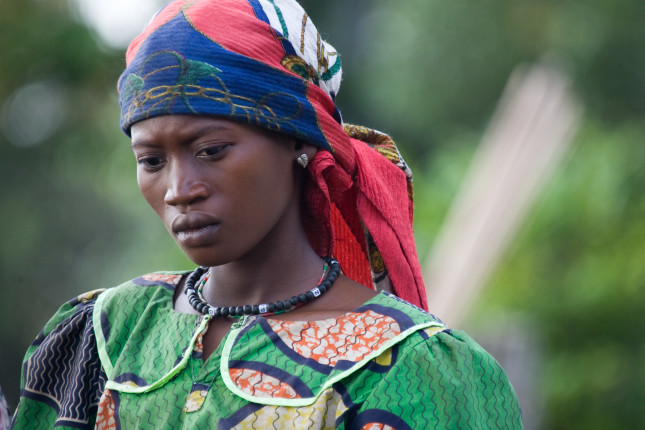
 Too often, many in my community are excluded from sexual and reproductive health services, said Ruth Morgan Thomas, co-founder and Global Coordinator of the
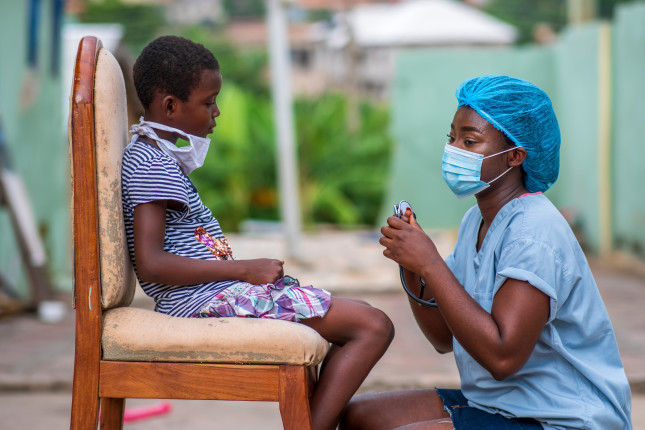
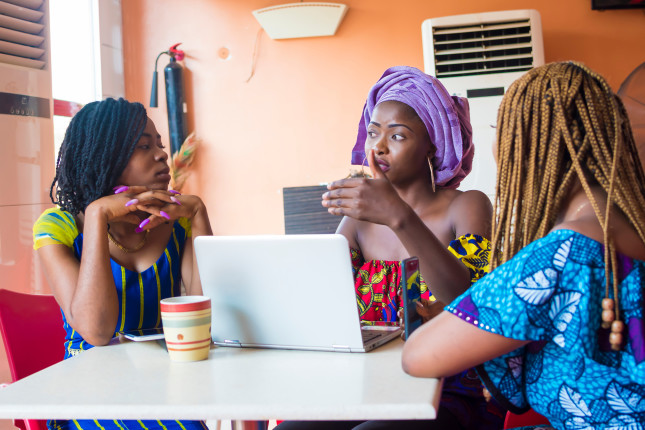
 The decision to have a child usually requires a feeling of stability and confidence in the future, says Natascha Braumann, Director of Global Government and Public Affairs for Fertility at EMD Serono, on this week’s episode of Friday Podcasts. But with COVID-19, especially in the first months of the pandemic, there was no feeling of stability. “No one knew what was going to happen.”