-
Chris Berdnik, Pulitzer Center on Crisis Reporting
Density Breeds Scarcity on Cambodia’s Lake Tonle Sap
›March 10, 2014 // By Wilson Center Staff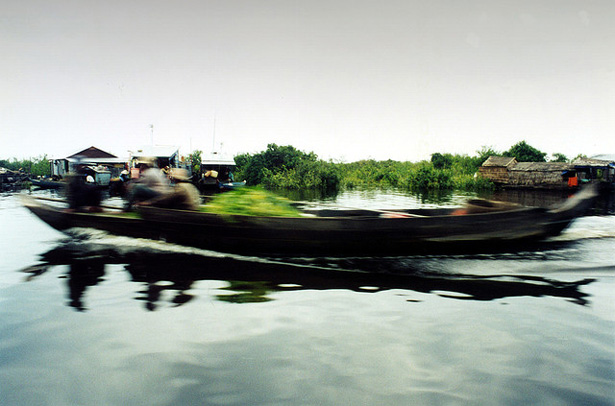
The original version of this article, by Chris Berdnik, appeared on the Pulitzer Center on Crisis Reporting.
I meet Keo Mao, 42, in the floating fishing village of Akol on Cambodia’s Lake Tonle Sap. The houses here move seasonally with the lake, which expands by a factor of five during the monsoon rains and recedes again in the dry months. Fish supply about 80 percent of the animal protein eaten by Cambodians, and about 60 percent of the inland catch comes from the Tonle Sap.
-
From Victoria to Chilwa: Integrated Development in Two African Lake Basins
›
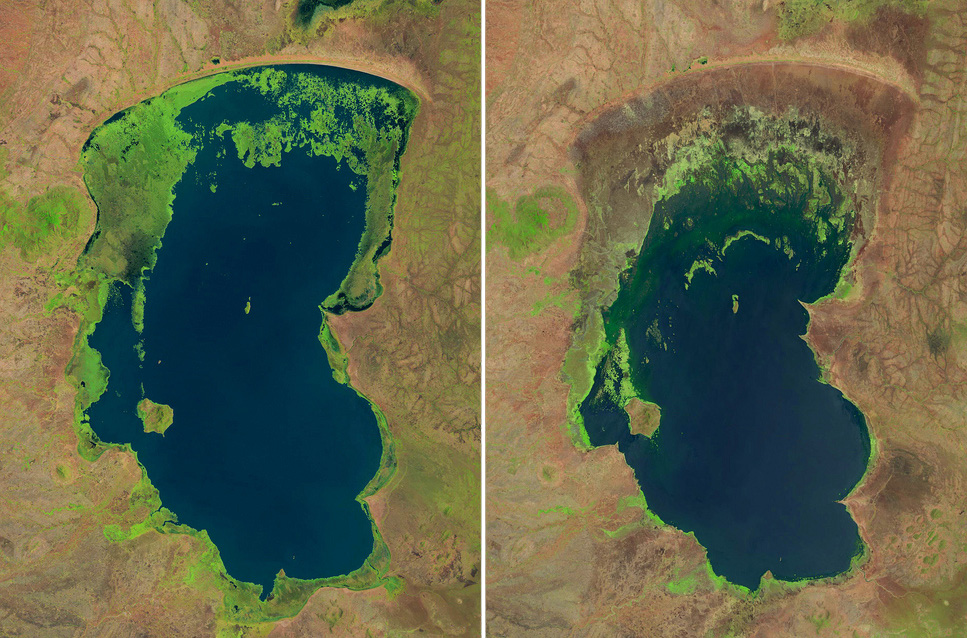
In Lake Victoria and Lake Chilwa basins, interconnected development challenges defy sectoral boundaries, said experts at the Wilson Center on February 10. According to Deepa Pullanikkatil of Leadership for Environment and Development and Doreen Othero of the Lake Victoria Basin Commission, growing populations, shrinking resource bases, and persistent human health concerns demonstrate the need for integrated development approaches that combine population, health, and environmental (PHE) interventions. “We need different sectors working together to achieve the greater goal,” said Pullanikkatil. [Video Below]
-
Kaja Jurczynska, All Access
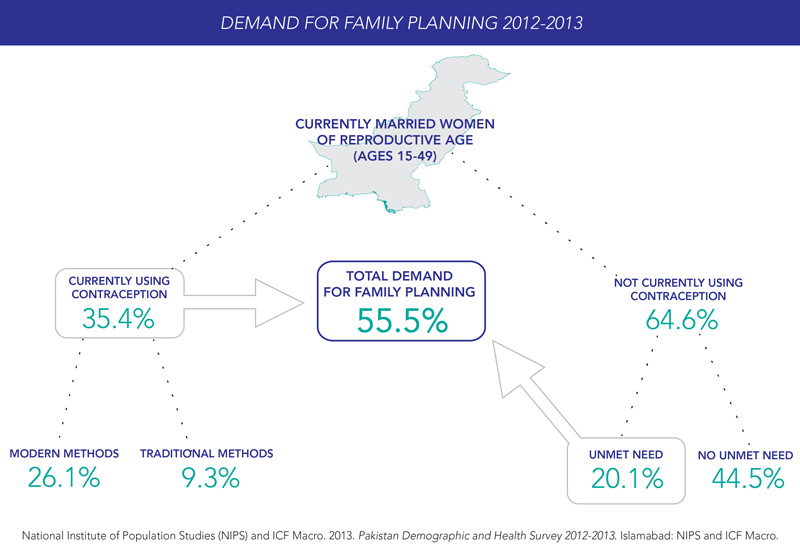
Pakistan Needs to Empower Women to Boost Its Economy
›February 26, 2014 // By Wilson Center StaffThe original version of this article, by Kaja Jurczynska, appeared on Population Action International’s All Access blog.
Pakistan is at a crossroads, and not for the reasons you might think.
-
After Chance Meeting, New Population, Health, and Environment Program Is Born in Madagascar
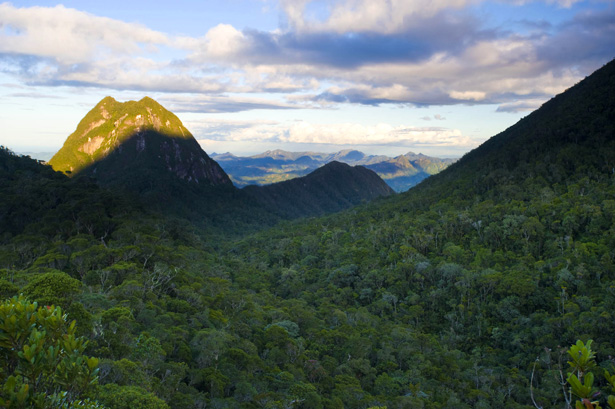
›Against the stunning backdrop of Marojejy National Park, I recently crossed paths with a conservationist from a very different background, working on the opposite side of Madagascar. But, it turns out, the communities we work with face many of the same challenges, and our meeting spawned a new population, health, and environment (PHE) program.
-
Bouncing Forward: Why “Resilience” Is Important and Needs a Definition
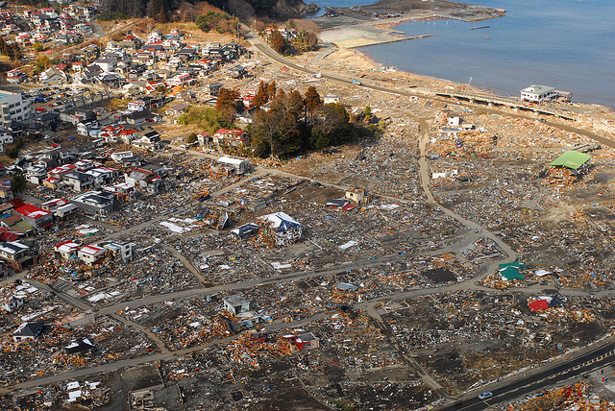
›As policymakers respond to the threat of climate and environmental change, the concept of resilience has found itself at the center of discussion. Few scientists and policymakers, however, can come to a consensus on how to define, evaluate, and build resilience.
-
Basket Case No More? Bangladesh’s Successes Portend Resilience in Face of Change
›This past December, Bangladesh turned 42, bringing the country Henry Kissinger once predicted would become a “basket case” into comfortable middle age (though perhaps this analogy breaks down for countries like Switzerland, age 722).
-
Geoff Dabelko, Ensia
The Periphery Isn’t Peripheral: Barriers to Cross-Sectoral Collaboration in Development
›February 14, 2014 // By Wilson Center StaffWhat do melting Himalayan glaciers have to do with food security in Cambodia? Not much, thought an aid practitioner trying to boost food security along the lower reaches of the Mekong River – until she heard a colleague working on the Tibetan Plateau describe the downstream implications of climate change in the Himalayas. Everything she was working on, she suddenly realized, could be literally washed away.
-
Andrew Revkin: Local Population Dynamics Crucial to Understanding Climate Vulnerability
›February 10, 2014 // By Schuyler Null“What’s become clear to me on population is that it’s really a local issue,” said Andrew Revkin in an interview at the Wilson Center. “You get the impression, ‘Oh didn’t we solve that problem?’” And to some extent, demographic shifts around the world are largely heading in the direction people anticipated, with a leveling off mid-century. But “no one really knows what happens then,” he said. “All it takes is a tiny diversion of fertility rates and things could really grow or shrink.”
Showing posts from category population.