-
Gates Letter: Laissez Faire Approach to Population and Development Unacceptable
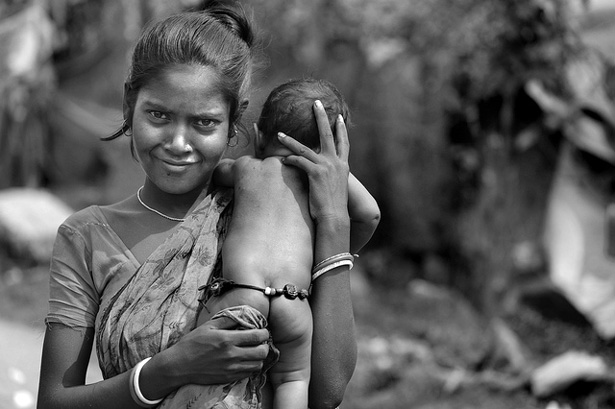
›Family planning, which saw a relative decline in financial support from the international development community over the last two decades, is now back in vogue, thanks in large part to the Bill and Melinda Gates Foundation. After spearheading the London Summit on Family Planning in 2012 alongside many governments, the foundation’s recently released 2014 Annual Letter sets out to dispel three “myths” about development, one of which is “saving lives leads to overpopulation.”
-
A. Tianna Scozzaro, Population Action International
Population Dynamics Are Crucial to Sustainable Development – So Why Isn’t Anyone Talking About Them?
›January 29, 2014 // By Wilson Center Staff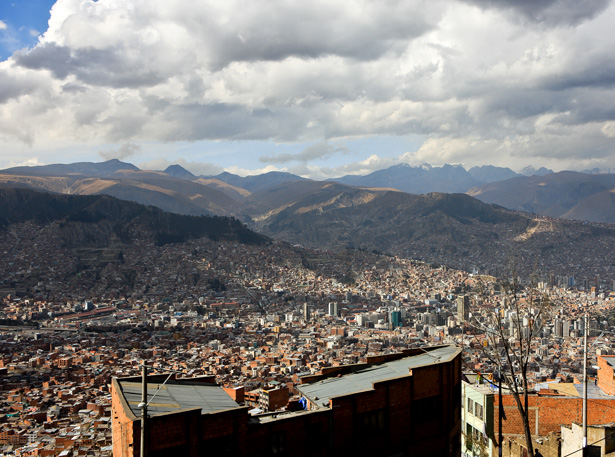
The original version of this article, by A. Tianna Scozzaro, appeared on Population Action International’s All Access blog.
For the past 11 months, a group of United Nations member states has been holding meetings seeking input on future goals for sustainable development once the Millennium Development Goals (MDGs) expire in 2015. Led by co-chair ambassadors from Hungary and Kenya, this Open Working Group of 69 countries has delved into topics ranging from governance to health and everything in between.
-
Ready for Change: Notre Dame Launches the Global Adaptation Index
›
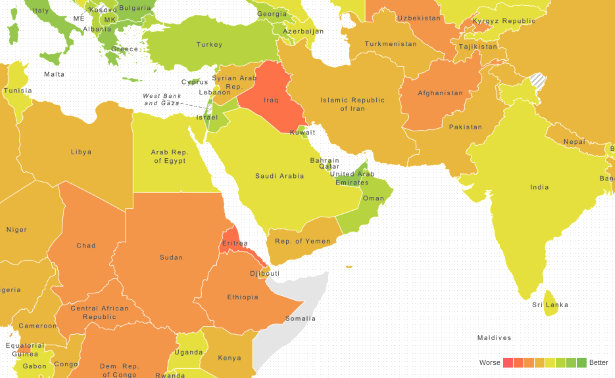
In 2008 and 2010, the price of many basic food stuffs soared, sparking a series of riots and food crises around the world. People in the poorest countries – those living with the smallest margins – were most affected, while the economies of developed nations were able to absorb the price changes. According to Notre Dame’s Global Adaptation Index, how climate change will impact different countries depends not only on their vulnerability to physical changes, but also their ability to absorb these impacts. [Video Below]
-
“What I See Is That Women Are Healthier…Children Are Healthier”: Vik Mohan on Blue Ventures’ Work in Madagascar
›Six years after beginning a marine conservation program focused on octopus fishery management in southwest Madagascar, “we can proudly say that we have made a real impact as an organization providing health care,” said Dr. Vik Mohan, medical director of Blue Ventures and a practicing doctor in the United Kingdom.
-
Talking Science: Climate Change and Health Communications in a Skeptical Era
›Communicating complex scientific concepts to general audiences is difficult given today’s information overload. Capturing the attention of time-pressed policymakers long enough to explain multifaceted issues like climate change and global health is an even greater challenge. The Environmental Communications Division of the National Communication Association co-sponsored two panels at the Wilson Center on November 22 featuring communication directors and professors of communications to explore this issue. [Video Below]
-
Our Last Best Hope? Family Planning and Women’s Empowerment
›January 7, 2014 // By Laurie MazurThe original version of this article appeared on the Aspen Institute blog.
When journalist Alan Weisman proposed a new book on the challenges posed by human population growth, his editor said, “That one’s a live wire; don’t touch it.”
-
The Year That Resilience Gets Real
›2014 promises to be a superlative year – and that’s not necessarily a good thing. Complex, “super” disasters like Super Typhoon Haiyan are becoming more frequent, more systemic, and more destructive. Global trends, from population dynamics to food, water, and energy scarcities, threaten to further complicate the playing field. But by finally getting serious about resilience – the much discussed buzzword of 2013 – we might reduce our vulnerability, restore our communities, and build back better, rather than just picking up the pieces.
-
Facing the Challenge of Adolescent Pregnancy: ‘State of the World Population 2013’ Launch
›Twenty thousand girls under the age of 18 give birth every day, and 90 percent of these births occur within the context of marriage, according to the UN Population Fund’s latest State of the World Population report. This year’s edition, launched at the Wilson Center on October 30, focuses on adolescent pregnancy and finding ways to better protect this vulnerable group of young women.
Showing posts from category population.