-
In Tanzania, Empowering Communities to Address Population, Health, and Environment Issues Together
›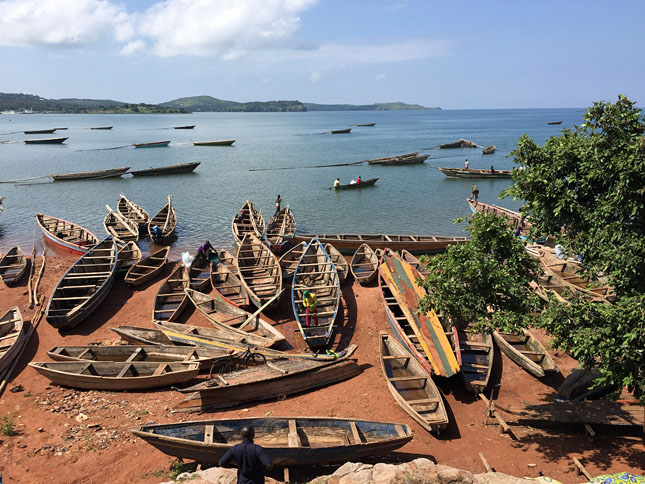
Africa has its share of challenges, but it also leads the way in creative development responses. Take the Lake Tanganyika area in Tanzania. Daily life is hard. There are few roads. Cellphone service is patchy. You must travel by boat for seven hours to reach the nearest hospital. And if you have an obstetric emergency, there is no doctor in the village to help you.
-
Call for Papers: Reducing Urban Poverty 2016 Graduate Student Paper Competition
›
To encourage a new generation of urban policymakers and promote early career research, the Wilson Center, U.S. Agency for International Development, IHC – Global Coalition for Inclusive Housing and Sustainable Cities, World Bank, and Cities Alliance are sponsoring the 7th Annual Urban Poverty Paper Competition. The competition is open to graduate students working on topics related to urban poverty in the developing world.
-
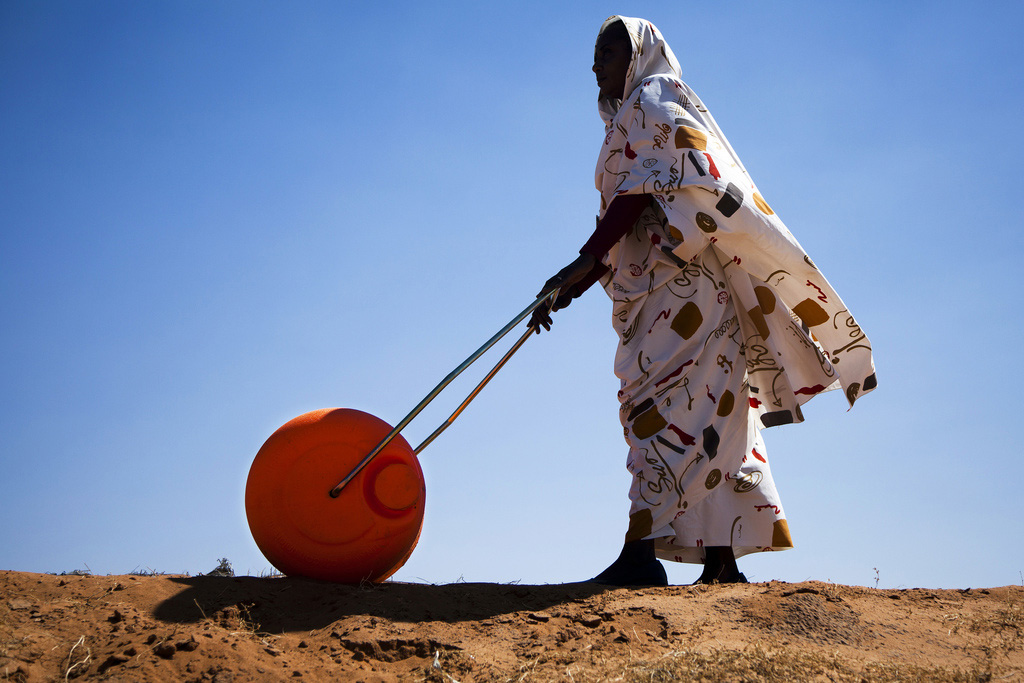
Creating a Water Ready World
›March 22, 2016 // By Sherri GoodmanSitting at my desk looking at bills to be paid, the first one on the stack is for the water company, emblazoned with the phrase, “Water is Life.” Yes, we all know that. But really, as my teenagers would say, “Duh, Mom. So what?”
Well, here’s the “so what” on this World Water Day 2016.
-
Global Stories From the Nexus of Gender and Climate Change Vulnerability
›March 21, 2016 // By Gracie CookDeveloping countries are in a pitched fight against the effects of climate change, and women, playing prominent roles in agriculture and household resource collection, are “at the front lines in the battle,” writes UN Framework Convention on Climate Change Executive Secretary Christiana Figueres, in a new report.
-
Kabul Greenbelt Project Aims to Restore Some Luster to War-Ravaged Capital – and Resilience Too
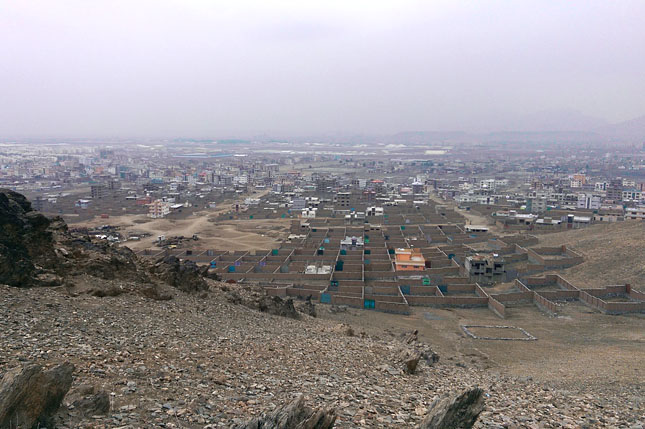
›It’s hard to imagine today, but Kabul was once ringed with grassy areas and shrubs, a few trees in areas too. Some of my husband’s favorite recollections of early 1970s Afghanistan are of simple family picnics in picturesque parks. Hours of lounging, grilling kebab, preparing rice, and conversing were a respite from the oppressive heat of the capital. Sometimes a picnic would become an all-night, extended family gathering. The Gardens of Paghman were a favorite destination with rows of pine trees, roses, and cool fountains. Pre-war family photos reveal neatly trimmed trees, bushes, and ample grassy areas for impromptu games. The family picnic is still popular among the Afghan diaspora. In the United States, Afghan community events are often held in parks, and involve large, multi-family picnics.
-
India’s Young and Restless
›March 14, 2016 // By Michael KugelmanWhen we think about countries on the Indian subcontinent with destabilizing demographics, Pakistan comes to mind immediately. First, it’s a country with a very young population. Almost two thirds of its nearly 200 million people are under 25, and the median age is about 22. Second, this youth cohort is highly susceptible to radicalization. Nearly every terrorist attack in Pakistan since 9/11 has been perpetrated by someone under 30. In recent years, the Wilson Center has focused on Pakistan’s youth demographic challenges in detail. India, however, needs to be included in this conversation as well.
-
Parfait Eloundou-Enyegue on Re-Conceptualizing Education to Help Developing Countries Create Jobs
›“There is more to education than the picture that you typically see in most reports,” says Parfait Eloundou-Enyegue, professor of development sociology at Cornell University, in this week’s podcast. “And this picture comes from looking at education not as an outcome but as an institution.” -
1.3 Meters of Sea-Level Rise By 2100, and the Effects of Belo Monte’s Forced Displacement
›A study published by the Proceedings of the National Academy of Sciences projects future sea-level rise with a new model, providing crucial information for coastal planning and further impetus to cut carbon emissions. Sifting through data on thermal expansion and retreating glaciers, the two leading causes of sea-level rise in the past century, the authors confirm that sea level is rising at an unprecedented rate.
Showing posts from category population.

 “There is more to education than the picture that you typically see in most reports,” says Parfait Eloundou-Enyegue, professor of development sociology at Cornell University, in this week’s podcast. “And this picture comes from looking at education not as an outcome but as an institution.”