• woodrow wilson center
  • ecsp

New Security Beat

Subscribe:
  • rss
  • mail-to
  • Who We Are
  • Topics
    • Population
    • Environment
    • Security
    • Health
    • Development
  • Columns
    • China Environment Forum
    • Choke Point
    • Dot-Mom
    • Friday Podcasts
    • Navigating the Poles
    • Reading Radar
  • Multimedia
    • Water Stories (Podcast Series)
    • Backdraft (Podcast Series)
    • Tracking the Energy Titans (Interactive)
  • Films
    • Water, Conflict, and Peacebuilding (Animated Short)
    • Paving the Way (Ethiopia)
    • Broken Landscape (India)
    • Scaling the Mountain (Nepal)
    • Healthy People, Healthy Environment (Tanzania)
  • Publications
  • Events
  • Contact Us

NewSecurityBeat

The blog of the Wilson Center's Environmental Change and Security Program
Showing posts from category population.
  • Food Security Goals Linked to Expanding Access to Family Planning, Says PRB Report

    ›
    Eye On  //  October 7, 2015  //  By Deepshri Mathur

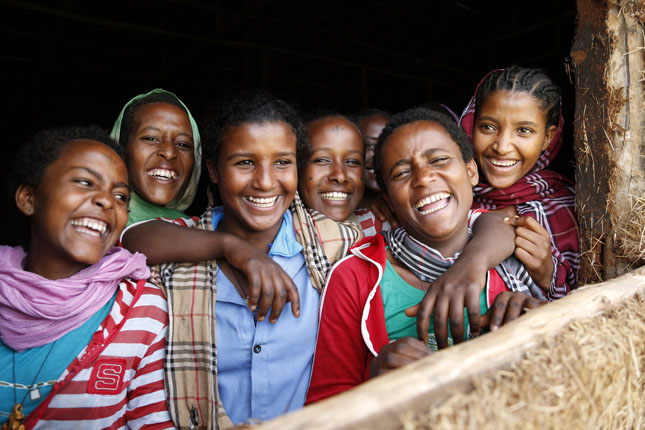
    Food security and proper nutrition are essential elements for the good health and wellbeing of individuals and communities. Proper nutrition increases productivity and subsequently helps lift families out of poverty. However, an estimated 800 million people are chronically malnourished across the world. Globally, more than 3 million children die each year due to illnesses caused by malnutrition.

    MORE
  • From Gaza to the Euphrates, Alarm Bells for Mideast Water Resources

    ›
    Reading Radar  //  September 22, 2015  //  By Schuyler Null

    UNCTADThe board of the United Nations’ lead organization on trade and development, called UNCTAD, released an assessment of Gaza’s development challenges during their annual meeting in Geneva this month and the news is not good. In 2012, the UN warned that a “herculean” development effort would be to keep pace with Gaza’s rapid population growth. Since then, more fighting with Israel has made things worse, particularly with regard to water and food security. Ninety-five percent of the water from Gaza’s coastal aquifer is unsafe for drinking without treatment, the report says. Contamination and over-extraction may even render it unusable by next year and damage may be irreversible if not addressed in the next five years.

    MORE
  • Pakistan’s Maternal and Child Health Problems “Huge Stumbling Block” to Development, Long-Term Security

    ›
    Dot-Mom  //  From the Wilson Center  //  September 21, 2015  //  By Schuyler Null

    In the long term, improving maternal and child health is as critical to national security as any problem in Pakistan today, said a panel of experts including Minister of National Health Services Saira Afzal Tarar at the Wilson Center on September 9.

    MORE
  • Sam Eaton, PRI’s The World

    Human Traffickers Follow Floods in India, But Local Girls Are Fighting Back

    ›
    September 17, 2015  //  By Wilson Center Staff

    The original version of this article, by Sam Eaton, appeared on PRI’s The World.

    The Sundarbans – a collection of densely populated islands in India’s sprawling Ganges Delta – are so remote that the only way to get there is by boat. But human traffickers still manage to get in, and that’s left many families with missing daughters.

    MORE
  • Beginning With the End in Mind: Midterm Results From an Integrated Development Project in Lake Victoria Basin

    ›
    Guest Contributor  //  September 8, 2015  //  By Sarah Mehta, Cara Honzak & Cheryl Margoluis
    Fausta-working-in-nursery-o

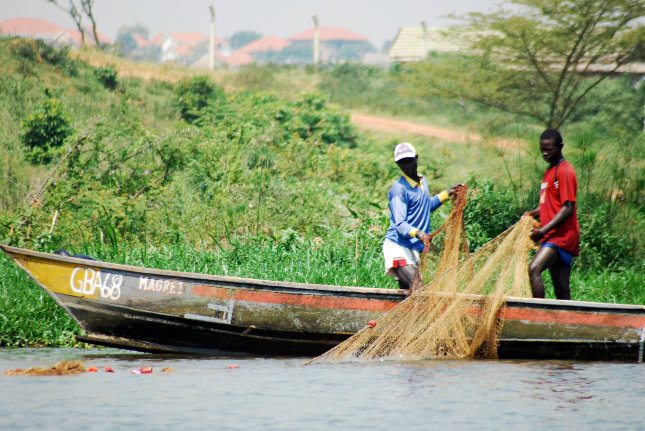
    More than 80 percent of the estimated 42 million people living in Central Africa’s Lake Victoria Basin depend on fishing or farming for survival. Given this overwhelming reliance on natural resources, the lake’s deteriorating condition – driven by climate change, agriculture, pollution, deforestation, overfishing, and industrialization – has far-reaching implications.

    MORE
  • Jim Jarvie, SciDevNet

    Urban Resilience to Climate Change in Asia Critical as Strong El Niño Looms

    ›
    September 7, 2015  //  By Wilson Center Staff
    Tacloban

    The original version of this article, by Jim Jarvie, appeared on SciDevNet.

    An advisory released this August by the U.S. National Weather Service warned this year’s El Niño could be among the strongest ever recorded, lasting well into the first few months of 2016.

    MORE
  • Despite Massive Conservation, Recycling, Imports, Shenzhen Faces Water Shortages

    ›
    China Environment Forum  //  Choke Point  //  September 2, 2015  //  By Coco Liu
    Shenzhen-canal-at-sunset

    As part of the Wilson Center and Circle of Blue’s Global Choke Point project, Choke Point: Port Cities will examine how Oakland, California, and Shenzhen, Guangdong Province, are responding to interlinked water, energy, and pollution challenges. These multimedia reports are meant to inform exchanges and convenings in 2016 to share among leaders of both cities and others like them around the Pacific Rim.

    Shenzhen sits in subtropical south China, where four-fifths of the country’s water resources flow. The monsoon brings heavy rains from April to September; at its peak, Shenzhen’s more than 7 million residents see pouring rain almost every day. So why is this city facing a serious water shortage?

    MORE
  • Violence Over Land in Darfur Demands We Look Again at Links Between Natural Resources and Conflict

    ›
    Guest Contributor  //  August 24, 2015  //  By Brendan Bromwich
    Peacekeeping - UNMIS

    Given that there have been three major peace processes in Sudan’s troubled western province of Darfur, the current escalation of violence indicates that perhaps something about existing approaches is failing to hit the mark. Identifying what is missing is vital – not just for Darfur, but for other areas with similar challenges of state fragility, poverty, and competition over natural resources.

    MORE
Newer Posts   Older Posts
View full site

Join the Conversation

  • RSS
  • subscribe
  • facebook
  • G+
  • twitter
  • iTunes
  • podomatic
  • youtube
Tweets by NewSecurityBeat

Trending Stories

  • unfccclogo1
  • Pop at COP: Population and Family Planning at the UN Climate Negotiations

Featured Media

Backdraft Podcast

play Backdraft
Podcasts

More »

What You're Saying

  • Volunteers,At,The,Lagos,Food,Bank,Initiative,Outreach,To,Ikotun, Pan-African Response to COVID-19: New Forms of Environmental Peacebuilding Emerge
    Rashida Salifu: Great piece 👍🏾 Africa as a continent has suffered this unfortunate pandemic.But it has also...
  • A desert road near Kuqa An Unholy Trinity: Xinjiang’s Unhealthy Relationship With Coal, Water, and the Quest for Development
    Ismail: It is more historically accurate to refer to Xinjiang as East Turkistan.
  • shutterstock_1779654803 Leverage COVID-19 Data Collection Networks for Environmental Peacebuilding
    Carsten Pran: Thanks for reading! It will be interesting to see how society adapts to droves of new information in...

What We’re Reading

  • Rising rates of food instability in Latin America threaten women and Venezuelan migrants
  • Treetop sensors help Indonesia eavesdrop on forests to cut logging
  • 'Seat at the table': Women's land rights seen as key to climate fight
  • A Surprise in Africa: Air Pollution Falls as Economies Rise
  • Himalayan glacier disaster highlights climate change risks
More »
  • woodrow
  • ecsp
  • RSS Feed
  • YouTube
  • Twitter
  • Facebook
  • Home
  • Who We Are
  • Publications
  • Events
  • Wilson Center
  • Contact Us
  • Print Friendly Page

© Copyright 2007-2021. Environmental Change and Security Program.

Woodrow Wilson International Center for Scholars. All rights reserved.

Developed by Vico Rock Media

Environmental Change and Security Program

Woodrow Wilson International Center for Scholars

Ronald Reagan Building and International Trade Center

  • One Woodrow Wilson Plaza
  • 1300 Pennsylvania Ave., NW
  • Washington, DC 20004-3027

T 202-691-4000