-
Maternal and Fetal Health Implications of Zika in the United States
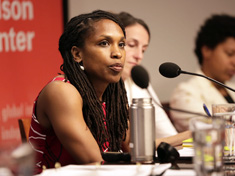
›Maternal and fetal health is at the forefront of concerns about the spread of Zika. The fetal brain defects known to be linked to the virus are devastating – and may only be the tip of the iceberg in terms of the virus’s impact, according to a panel of high level U.S. government officials speaking at the Wilson Center on May 24.
-
HoPE for Sustainable Development: Results From an Integrated Approach in East Africa
›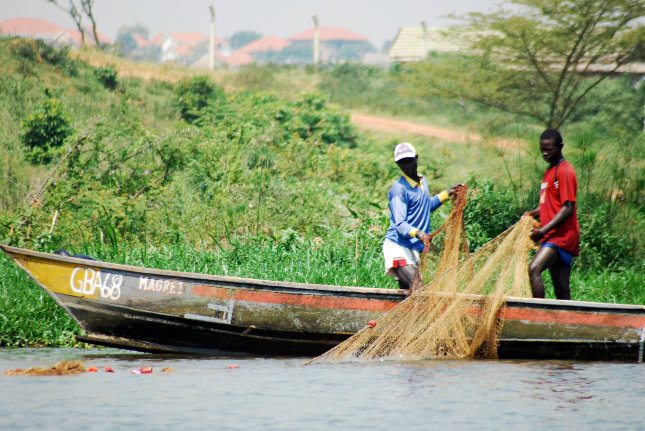
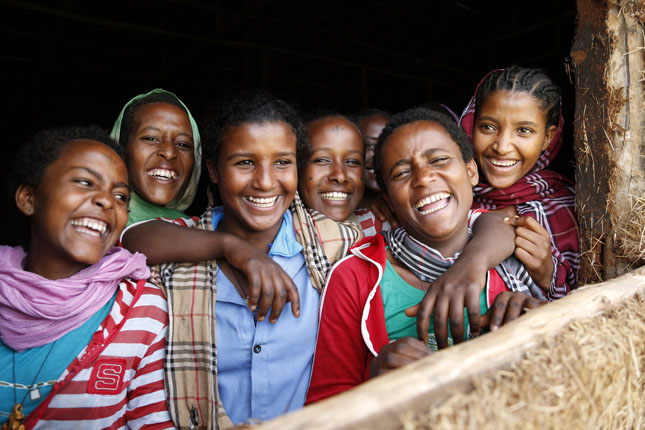
The Sustainable Development Goals (SDGs) are an ambitious framework for reducing poverty and improving the lives of billions of people. They were agreed to last year by governments at the United Nations and cover developing and developed countries alike. But how will governments, NGOs, and other organizations go about actually accomplishing them over the next 15 years? [Video Below]
-
Maxine Burkett on Why “Climate Refugees” Is Incorrect – and Why It Matters
›
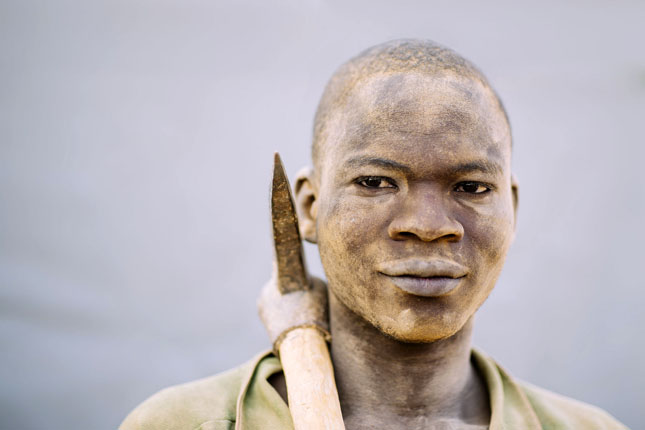
More and more we are hearing stories about “climate refugees.” U.S. Interior Secretary Sally Jewell used the term to describe the Biloxi-Chitimacha-Choctaw tribe, a community which this year became the first to receive federal funding to relocate in its entirety from their sinking island home on the Louisiana coast.
-
History’s Largest Generation Isn’t Getting the Health Care It Needs to Thrive
›At 1.8 billion strong, the current generation of 10 to 24 year olds is the largest in human history. Approximately 90 percent of these adolescents live in less developed countries. This poses an unprecedented challenge for health systems and social policies which largely struggle to meet the unique needs of young people, according to a new Lancet commission.
-
Africa Has the Demography for Dividends, But Will it Get the Policy Right?
›In recent years, the demographic dividend has garnered enormous traction in African policy circles, and leaders and policymakers have begun to see it as a strategy for achieving their economic growth targets.
-
What Makes Agriculture Vulnerable to Climate Change, and the Mortality Effects of Fruit and Vegetable Scarcity
›Gains in food production and increased awareness of global food security are threatened by looming losses due to climate change, according to a study published in The Lancet. Marco Springmann et al. calculate that climate change will lead to a 3.2 percent reduction in global food availability per person by 2050, driven by changes in weather patterns, increasing frequency of extreme weather, and potential social disruptions to food production like disease and conflict. -
In Sustainable Development and Conflict Resolution, Women Seeing Larger Roles
›It used to be a luxury to talk about the environment when you were addressing conflict. Today, “we recognize it’s not a luxury anymore,” said Liz Hume, senior director for programs at the Alliance for Peacebuilding, at the Wilson Center on April 29. Similarly, gender dynamics are now being recognized as playing a critical role in sustainable development and peacebuilding. [Video Below]
-
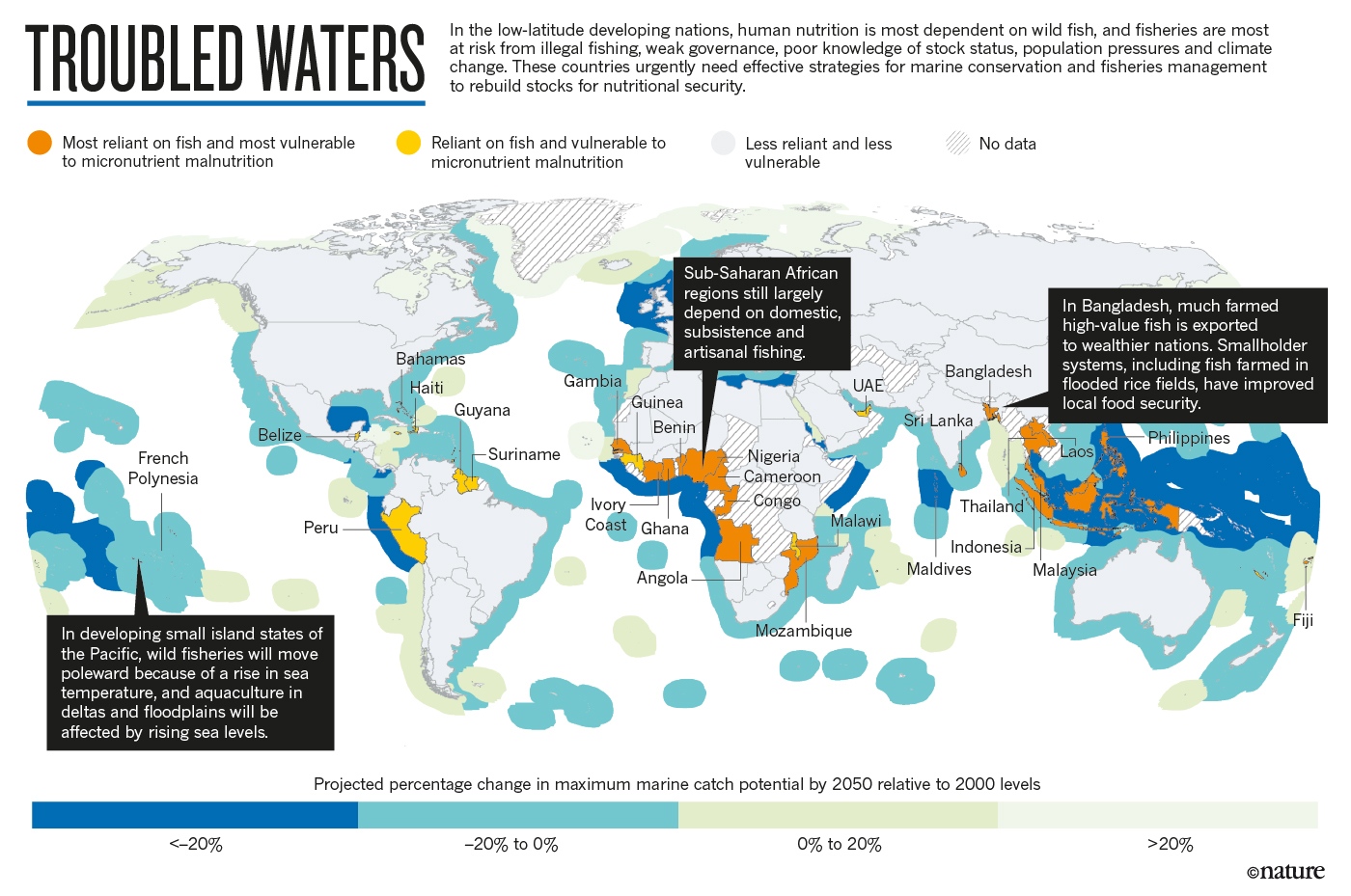
Christopher Golden et al., Nature
Declining Fisheries Threaten Micronutrient Deficiencies for Millions
›June 17, 2016 // By Wilson Center StaffHow will the 10 billion people expected to be living on Earth by 2050 obtain sufficient and nutritious food? This is one of the greatest challenges humanity faces. Global food systems must supply enough calories and protein for a growing human population and provide important micronutrients such as iron, zinc, omega-3 fatty acids, and vitamins.
Showing posts from category population.