-
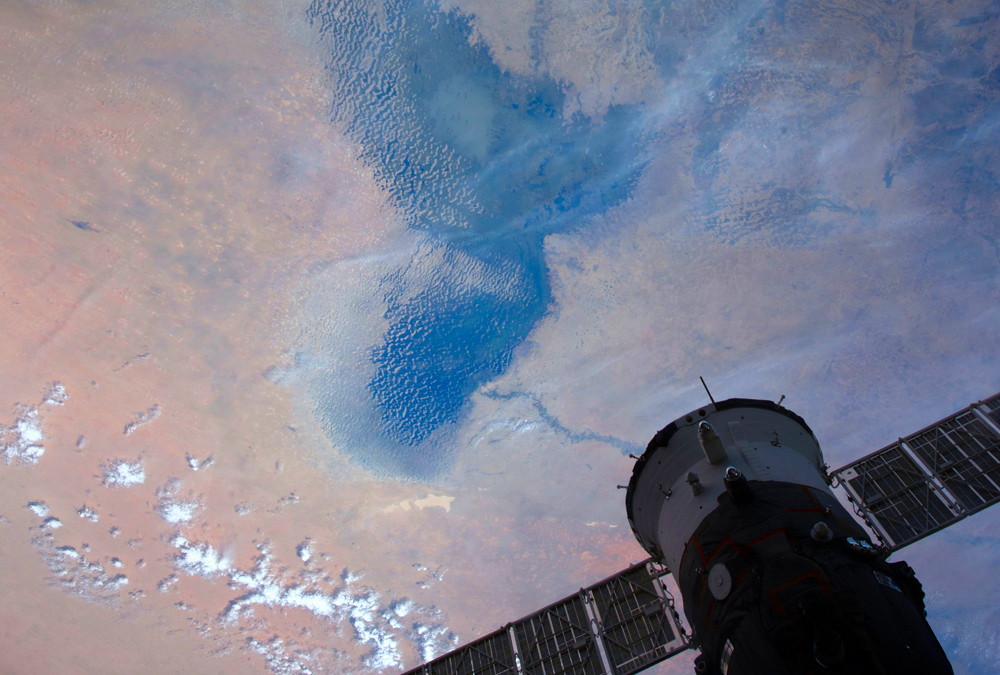
Christophe Angely on Overcoming Pessimism for the Sahel
› The Sahel region of Africa is a wide band that marks the transition from the Sahara Desert in the north to the wetter, sub-tropical regions in the south. The Sahelian countries have some of the most rapidly growing populations in the world and have faced significant environmental change over the past century. In recent years, insurgencies have surged in several countries, new terrorist groups have become active, there have been several droughts, and migration has increased.
 -
The Right to Life and Water: Drought and Turmoil for Coke and Pepsi in Tamil Nadu
›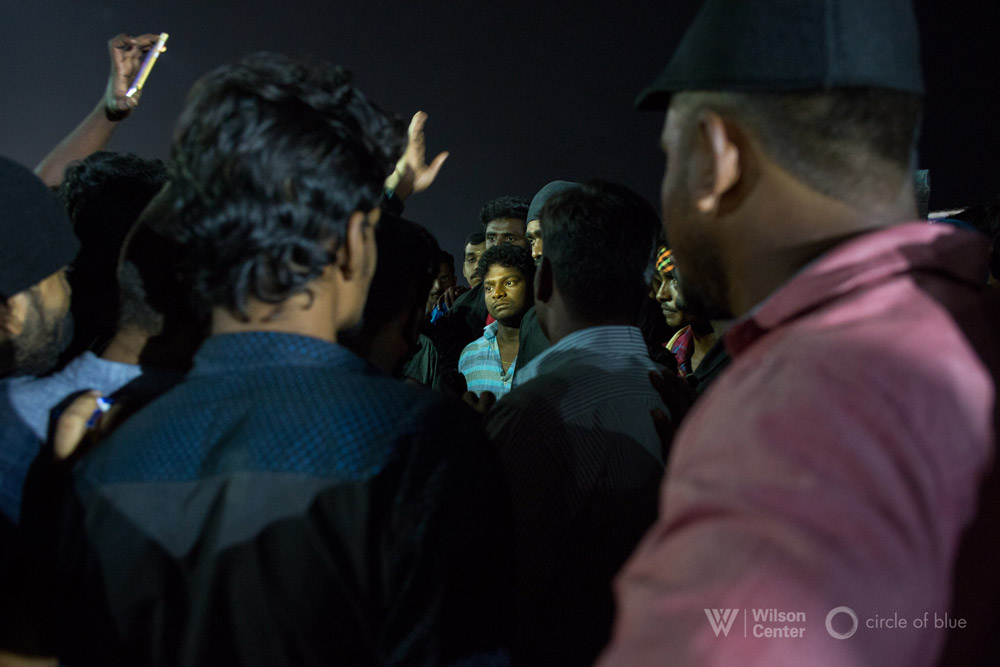
TIRUNELVELI, India – Just after dusk on a warm mid-January evening, attorney DA Prabakar greeted several visitors on the dimly lit street in front of his home here in southern India. The air was desert-dry and dusty in this rain-scarce river city.
-
Climate-Induced Migration in the Philippines, and Mercy Corps’ Resilience Work in Ethiopia
›Recent rises in temperature and typhoon frequency and intensity have resulted in more internal migration in the Philippines, according to an article by Pratikshya Bohra-Mishra et al. in Population and Environment. The authors conclude that temperature change and natural disasters, such as typhoons, can have a significant effect on short-distance, sub-national migration because they reduce rice yields, which is used as a proxy for agricultural productivity. -
What’s in a Label? Lessons on Advancing Global Health Goals From Corporate Green Standards
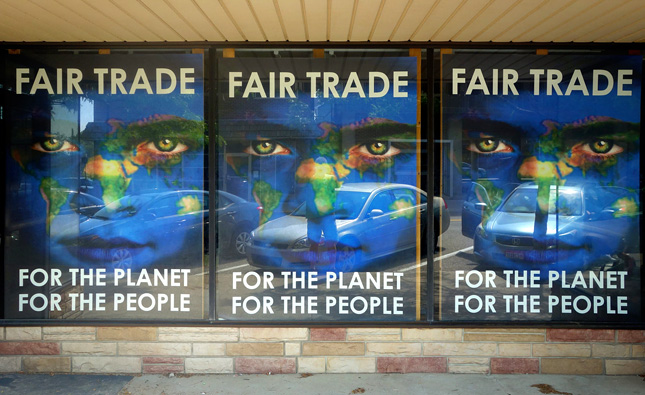
›As you walk through the supermarket, you’ve probably noticed labels like “Rainforest Alliance Certified,” “Fair Trade,” or “Green Seal.” These certifications were created to help consumers use their purchasing power to reward companies that treat workers fairly and limit their harm to the environment. What’s missing is health, particularly women’s health. Too often these standards focus narrowly on occupational safety rather than addressing broader, but relevant, health needs of workers.
-
A Better Model for Future Society, and Analyzing Communal Climate Conflict
›Forecasts of future climate conditions are fairly good, but forecasts of future socioeconomic conditions are another story. To get a sense of how climate change will impact society, many resort to simply layering future climate conditions on top of current socioeconomic conditions. That’s a mistake, write Wolfgang Lutz and Raya Muttarak in Nature Climate Change. “We see little value in the purely hypothetical exercise of assessing potential impacts of the future climate on a society that will not exist in the future.” -
Breaking Down Water Security to Build it Up
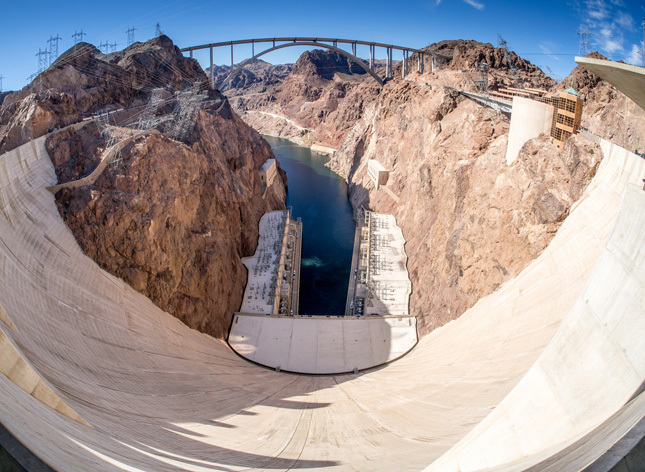
›Water security remains an ambiguous concept with an uncharted path to achievement. Water is an essential resource to our survival and livelihoods, yet most countries lack a clear strategy for how to protect and manage it. With increasing rates and sources of consumption, a growing population, and shifting frequency and intensity of rates of precipitation, continued inaction will have serious impacts on our national security, economy, and environment.
-
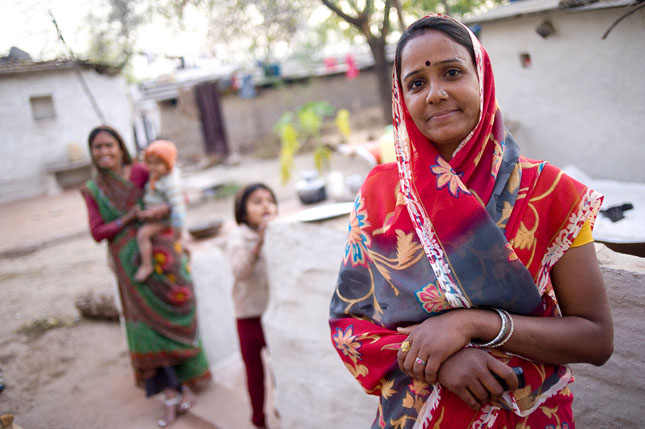
For India, Achieving the Next Generation of Maternal Health Goals Requires New Approaches
›Achieving the next generation of maternal health goals in India, which accounts for almost 15 percent of maternal deaths around the world each year, will require innovative new approaches to stubborn problems.
-
Advancing U.S. Prosperity and Security in a Thirsty World
›The waters of Lake Chad sustain 70 million people in four countries. Beginning in the 1970s, the 25,000-square-kilometer lake began shrinking due to excessive drawdown for agriculture and mining. Now only 10 percent remains. The dwindling water supply devastated food production and fostered massive economic and political tensions. Many experts credit the worsening conditions for contributing to the rise of Boko Haram, an extremist group that has killed 20,000 people and forced 2.3 million more to flee.
Showing posts from category population.
 The Sahel region of Africa is a wide band that marks the transition from the Sahara Desert in the north to the wetter, sub-tropical regions in the south. The Sahelian countries have some of the most rapidly growing populations in the world and have faced