-
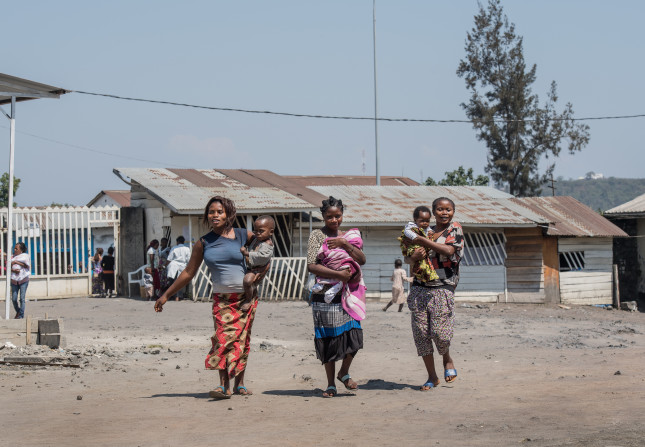
Investing in Women’s Empowerment Essential to Achieving Peace, Security in Africa
›Africa in Transition // From the Wilson Center // November 14, 2019 // By Brigitte Hugh & Deekshita Ramanarayanan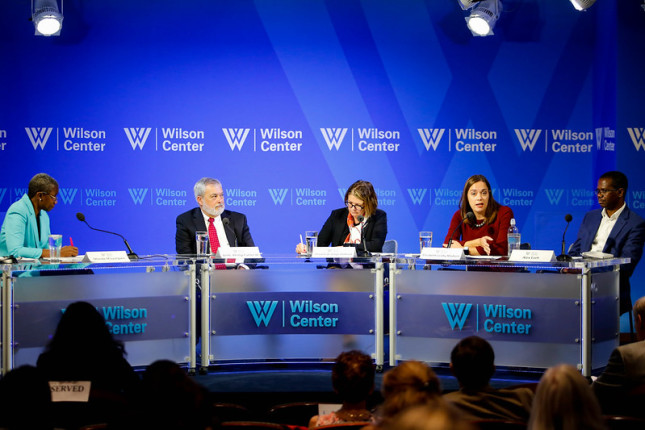
A country can achieve sustainable peace and security only if women are included, said Monde Muyangwa, Director of the Wilson Center’s Africa Program at a recent Wilson Center event on the role of women in promoting peace and security in Africa. “And I would argue that part of the challenges that we face on the African continent, the insecurity that we face in parts of the African continent,” she said, “is precisely because not all segments of society are included.”
-
What Changes When We See Women
› To commemorate the 25th anniversary of the Wilson Center’s Environmental Change and Security Program, I have a prediction: by ECSP’s 50th anniversary, the idea that one could discuss national and international security without examining the situation, status, and security of women will be seen as laughably naïve. Over the next twenty-five years, I predict that every “Intro to International Relations” and “Intro to National Security” class (and every QDR and QDDR) will begin by examining the critical linkage between what is going on with women and what is going on with nation-states.
 -
Family Planning in Humanitarian Settings is Achievable and Effective
›“Family planning saves lives, even in times of crisis,” said Gwen K. Young, Managing Director at the Global Emergency Response Coalition at a Wilson Center event on October 8 on the importance of providing family planning and reproductive health services in humanitarian settings. Speakers from Save the Children, CARE, the International Rescue Committee, and FP2020 spoke to programmatic successes, innovative solutions, and local partnerships in fragile settings. Young highlighted that 1 in 70 people worldwide need humanitarian assistance and a quarter of these are women and girls of reproductive age. All told, more than 30 million women and girls in 42 countries.
-
Climate Change Will Likely Influence Fertility Rates
›Many of climate change’s demographic impacts—including those on migration, health, and mortality—are well known. But will climate change also affect population growth? So far, relatively little is known about whether and how the reproductive goals and behaviors of women and their partners may be influenced by a changing climate. However, a number of recent empirical studies offer evidence of such effects, underscoring the multidimensional ways that households modify their structure and activities in response to changing environmental conditions. The effects also highlight the complex and interactive linkages between population growth rates and climate change.
-
Untapped Opportunities? The Need to Integrate Young Women in Water Management
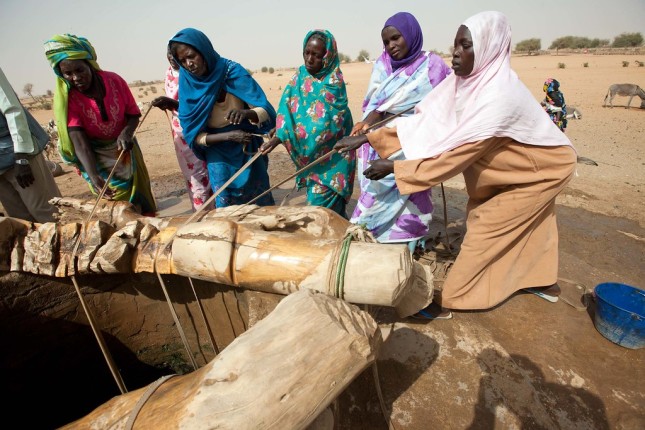
›Water security is a pervasive climate issue and one that has increasingly been viewed as a gendered issue. Worldwide, women and girls spend 200 million hours collecting water every day. While doing so, they place themselves at increased risk of assault and become more likely to develop medical issues related to physical labor. They also pay an opportunity cost, as this time could be better spent in school or performing other productive tasks.
-
Removing Barriers to Family Planning Essential for Conservation, Groups Agree
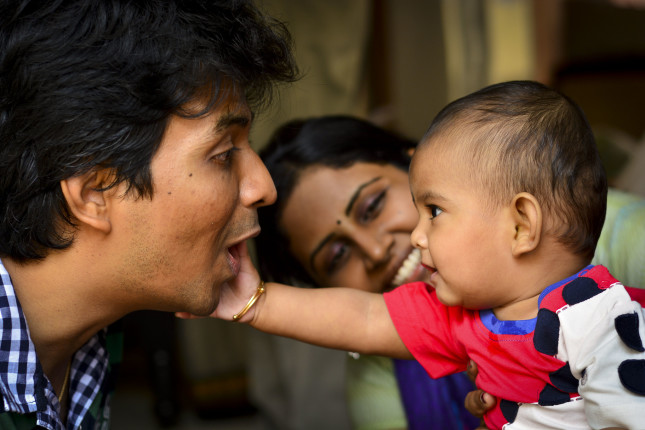
›The voluntary use of family planning, among its many benefits, is good for sustaining the healthy ecosystems that support all wild plant and animal species. This should be common sense. If your mission is environmental conservation, you should want to help remove barriers to reproductive health services, so that all women can space wanted pregnancies and avoid unintended ones.
-
The Power of Serial Dramas: Popular Characters Help Change Attitudes and Behaviors
›“We are all convinced that educational entertainment is the way to go now,” said Anselme Muzalia Wimye, Program Quality Director at Search for Common Ground in the Democratic Republic of the Congo (DRC). He spoke at a recent event hosted by the Wilson Center’s Environmental Change and Security Program, Maternal Health Initiative, and The Population Institute. The panel discussed the power of educational entertainment (EE), in particular serial dramas, to precipitate positive behavioral change and public health outcomes in Africa.
-
Want to Ward Off the Apocalypse? Invest in Women’s Health and Rights
›World population continues to grow. The latest UN projections, released this week, indicate that we will add another 2 billion people to the planet by 2050 and 3 billion by the end of the century. While population growth is ebbing in many countries—and even starting to contract in a few—population growth in some countries remains brisk, if not breakneck.
Showing posts from category population.
 To commemorate the 25th anniversary of the Wilson Center’s Environmental Change and Security Program, I have a prediction: by ECSP’s 50th anniversary, the idea that one could discuss national and international security without examining the situation, status, and security of women will be seen as laughably naïve. Over the next twenty-five years, I predict that every “Intro to International Relations” and “Intro to National Security” class (and every QDR and QDDR) will begin by examining the critical linkage between what is going on with women and what is going on with nation-states.