-
ICPD at 25: Unfinished Business Points to Unmet Needs
›
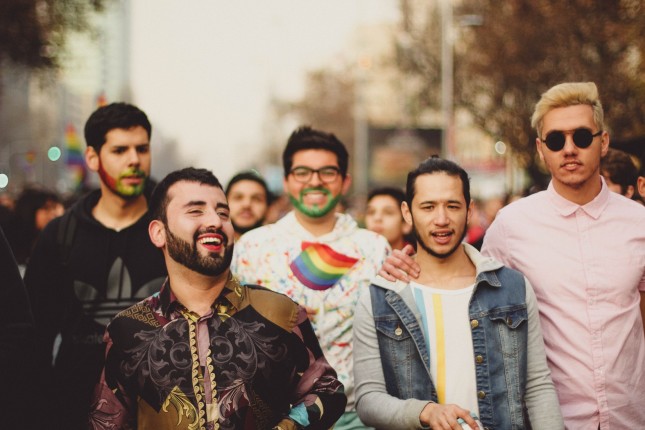
“The ICPD (International Conference on Population and Development) Programme of Action is a promise. A promise that was made 25 years ago to young people, the intention of which was to give young people hope—hope that their rights, their needs, and their demands would be met,” said Kobe Smith, Vice President of the Youth Advocacy Movement at International Planned Parenthood Federation/ Western Hemisphere Region, at a recent Wilson Center event. This year marks the 25th anniversary of ICPD in Cairo.
-
The Care Knot: Untangling Women’s Rights and Responsibilities
›
“We were all working mothers,” writes American journalist Megan Stack in her recent New Yorker piece about raising two children in India. The women who helped shape her thinking and cleared the way for her writing were migrants who left their own children behind to lovingly care for hers. “We spun webs of compromise and sacrifice and cash, and it all revolved around me—my work, my money, my imagined utopias of one-on-one fair trade that were never quite achieved,” she writes.
-
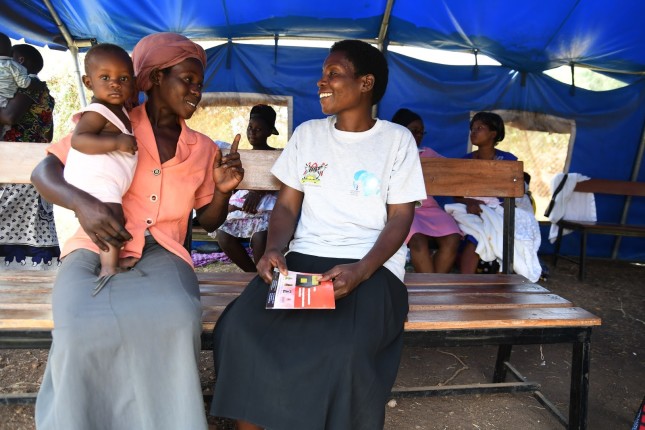
Savings Mothers, Giving Life Tackled Three Delays to Improve Maternal and Newborn Health
›“Saving Mothers, Giving Life has undeniably raised the bar in how we address maternal perinatal mortality,” said Dr. Florina Serbanescu, Team Lead of Global Reproductive Health Evidence for Action at the Centers for Disease Control and Prevention, for the launch of the Global Health: Science and Practice Supplement on Saving Mothers, Giving Life at a recent Wilson Center event. Saving Mothers, Giving Life (SMGL), is a public-private partnership created to reduce maternal and newborn mortality in sub-Saharan African countries. “The achievements show that what is often seen as an intractable problem,” said Serbanescu, “can be addressed with the right leadership, resources, and political will.”
-
The Global Care Tilt: Migrant Caregivers Flock to Wealthy Countries to Meet Rising Demand
›With rapidly aging populations and rising levels of female employment, the United States and other wealthy nations are facing unprecedented demands for non-familial care. These nations vary in their ability to address such demands. Those with more robust welfare states, including publicly supported, high-quality child care and elder care services and facilities, are generally able to meet growing needs for care, while those with weaker welfare states experience severe “care deficits,” leaving families with few alternatives. Increasingly, in the United States and elsewhere in the developed world, families are turning to migrants—usually women—to solve their care dilemmas.
-
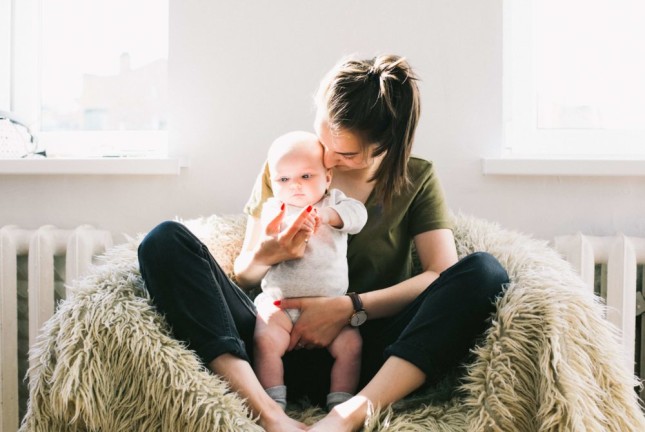
The Juggling Act of Caregiving: Balancing Career, Health, and Gender Roles (New Report)
›“Caregiving for the young, elderly, sick, and disabled is a necessary part of human existence, but is often undervalued and excluded from policy agendas.” –The Juggling Act of Caregiving: Balancing Career, Health, and Gender Roles
In The Juggling Act of Caregiving: Balancing Career, Health, and Gender Roles, Sarah B. Barnes, Project Director of the Maternal Health Initiative, describes the role of, the trends surrounding, and the challenges associated with caregiving in the United States.
-
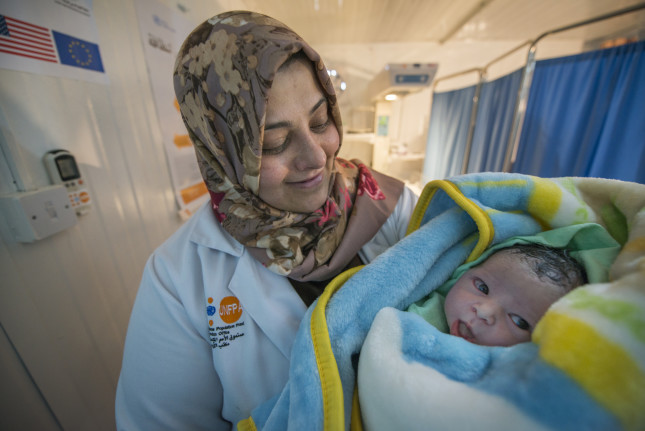
Where Life Begins: Reducing Risky Births in a Refugee Camp
›Zaatari camp, the largest Syrian refugee camp in the world, sits less than 12 kilometers away from the border between Syria and northern Jordan. Rows of houses disappear into the desert, making it hard to tell where the camp begins and ends. Metal containers pieced together like patchwork are home to around 80,000 refugees. The remnants of tattered UNHCR tents cover holes in the walls. Almost seven years after the camp opened, this dusty sea of tin roofs has evolved into a permanent settlement.
-
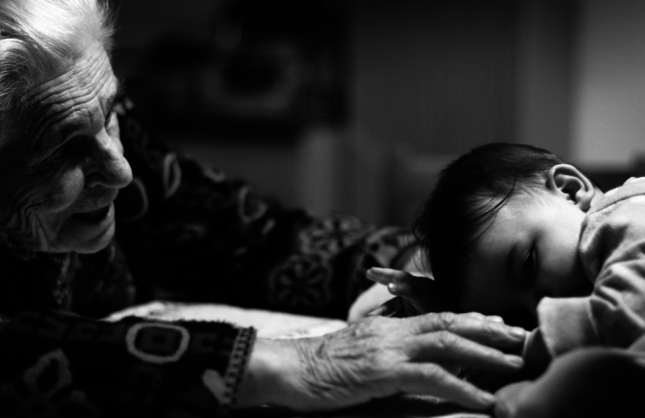
Why Caring Creates Problems — and What Government Can Do
›From the parents on whom you depended in the first days after you were born, to the nurses who’ll likely become an ever more frequent fixture of your final years, care — and caregivers — are integral to all of our lives.
-
Forging A New Path Toward Universal Sexual and Reproductive Health and Rights
›“The Guttmacher-Lancet Commission could not come at a better time,” said Patricia Da Silva, Associate Director of the International Planned Parenthood Federation United Nations Liaison Office. “It is indeed the call to action that is required; showing us that comprehensive sexual and reproductive rights must be ensured for all.” She spoke at a recent Wilson Center event on the work of the Guttmacher-Lancet Commission on Sexual and Reproductive Health and Rights (SRHR). The Commission, an international collaboration of 16 SRHR experts from Africa, Asia, Europe, the Middle East, and North and South America, recently published a report, Accelerate Progress—Sexual and Reproductive Health and Rights for All, which makes concrete recommendations for countries to address SRHR gaps and inequalities.
Showing posts from category global health.