-
Africa in Transition: Highlights from a Conversation on Investing in Youth for Economic Prosperity
›
Africa in Transition, a new series hosted by the Wilson Center and the Population Institute, explores the role of population trends—migration, urbanization, fertility, maternal mortality—in shaping sub-Saharan Africa’s chances for prosperity, health, and security. In this podcast, we share highlights from the first Africa in Transition event. Parfait Eloundou-Enyegue, Professor at Cornell University, starts the conversation by reminding us that “African countries are in the middle of multiple transitions that have the potential to create opportunities for prosperity, growth, and increased human capital, but also to create greater inequality. The challenge, therefore, is to build prosperity, but to do it for all.”
-
Healthy Women, Healthy Economies: A Look at Brazil (New Report)
›
“Globally, women face obstacles to entering, advancing in, and remaining in the workforce as a result of gender discrimination, harassment, and a lack of supportive, gender-sensitive policies.” – Healthy Women, Healthy Economies: A Look at Brazil
In Healthy Women, Healthy Economies: A Look at Brazil, Sarah B. Barnes, Project Director of the Maternal Health Initiative, and Elizabeth Wang, Maternal Health Initiative Intern, discuss the intersections of women’s health and well-being and their economic empowerment. The report also takes a look at current progress and remaining barriers to female participation in Brazil’s workforce.
-
International Aid, Local Capacity Building: Improving Community Health Through Partnerships
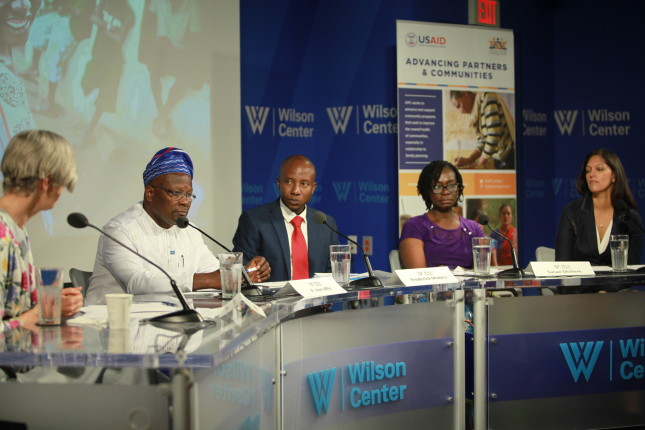
›Seeing the influx of international aid into Haiti following the 2010 earthquake, Dr. Florence Jean-Louis, Director of Human Development at Fonkoze, asked herself, “How can all this support, all this solidarity, stay in-country and have a real impact in the long-term?” She spoke at a recent Wilson Center event on the importance of community health systems to the sustainable development and stability of countries. The answer, she concluded, was to build the capacity of local organizations.
-
Attitudes, Hotspots, and Role Models: Promoting Family Planning in Rural Communities
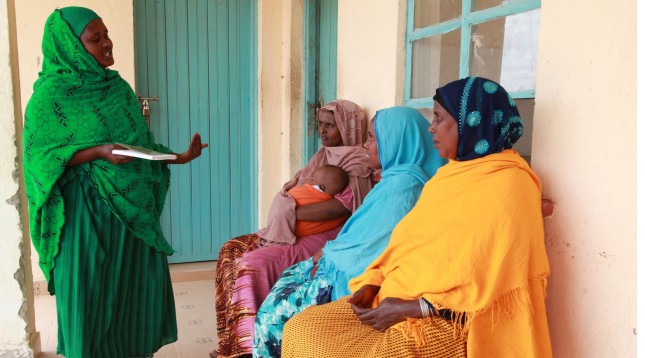
›“Strengthening community health is critical to expanding voluntary family planning,” said A. Jean Affo, Chief of Party at Advancing Partners & Communities (APC) Benin at a recent Wilson Center event on the importance of community health systems to the sustainable development and stability of countries. In Benin, around half of the population lives in rural areas with a lack of access to quality healthcare services and information. Traditional attitudes and gender norms prevent women and couples from utilizing family planning methods, said Affo. Combined with early marriage, inadequate family planning leaves women and girls vulnerable to health issues associated with inadequate timing and spacing between pregnancies.
-
The Path to Self-Reliance: Building Community Health
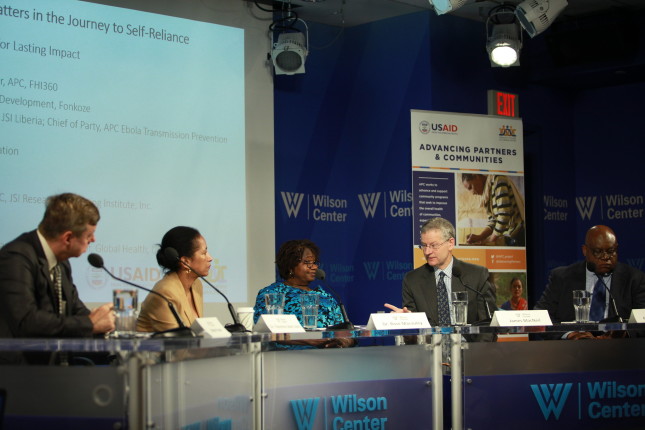
›“We recognize that what we’re talking about is a journey, but we also recognize that people have dreams for themselves and what this is about is helping them achieve those dreams,” said Ellen Starbird, Director of the Office of Population and Reproductive Health at USAID, at a recent Wilson Center event about the importance of community health systems, with a particular focus on voluntary family planning and infectious disease prevention. This two-panel event focused on how USAID’s Advancing Partners & Communities (APC) project worked together with communities and partners to strengthen health systems and to support countries on the journey to self-reliance said Starbird.
-
Without Migrants, Who Will Take Care of You?
›The ongoing crisis at our southern border is exacerbating another, less visible, one—the crisis in elder and childcare in the United States. With baby boomers aging and more parents of young children working outside the home, our country’s need for non-familial caregivers is skyrocketing. Carework is growing five times faster than any other sector in our economy; in fact, it is set to become the largest paid occupation in the U.S. by next year. While US citizens are not keen to take these jobs, migrants, especially women, are. But the current bottleneck—not just at the border but throughout our immigration system—is slowing down the flow of these vital workers.
-
Africa’s Future Workforce: Investing in Youth for Economic Prosperity and Equity
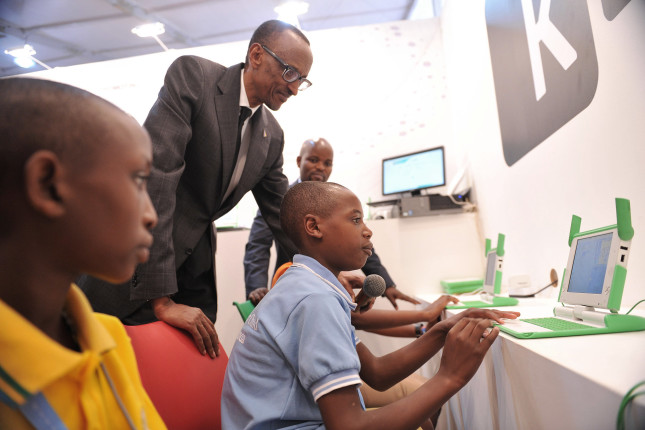
›“African countries are not in the middle of one transition, they are in the midst of several transitions,” said Parfait Eloundou-Enyegue, Professor and Chair of the Department of Development Sociology at Cornell University, at a recent Wilson Center event on demographic trends on the continent, and investing in youth to ensure economic prosperity. “All of these transitions are an opportunity for prosperity, an opportunity for growth, an opportunity to build human capital,” said Eloundou-Enyegue. However, demographic, cultural, political, and economic changes can also exacerbate existing inequalities between and within countries. The challenge is not only to build prosperity, but to do it for all, said Eloundou-Enyegue.
-
How Much Does It Cost to Save a Mother’s Life?
›Calls to action, strategy development, and multiple initiatives over the last decade have made clear how important it is to end preventable maternal and perinatal deaths. But we still don’t have a comprehensive understanding of how much saving these mothers and newborns, and preventing stillbirths will cost.
Showing posts from category global health.