-
Improve Biodiversity Conservation, Enhance Public Health and Food Security
›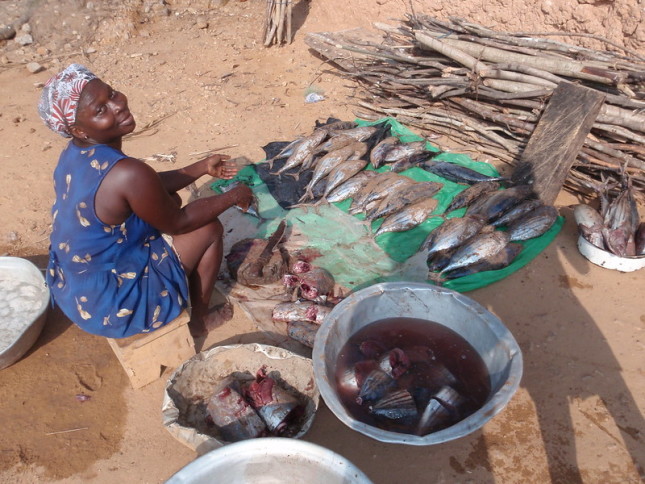
Our collective development objectives will not be achieved if they come at the expense of biodiversity and natural resource management, said Jeff Haeni, Acting Deputy Assistant Administrator in the Bureau for Economic Growth, Education, and Environment at USAID. He spoke at a recent Wilson Center virtual event, co-hosted with USAID, that explored the links between conservation and public health with examples from USAID’s BRIDGE project, which aims to build the evidence base for integrating biodiversity conservation considerations into policy discussions and decision-making across sectors. “The ability of societies around the world to develop and thrive is dependent on the health of the forests, fisheries, and natural systems around them,” he said.
-
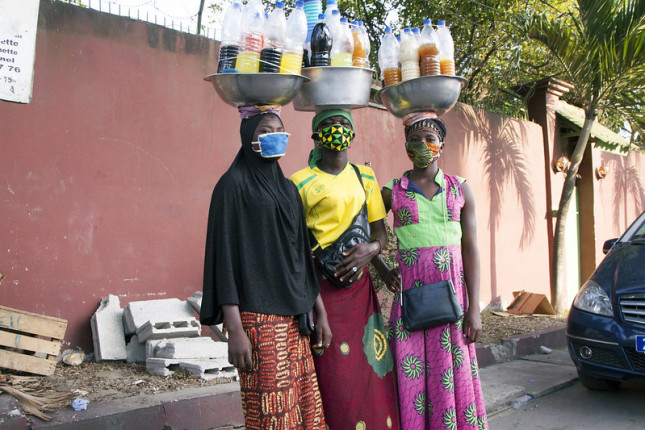
Urbanization in the Age of Pandemic
›
Late last year, what is thought to be a bat-associated coronavirus infected humans in Wuhan, a city of 11 million in China, possibly after a stopover in illegally traded pangolins—setting off a global pandemic. This kind of thing has happened before—with AIDS, SARS, and MERS, for example. Much remains unknown about the biology of COVID-19, which is alarmingly communicable by people with few or no symptoms. But an epidemic is only part biology. It is also driven by cultural factors, and urbanization is a crucial aspect. As sites of large gatherings and dense living conditions, cities offer the perfect settings for the spread of infection, yet their role seems to have often gone unremarked in discussions of the pandemic.
-
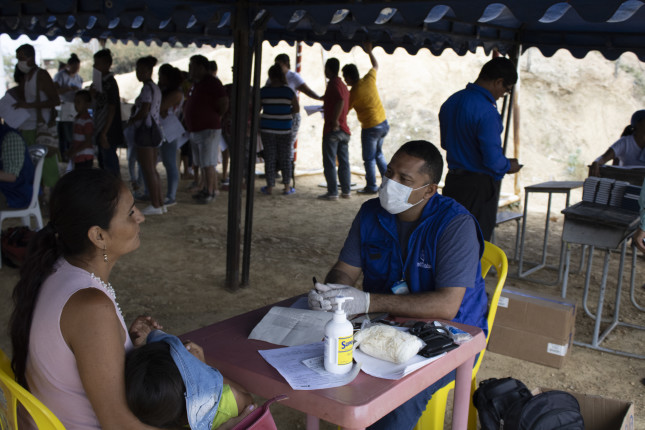
Humanitarian Challenge: Amping up Urban Response to COVID-19 in Central America
›On May 6, Médecins Sans Frontières (MSF) announced it had started to treat COVID-19 patients in Tijuana, in northwestern Mexico. Tijuana, which is on the border with San Diego, has the greatest number of cases in Mexico and one of the highest death rates.
“We will be providing support to health institutions [by] relieving the hospital burden in Tijuana,” said Maria Rodríguez Rado, MSF’s COVID-19 Emergency Response Coordinator in Mexico, according to the group’s website. “Through this support, we want to relieve the enormous workload of health workers who are responding to this pandemic and help alleviate the suffering of patients.”
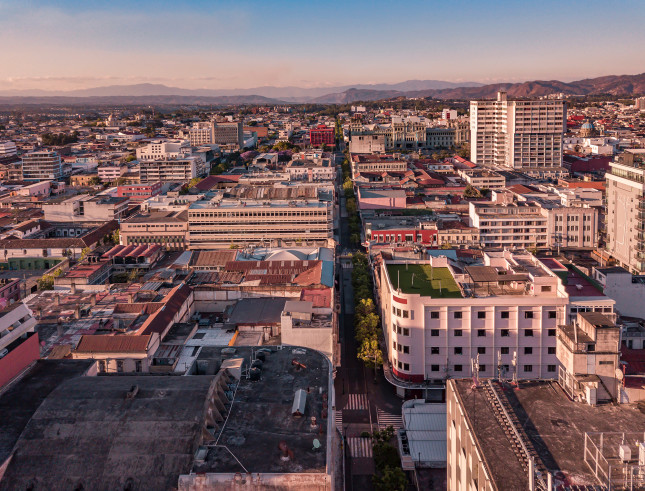
The move is welcome. Across Central America, megacities such as Guatemala City, Tegucigalpa in Honduras, and Managua in Nicaragua are vulnerable to the rapid spread of COVID-19.
-
Highlights from the First-Ever State of the World’s Nursing Report
›The year 2020 has been designated as the Year of the Nurse and the Midwife by the World Health Organization. In April 2020, the World Health Organization (WHO), International Council of Nurses, and Nursing Now, published the first-ever State of the World’s Nursing Report. This week’s Friday Podcast highlights remarks from a recent Wilson Center event on the report’s findings and recommendations, gender implications in the health workforce, and the role of nurses during the COVID-19 pandemic.
-
Strengthening our Health Systems Means Giving Voice to Women Leading the Nursing & Midwifery Professions
›Since the onset of the pandemic, nurses and midwives have been asked in some facilities to work without personal protective equipment. Nurses have been sent home and lost their jobs simply because they insisted on following evidence-based practices, such as wearing masks. Some question whether the masks, gloves, gowns, and other commodities in short supply are more important than nurses who question the ethics of showing up when essentials aren’t available.
-
COVID-19 Shines Spotlight on Race and Gender Inequities in Healthcare
›“While COVID-19 has wreaked havoc the world over, history has proven, and recent data agrees that the hardest hit will be the world’s women and girls and populations already impacted by racism and discrimination,” said Sarah Barnes, Project Director of the Maternal Health Initiative and Women and Gender Advisor at the Wilson Center, at a recent event on the impact of COVID-19 on race and gender inequities. Coronavirus has hurt women and girls in many ways. Among them, women have been pushed back into the home. And healthcare workers and caregivers who are mostly women are jeopardizing their own health, caring for others.
-
The COVID-19 Pandemic and Vulnerable Populations: A Wilson Center NOW Interview with James Hollifield
›Refugees and migrants are the most vulnerable and will bear the brunt of the Covid-19 pandemic, said James Hollifield, a Wilson Center Global Fellow, in a recent episode of Wilson NOW. These populations are often already at higher risk due to insufficient water and food supplies, and those confined in large camps are at greater risk of spreading the disease. According to Hollifield, although we have not yet seen the full extent of the damage, “we can see with both refugees and migrants in particular, especially seasonal migrants, that there’s a great danger here of the virus spreading like wildfire in the camps and in the dormitories.”
-
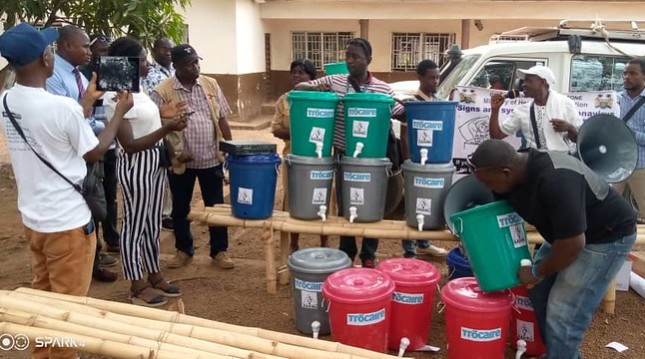
Water for the Most Vulnerable Could Help Stop Spread of Covid-19
›Development specialists are sounding the alarm. The pandemic will not be stopped unless we provide safe water to the world’s most vulnerable people, according to UN experts. Soap and clean water are part of the arsenal of weapons we can deploy on the frontlines of the battle to halt the virus’ spread. Yet Covid-19 continues to pose an unprecedented threat to more than 2 billion of the world’s poorest people who lack the access to safe water, sanitation, and health services (WASH) needed to protect them during infectious disease outbreaks, according to the World Health Organization.
Showing posts from category global health.