-
International Day of the Midwife: A Global Call to Action
›
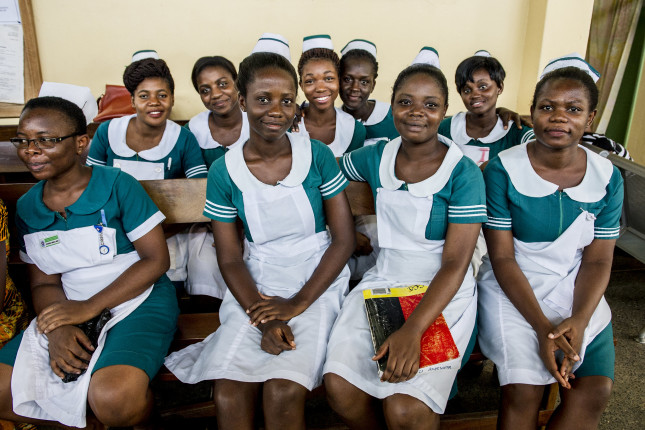
“Today is the International Day of the Midwife, a day when we come together as a global health community to celebrate midwives, and the commitment of the midwifery profession globally to saving lives and upholding the rights of women to a safe and positive birth,” write the authors of the Global Call to Action: Protecting Midwives to Sustain Care for Women, Newborns and their Families in the COVID-19 Pandemic. Midwives are essential to the health and protection of women and newborns. The World Health Organization (WHO) estimates that 83 percent of all maternal deaths, stillbirths, and newborn deaths could be averted with the full package of midwifery care.
-
Unpacking Covid-19 and the Connections Between Ecosystems, Human Health, and Security
› “What are the underlying drivers of risk that created the conditions for Covid-19 to emerge, and how do we better address them?” said Lauren Herzer Risi, Project Director for the Environmental Change and Security Program, in this week’s Friday Podcast, recorded during a recent Wilson Center Ground Truth Briefing on the Covid-19 pandemic. This question framed the discussion, which explored the intersection of the environment, public health, and national security. Although the global pandemic came as a shock to many, the novel coronavirus was not a surprise to epidemiologists and experts who had been sounding the alarm for decades. There have been clear signals of the risks we face from animal-to-human virus transmission, including Ebola, SARS, and other regional epidemics, said Risi. These zoonotic diseases, especially now, are creating concerns about food safety, wildlife conservation, and public health. But the risks don’t just come from wet markets and our increasingly connected world.
 -
First Ever State of the World’s Nursing Report: Unlocking the Gender Dimensions
›“The year is 2020 and it’s a year none of us will forget due to the Covid-19 pandemic,” said Sarah Barnes, Women and Gender Advisor and Project Director of the Maternal Health Initiative at the Wilson Center at a recent webcasted Wilson Center event. “The year 2020, as designated by the World Health Organization, is also the Year of the Nurse and the Midwife and was meant to be a year of celebration and much due recognition of these two incredible professions.” This month, the first ever State of the World’s Nursing report was published by the World Health Organization (WHO), International Council of Nurses, and Nursing Now.
-
Integrating Cervical Cancer Prevention into Comprehensive Women’s Health Care
›Cervical cancer affects 570,000 women a year and kills 311,000. Nine in 10 (88 percent) of the deaths occur in developing countries. This cancer is caused by a common sexually transmitted infection, human papilloma virus (HPV), but is also considered a non-communicable disease (NCD) because of the slower way it presents. Yet, the disease is one of the most preventable and treatable cancers, and cost-effective solutions exist to prevent the disease. Given strong overlaps between HIV and reproductive health, we can and should do more to stop cervical cancer.
-
Health Security is National Security
›In the last several weeks, editorials by former U.S. national security professionals, particularly in The Washington Post and Just Security, argued for the need to expand the definition of national security in light of the coronavirus. Such expansion, they assert, should include climate change and infectious diseases like the coronavirus. Their pleas call for greater emphasis on human security in the national security discourse.
-
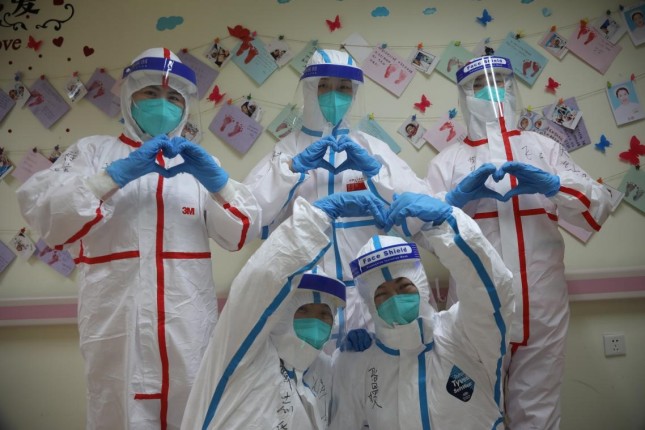
Gender, Masculinity, and COVID-19
›Gender is shaping the COVID-19 crisis in real and significant ways. Beyond the direct, visible practices that by now we all should understand—stay home, wash your hands, step back six feet—gender and its interactions with class, race, and immigrant status impact a number of dimensions of this crisis. From epidemiology to the vulnerabilities of front-line health workers, from the distribution of care work within families to the implications of quarantine for domestic violence, we need to reflect critically on these interactions to shape a truly effective policy response to this pandemic.
-
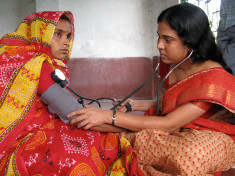
High Blood Pressure: Pregnant and Postpartum Women Face Hidden Danger
›CODE BLUE // Dot-Mom // Guest Contributor // April 23, 2020 // By Charlotte E. Warren & Pooja SripadOne-third of all maternal deaths can be traced to high blood pressure in pregnancy and in the weeks after giving birth. Yet many women don’t know how dangerous high blood pressure can be. And they may not realize they are at risk for many life-threatening conditions such as pre-eclampsia and eclampsia. Because high blood pressure can be asymptomatic, women with hypertension may not feel unwell or even know that their health is compromised.
-
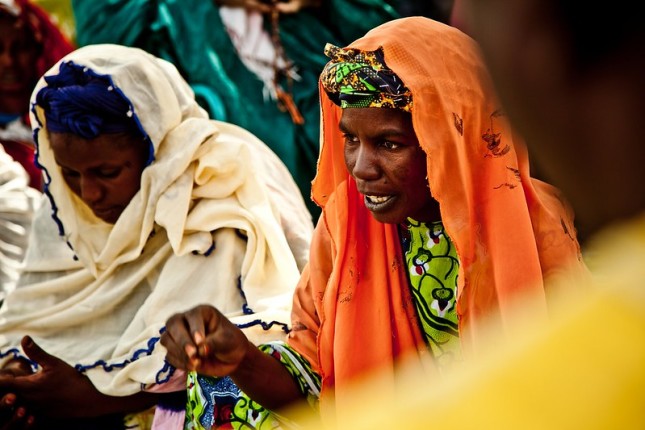
Investing in Girls and Women Could Set Stage for Peace, Development in Sahel
›The coronavirus pandemic has people throughout the world pondering how humankind should respond to a public health crisis. While individual countries are managing the crisis with varying degrees of success, we can all agree that the Covid-19 pandemic is commanding the international community’s attention. By contrast, it is much harder to get the world to care about the long-term public health crisis unfolding in the West African Sahel.
Showing posts from category global health.
 “What are the underlying drivers of risk that created the conditions for Covid-19 to emerge, and how do we better address them?” said Lauren Herzer Risi, Project Director for the Environmental Change and Security Program, in this week’s Friday Podcast, recorded during a recent Wilson Center