-
COVID-19 Could Have Devastating Effects on Adolescents’ Sexual and Reproductive Health and Rights
›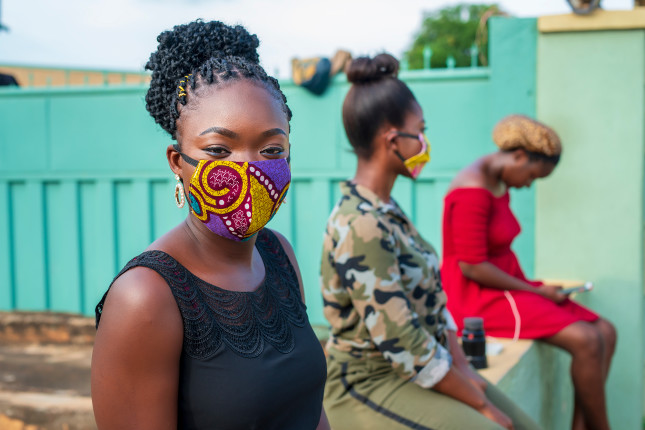
In just a single year, a 10 percent decrease in sexual and reproductive health services in low- and middle-income countries could lead to another 49 million women with unmet need for contraception, according to Guttmacher Institute estimates from April 2020. Other possible effects include another 15 million unintended pregnancies, another 28,000 maternal deaths and 168,000 newborn deaths due to untreated complications, and another 3 million unsafe abortions and 1,000 maternal deaths due to unsafe abortions. The implications are staggering in terms of unmet needs, unintended pregnancies, unsafe abortions, and maternal and newborn deaths in 132 countries that are home to more than 1.6 billion women of reproductive age (15–49 years).
-
COVID Crisis in India: Migrant Workers Exposed to Further Exploitation
›
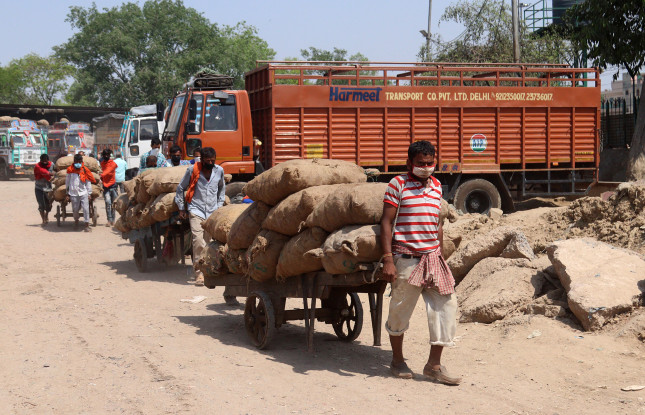
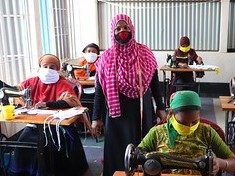
In India, COVID-19 has put the spotlight on migrant workers’ precarious working conditions. First, the sweeping lockdown left many workers jobless, forcing them to walk hundreds of kilometers to their native villages. Now, in a reaction to the coronavirus, states are loosening labor laws in a bid to get their economies up and running. As a consequence, migrant laborers have to work even more hours.
Punjab and Gujarat amended their Factories Act in April, increasing the work time to 72 hours every week. Rajasthan has upped working hours from 8 to 12 hours per day. Uttar Pradesh (UP) has exempted companies from almost all labor laws for the next three years. The relaxed UP laws relate to occupational safety, health, and working conditions, and those that pertain to contract workers and migrant laborers.
-
Pandemic Preparedness: Strengthening Family Planning Policies Today to Secure Essential Services for Tomorrow
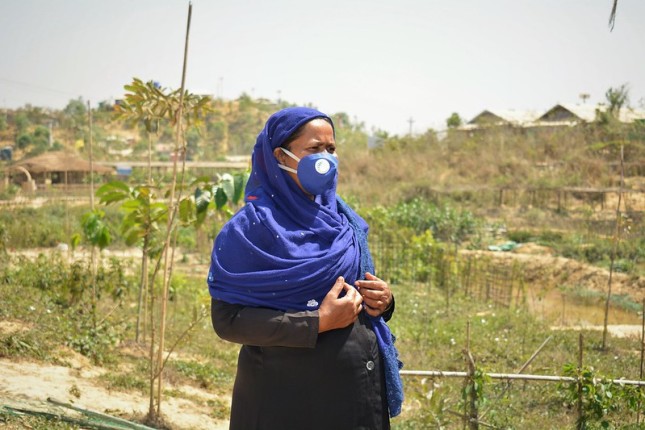
›With the arrival of COVID-19, countries are experiencing disruptions of health services of all kinds— health workers have been redeployed, supplies already in short stock are even more difficult to find, scarce financial resources for health are being reallocated, and routine health services are less, if at all, available. COVID-19 is causing facilities to lockdown in some settings, in part because many providers lack sufficient personal protective equipment (PPE) to safely provide services. At the same time, many clients—particularly those seeking family planning and reproductive health (FP/RH) services—cannot access services at all. This is due to a confluence of factors: police action is preventing movement; facilities are shutting their doors; many people are fearful of contracting the virus; in some cases, women are forbidden from leaving their homes by a partner.
-
The Unseen Side of Pregnancy: Non-Communicable Diseases and Maternal Health (New Report)
›Around the world, approximately 18 million women of reproductive age die each year because of non-communicable diseases (NCDs), and two in every three deaths among women are due to an NCD. In fact, NCDs have been the leading cause of death among women globally for at least the past 30 years. And yet, women’s specific needs are often excluded from conversations about NCDs. They are underrepresented in clinical research and the effect of NCDs on women in particular is rarely considered. NCD-related symptoms during pregnancy are commonly misinterpreted or dismissed by clinicians.
-
Utilities in Developing Countries, in Financial Tailspin, Try to Keep Water Flowing During Pandemic and Beyond
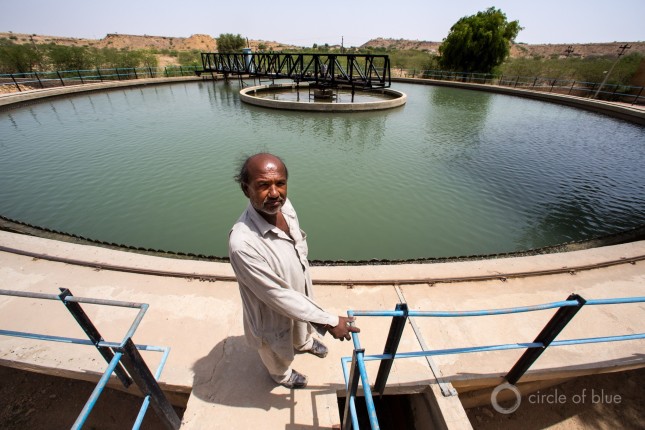
›The global coronavirus pandemic, now in its third month, is precipitating a financial crisis for water utilities in low- and middle-income countries as many of these service providers face drastic cuts in revenue and rising costs to respond to the public health emergency.
-
Highlights from COVID-19: Magnifying the World’s Inequities
›COVID-19 has wreaked havoc the world over, and recent data shows that the hardest hit will be the world’s women and girls and populations impacted by racism and discrimination. This week’s Friday Podcast highlights remarks from a recent Wilson Center event sponsored by EMD Serono, the biopharmaceutical business of Merck KGaA, Darmstadt, Germany in the United States and Canada, on the impact of COVID-19 on race and gender inequities. -
How to Think and Work Politically to Reach Biodiversity Conservation Goals
›“You might know what to do,” said Rachel Kleinfeld, a Senior Fellow for Democracy, Conflict, and Governance Program at the Carnegie Endowment for International Peace. “But if you don’t think about how to do it, your reform isn’t going to move forward.” She spoke at a recent Wilson Center virtual event on how to think and work politically while supporting biodiversity conservation goals. It may sound counterintuitive, she said, but undertaking what’s considered the best intervention may not be the best approach.
-
Population Age Structure: The Hidden Factor in COVID-19 Mortality
›Until several months ago, demographers regarded a youthful age structure as an unequivocally detrimental demographic characteristic. Where more than half of the population is younger than age 25, countries are unable to attain high levels of economic and human capital development and face an increased risk of some forms of civil conflict. Yet, so far, during the ongoing pre-vaccine stage of the COVID-19 pandemic, the most age-structurally mature countries have been hardest hit by the disease. These countries are generally urbanized, wealthy, well-educated, and include a large proportion of seniors. And, somewhat surprisingly—despite being equipped with advanced medical technologies—these countries are experiencing the highest rates of mortality from complications related to COVID-19.
Showing posts from category global health.
 COVID-19 has wreaked havoc the world over, and recent data shows that the hardest hit will be the world’s women and girls and populations impacted by racism and discrimination. This week’s Friday Podcast highlights remarks from a recent Wilson Center