-
Midwives in Humanitarian Crises Need Recognition and Investment
›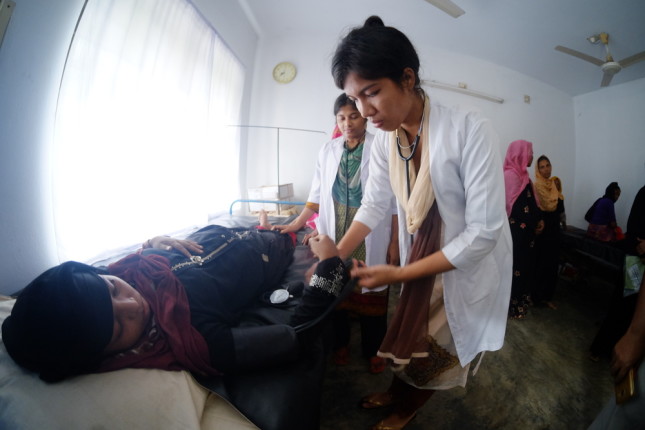
More than 60 percent of preventable maternal deaths and 45 percent of newborn deaths take place in countries affected by recent conflict, natural disaster, or both. Yet as Sarah B. Barnes, Project Director of the Maternal Health Initiative, observed at a recent event hosted by the Wilson Center and UNFPA, in collaboration with the Inter-agency Working Group on Reproductive Health in Crisis (IAWG) and White Ribbon Alliance, “the leading causes of both maternal and newborn death occurring in humanitarian settings are considered to be preventable if managed by skilled providers and adequate resources.”
-
World Population Day Shines a Spotlight on Inequities
›
July 11 is World Population Day—a day designated annually by the United Nations that should prompt us, in the words of the International Institute for Sustainable Development, to “focus attention on the urgency and importance of population issues.”
Examining population trends helps describe where we’ve been and suggests where we’re headed. Yet these facts about human existence on our planet also offer insights into how we got here—including a window into places where inequities exist and rights have been denied.
-
Preventing the Next Pandemic: Scaling Laboratory Operations in Developing Countries
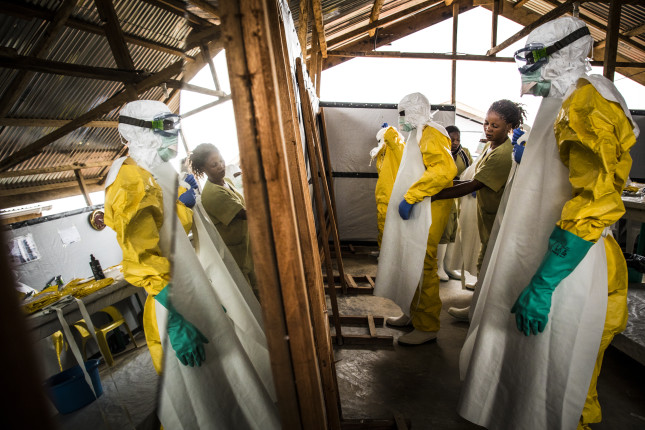
›In 1976, a Belgian Catholic mission and hospital in what is now the Democratic Republic of the Congo (DRC) was stricken with a mysterious illness that caused fever-like symptoms. Most of the patients who contracted the illness died. A young microbiologist named Jean-Jacques Muyembe Tamfum was called to the mission, where he extracted blood samples from those who had fallen ill. The DRC did not have a functional research laboratory at the time, so Muyembe had to send his samples to Belgium for analysis. The results that came back revealed that they contained a new deadly virus: what the world came to know as Ebola, named after a river near the mission.
-
Sustainable Partnerships: A Future for Maternal, Child Health, and Family Planning
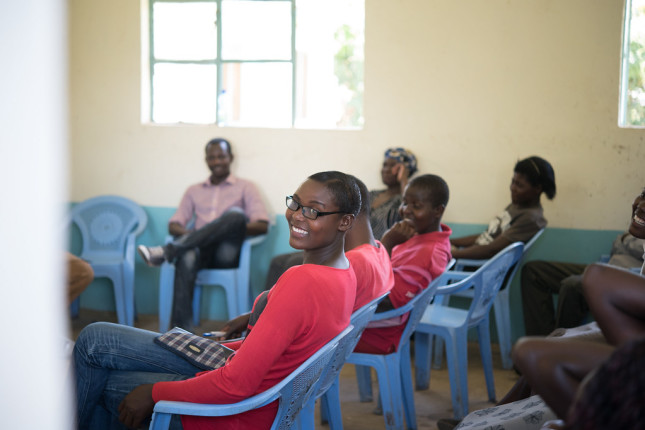
›“Building strong and inclusive partnerships for maternal, newborn, child health, and family planning programs is not future work,” said Dr. Koki Agarwal, Director of USAID’s MOMENTUM Country and Global Leadership at a recent Wilson Center event. “It’s urgent and it’s ‘right now’ work.”
This exploration of country perspectives and expertise on improving maternal, newborn, child, and adolescent health and family planning programs was the third event in a series that placed regional experiences and voices in the foreground.
-
Top 5 Posts for May 2022
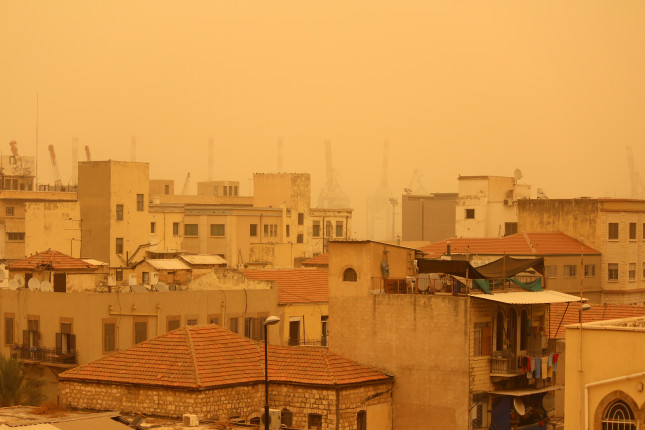
›In Iraq, climate change is adding stress to an already precarious situation. Weak public services, growing unemployment, fossil fuel-related environmental and health hazards, and other factors have generated high levels of social vulnerability and contributed to recent protests. In the top post for May, Dylan O’Driscoll and Shivan Fazil write about how, against this fragile backdrop, insecurity is heightened by increasingly deadly flash floods and more frequent dust storms that pose a public health threat.
-
The Safe Delivery App Puts Better Maternal and Newborn Outcomes in the Palms of Health Workers’ Hands
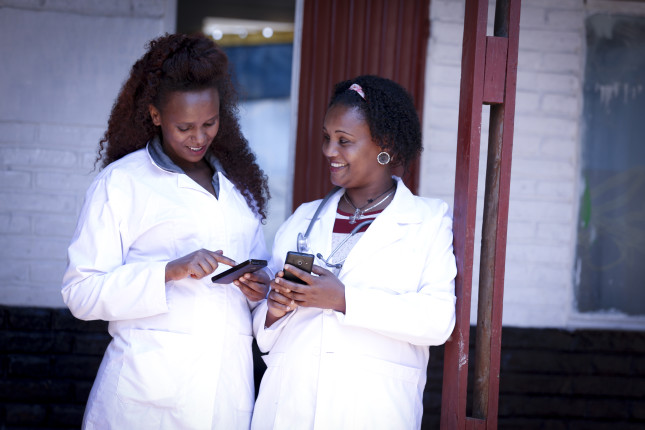
›Reducing maternal mortality is key to promoting population health. It is also a main priority of the UN General Assembly’s Sustainable Development Goals. And the reasons for concern are clear. Globally, 800 women and 6,500 infants die during pregnancy and birth every day. More than 94 percent of these deaths occur in low-and-middle-income countries (LMICs).
-
Chaos Continues: The Impact of the Revocation of the Global Gag Rule
›Many researchers have documented the impact of the Global Gag Rule (GGR) around the world—and what happens when the policy is in place. “But we don’t know enough about what happens when the policy is revoked,” said Bergen Cooper, Director of Policy Research at Fòs Feminista at the launch of the organization’s new report, Chaos Continues: The 2021 Revocation of the Global Gag Rule and The Need for Permanent Repeal.
-
Silencing the Stigma of Menstruation
›Every month, young women and girls in the villages of Nepal make their way into makeshift huts where they will reside for the week until their menstruation has finished. Some of them will turn to nearby sheds whereas others will travel through dense forests to reach these huts. Venomous snake bites, asphyxiation, and rape are just a few of the harsh realities of living in these poorly ventilated and weakly protected menstrual huts. This practice of self-isolation called “chhaupadi” is an ancient tradition of “untouchability” rooted in the belief that menstruation is sinful and impure. Considered bringers of misfortune, menstruating girls and women are forbidden from taking part in any household, religious, and social activities under this tradition, forcing them to distance themselves from their family and community during this time. Although chhaupadi seems like an extreme case or isolated custom, it actually represents a common global issue—menstrual stigma.
Showing posts from category global health.