-
Flint Offers Lessons on How Citizen Collaboration Can Hold Governments Accountable
›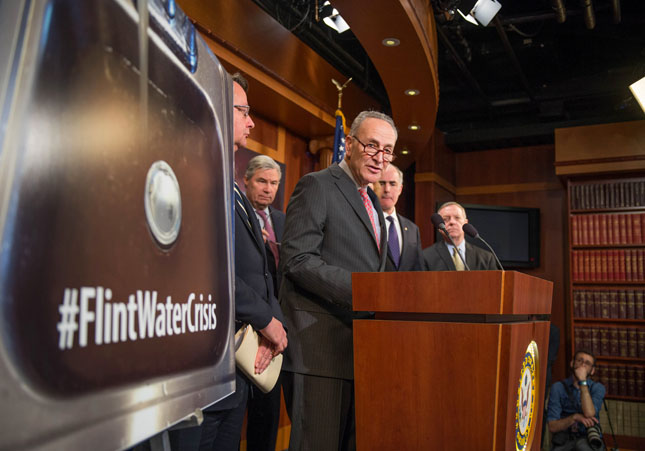
A couple of weeks ago, the task force Michigan governor Rick Snyder appointed to investigate Flint’s now infamous water crisis issued its long-awaited report.
-
Can Citizen Science Help Small Communities Combat Big Fishing Fleets?
›This Earth Day weekend, the U.S. Department of State is hosting more than 2,000 coders in more than 40 cities to encourage creative thinking about technological solutions to ocean issues. The third annual Fishackathon could produce new tools for local communities to track long-distance fishing, a growing problem in some places, as China, in particular, scales up its efforts.
-
Changing the Narrative on Fertility Decline in Africa
›
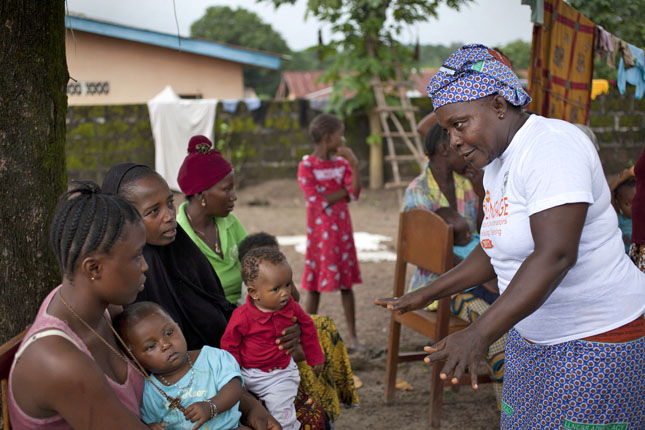
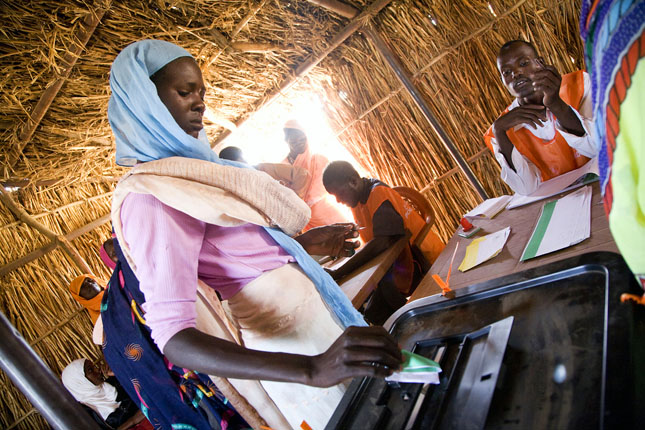
Today, Africa has the world’s highest fertility rates. On average, women in sub-Saharan Africa have about five children over their reproductive lifetime, compared to a global average of 2.5 children. Research shows that the “demographic transition,” the name for the change from high death and fertility rates to lower death and eventually lower fertility rates, has proceeded differently here from other regions in the developing world.
-
Turning the Impending Mosul Dam Disaster Into Opportunity
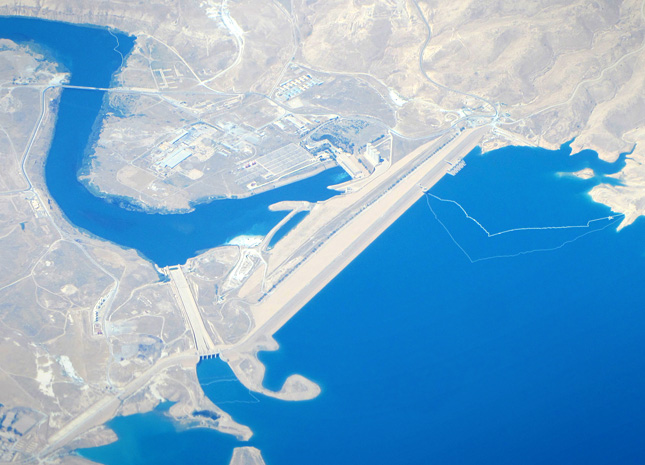
›Iraq has seen its share of calamities in recent years, but none is as dangerous as the impending failure of the Mosul Dam. A breach of the dam will result in a tsunami-like wave that sweeps through cities and hamlets along the Tigris River from Mosul to as far south as Amarah and even Basra. Baghdad would be submerged under five meters of water within four days. Not only do experts estimate the possible fatalities to range from 500,000 to more than 1 million, but consider the logistics of trying to provide electricity, drinking water, food, hospitals, transportation, and diesel for millions of people.
-
Breaking the Fragility Trap: What Role for the World Bank?
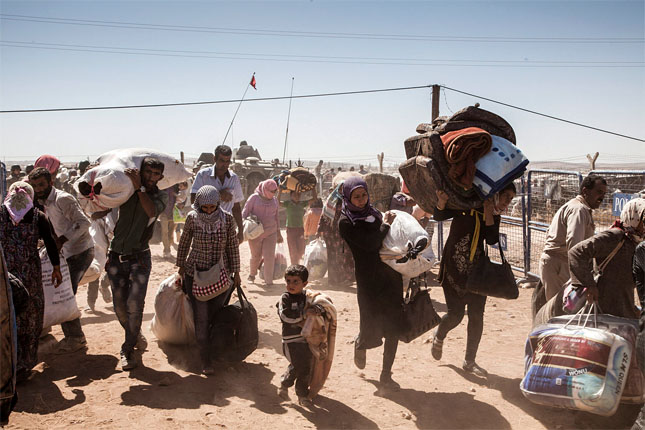
›Last month, the World Bank’s Fragility Forum in Washington, DC, brought together some 600 participants to discuss how to advance sustainable development in the context of increasing conflicts and violence. World Bank President Jim Yong Kim opened the forum by emphasizing that we are at a critical moment.
-
Tracking China’s “Foul and Filthy” Rivers With Citizen Science
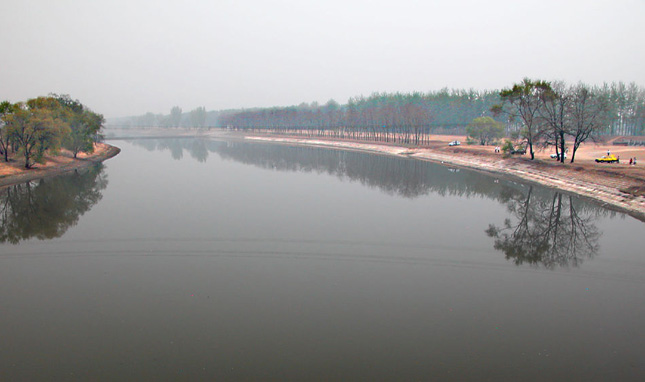
›Blackened rivers snake the ring roads of Beijing, carrying pollution and often smelly water from one end of the city to another. The most polluted of these have been dubbed “foul and filthy” rivers (黑臭河) by China’s Ministry of the Environment (MEP) and Ministry of Housing and Urban-Rural Development (MOHURD). However, the government has decided to clean these up – and is enlisting the help of the public to do so.
-
Myanmar’s Democratic Deficit: Demography and the Rohingya Dilemma
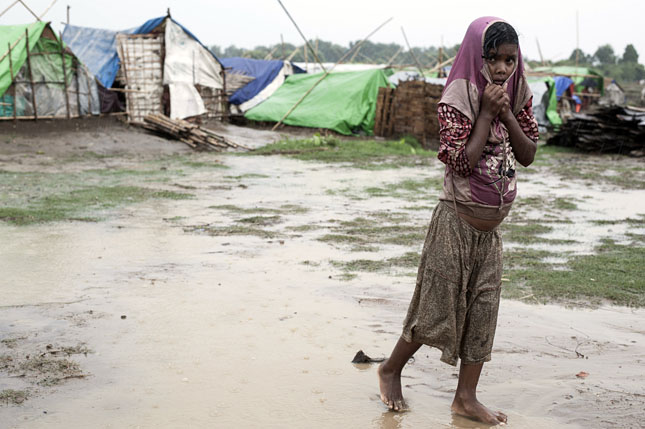
›According to political demographers, who study the relationship between population dynamics and politics, two characteristics when observed together provide a rather good indication that a state is about to shed its authoritarian regime, rise to a high level of democracy, and stay there. Myanmar has both.
-
Can Better Data Lead to More Women in Environmental Leadership Positions?
›The saying goes, what hasn’t been counted doesn’t count. Our latest datasets for the Environment and Gender Information (EGI) platform are proving this true.
Showing posts from category featured.